

President Designates Oval Office as National Monument via Executive Proclamation
President Trump has designated the Oval Office a national monument to restrict future structural changes, though the order remains subject to reversal by…
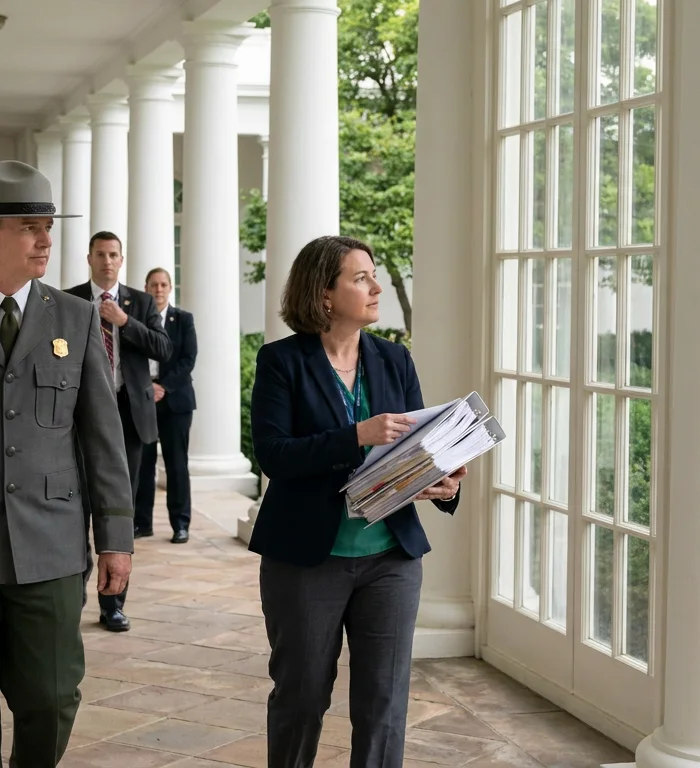
President Donald Trump has signed an executive proclamation designating the Oval Office, the Cabinet Room, and the Outer Oval Office as a national monument. The order mandates that the Department of the Interior and Park Service oversee the spaces, requiring formal documentation and review processes before any future structural alterations or demolition can occur.
This administrative action follows midterm election results that will shift control of Congress to the Democratic Party in January. The proclamation is framed as a measure to preserve the architectural integrity of the West Wing spaces, which have undergone significant redesigns during the current administration. While the order imposes procedural hurdles for future modifications, it explicitly preserves the authority of subsequent presidents to alter interior decor, furnishings, and aesthetic styling.
President Donald Trump
Legal precedent suggests that this designation remains vulnerable to reversal. Executive proclamations of this nature can be revoked or modified by a successor through subsequent executive action, a mechanism previously utilized by the current administration regarding other national monuments. The move coincides with a broader series of infrastructure and renovation initiatives undertaken by the administration, including a nearly $1 billion ballroom project and various grounds modifications, which have faced ongoing legal challenges and criticism regarding administrative oversight and public spending.
Institutional risk remains centered on the potential for future litigation regarding the scope of executive authority over federal property. Critics and opposition lawmakers have previously challenged the administration’s construction projects on the grounds of insufficient regulatory approval and fiscal mismanagement. As the administration enters its final phase, the designation serves as a formal attempt to codify specific physical changes to the White House, though its long-term permanence is contingent upon the policy priorities of the incoming administration.
More stories
- FCC approves prison cellphone jamming despite 2.5-mile warning
- Congress tests Black Democrats' growing policy influence
- Cotton faults Lutnick over AI chips allegedly sent to China
- Vance declines to back Iran strikes as Trump defends war
- Paul seeks 20%-30% federal credit for U.S. film shoots
- Trump targets data centers abroad with tax threat to firms
- 2026 midterms squeeze GOP margins across deep red states
- Democrats win Congress as household costs test new power
- Trump faces housing bill deadline after bipartisan vote
- Andy Burnham edges toward premiership as rivals fade away
Latest news
- Trump prepares tariffs on China and other major exporters
- New-car buyers pay record average $50,087 in October
- Banks face ECB reserve debate over liquidity and profits
- Investors see Anthropic debut gains fade below $83 a share
- Iraq orders federal control over Kurdish-area oilfields
- Germans oppose Ukraine aid as poll shows support slipping
- Kim Jong-un receives 10 envoys after constitutional shift
- Ukraine claims Libya strike sinks Russian naval corvette