

Kim Jong-un receives 10 envoys after constitutional shift
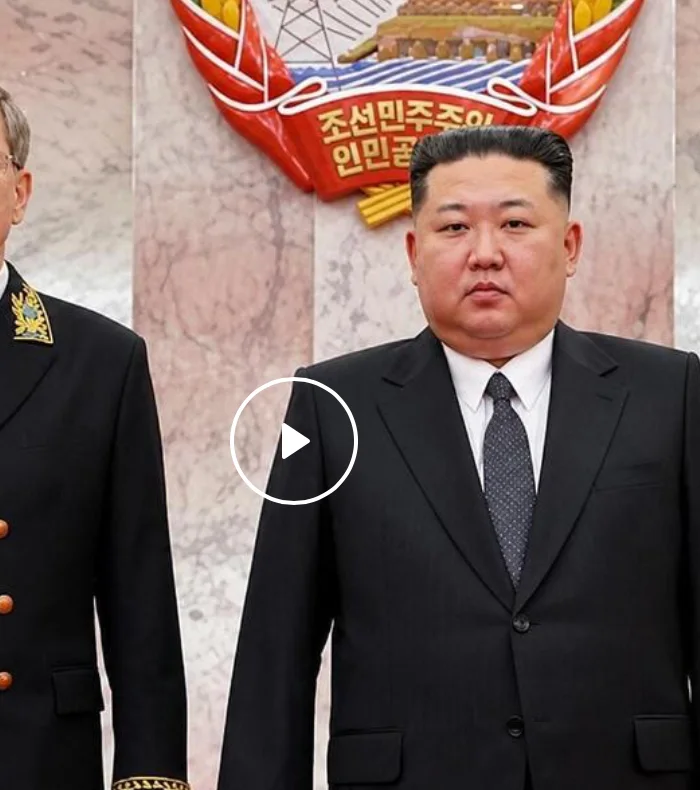
Kim Jong-un accepted credentials from 10 ambassadors in Pyongyang on Sunday, assuming a diplomatic duty reassigned under a constitutional change.
The ceremony brought foreign representatives directly before Kim for a formal task previously assigned to another office. According to the account of the event, it was the first time in more than three decades that the country's leader had personally performed that duty.
A constitutional change reaches diplomatic practice
A March 2026 constitutional amendment placed responsibility for accepting diplomatic credentials with the chairman of the State Affairs Commission, the office Kim holds, according to the supplied account. Sunday's proceedings put that reassignment into practice, bringing the reception of incoming ambassadors within his formal responsibilities.
Kim Il Sung, the country's founder, had undertaken the task himself. During the leadership of Kim Jong Il and subsequently Kim, however, ambassadors ordinarily submitted their credentials to the chairman of the Standing Committee of the Supreme People's Assembly, according to the account.
The change concerns who formally receives foreign envoys, rather than the establishment of new diplomatic relationships. The material identifies the participants as newly appointed ambassadors; it does not describe the ceremony as the opening of ties with their countries.
Ten ambassadors gather at party headquarters
The venue was the Central Committee headquarters of the Workers' Party of Korea. Footage described in the account showed Kim taking the credentials, joining the ambassadors for photographs and delivering remarks, with Foreign Minister Choe Son Hui present.
The delegation included representatives of Russia, Sweden, Brazil and the Czech Republic, alongside ambassadors from Indonesia, Vietnam, India, the Philippines, Thailand and Bangladesh. The attendance brought diplomats from Europe, Asia and South America into the same reception, rather than limiting the event to a single bilateral relationship.
Andrey Podyelyshev, Russia's incoming ambassador, was among those presenting his documents. His participation came against a backdrop of closer political and military relations between Moscow and Pyongyang, as described in the account, although no new bilateral agreement was reported at the ceremony.
Kim pairs diplomacy with military justification
In his address to the ambassadors, Kim rejected the idea that his country sought dominance or territorial enlargement. "The DPRK neither pursues supremacy nor expansion," Kim said, while presenting the country's military development as necessary for national defense.
That explanation was Kim's characterization of the buildup, not an independently established assessment of its purpose. His remarks placed a declaration of limited external ambitions alongside an assertion that stronger military capabilities were needed to safeguard sovereignty and security.
The event therefore combined a documented procedural change with a statement of foreign-policy intent. It did not, on the information provided, establish a change in military policy or attach a specific security commitment to Kim's assurances.
If future credential ceremonies follow this arrangement, incoming ambassadors would continue presenting their documents to Kim rather than the parliamentary standing committee chairman. Whether that direct ceremonial access develops into more substantive diplomatic engagement remains unresolved; the account includes no subsequent negotiating timetable or announced follow-up meetings.
More stories
- Germans oppose Ukraine aid as poll shows support slipping
- Ukraine claims Libya strike sinks Russian naval corvette
- COP31 climate talks collapse over fossil fuels and funds
- Russian military faces 1,087 recorded suicides in Ukraine war
- US faces China, Russia in Africa minerals contest
- Russian war deaths top 460,000, Guardian says
- Arab-led parties win record 19 seats in Israel vote
- Burnham faces Brexit test over 55% EU return support