

Germans oppose Ukraine aid as poll shows support slipping
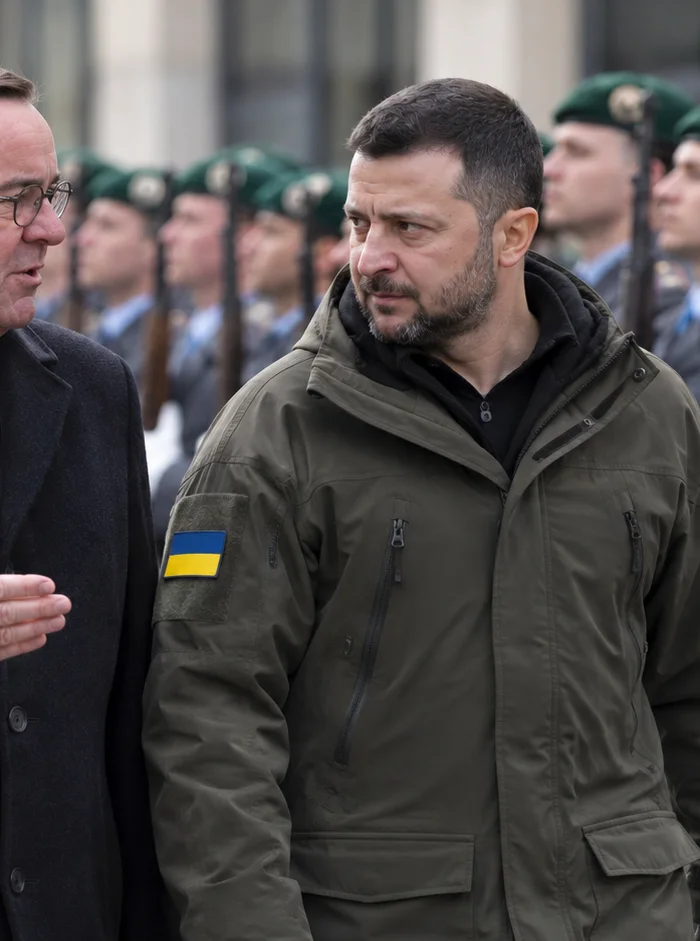
Germans opposing Ukraine aid reach 53%, up from 39% a year earlier, a Koerber Stiftung survey shows, contrasting with Berlin's support.
The findings, released on November 24, 2026, put Chancellor Friedrich Merz's commitment to continued assistance alongside a changed domestic consensus. Support for military assistance stood at 46%, compared with 59% in the previous year's survey, according to the nonprofit organization.
German support reverses within a year
The results show opposition ahead of support by seven percentage points, reversing the previous year's 20-point advantage for assistance. Opposition increased by 14 percentage points, while support declined by 13 points, based on Koerber Stiftung's figures.
Respondents also expressed reservations about a broader German security role: 64% opposed the country assuming military leadership within Europe. That finding concerns a different policy question from weapons assistance, but places the Ukraine result alongside wider resistance to military responsibilities.
On engagement in international crises, 48% favored greater German restraint, against 40% who wanted more involvement, the organization reported. Separately, 61% wanted stronger efforts by Germany and Europe to encourage negotiations between Russia and Ukraine.
Those results do not establish that respondents view diplomacy and weapons deliveries as mutually exclusive. Without a breakdown showing how individuals answered each question, support for negotiations cannot automatically be read as opposition to military assistance.
Wadephul defends Berlin's security commitment
Merz's government and allied governments have committed to maintaining support for Ukraine without setting an end date. The survey measures public attitudes rather than a change in that commitment; no decision to reduce German assistance was identified in the supplied account.
German Foreign Minister Johann Wadephul, speaking at a Berlin event organized by Koerber Stiftung, described backing Ukraine as a "litmus test" for the emerging international order. He presented assistance as a defense of European security, freedom and the rule of law, rather than solely support for Ukraine.
The domestic political divide also includes Alternative for Germany (AfD), which opposes assistance to Ukraine and advocates renewed relations with Moscow. Its position offers a policy alternative to the government's commitment, although the survey figures do not establish respondents' party preferences.
The findings arrive as Russia's full-scale war against Ukraine approaches its fifth anniversary. They document a change in attitudes over the previous year, but do not establish what caused that change or whether it will persist.
Diplomacy and deliveries remain separate decisions
If Berlin maintains military assistance while pursuing additional diplomatic initiatives, both policies could coexist without a reduction in deliveries. The survey's separate questions leave open whether that combination would satisfy respondents seeking greater efforts toward negotiations.
If public opposition instead translates into restrictions on assistance, the consequences for Ukraine would depend on which commitments changed and whether other allies replaced them. Neither the timing nor the scale of any such adjustment can be inferred from an opinion survey.
The immediate distinction is between declining public support and unchanged government commitments. Decisions on future assistance, together with any concrete negotiating initiative, would establish whether the shift in opinion is accompanied by a shift in policy.
More stories
- Kim Jong-un receives 10 envoys after constitutional shift
- Ukraine claims Libya strike sinks Russian naval corvette
- COP31 climate talks collapse over fossil fuels and funds
- Russian military faces 1,087 recorded suicides in Ukraine war
- US faces China, Russia in Africa minerals contest
- Russian war deaths top 460,000, Guardian says
- Airlines face bomb threats as Europe orders plane checks
- Ukraine rescuers search shelter after 31 reported deaths