

SpaceX Mobile Market Entry Faces Increased Regulatory and Legislative Scrutiny
SpaceX’s entry into the mobile market faces significant legislative and regulatory hurdles following the 2026 midterm elections, with lawmakers signaling…
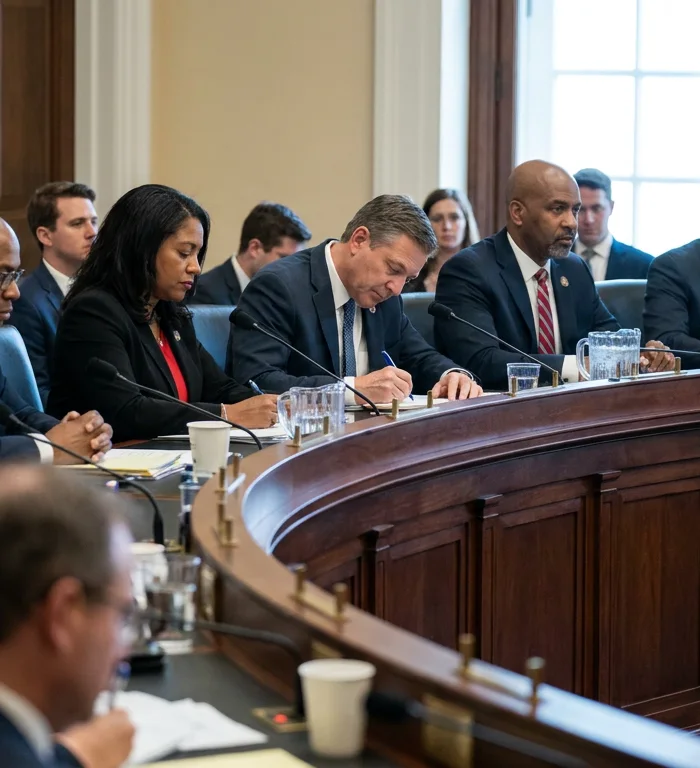
SpaceX’s strategic expansion into the mobile telecommunications sector faces heightened regulatory and political headwinds following the 2026 midterm election results. The company’s recent acquisition of an 800 MHz spectrum portfolio and a partnership with Qualcomm to develop base station infrastructure were intended to facilitate a market entry. However, these operational advancements are now subject to potential legislative intervention by a Democratic-controlled Congress.
Lawmakers have signaled an intent to initiate investigations into the company’s federal contract portfolio and existing subsidies. Concerns regarding potential conflicts of interest are central to this scrutiny, particularly regarding the company’s leadership role in the Department of Government Efficiency. Legislative oversight is expected to focus on the access to sensitive government data and the broader implications of the company’s influence on federal procurement processes.
Critics have explicitly called for the Federal Communications
Specific regulatory challenges are anticipated regarding the approval of wireless spectrum licenses. Previous congressional warnings have highlighted concerns that further expansion of satellite communication capacity could create an anti-competitive environment. Critics have explicitly called for the Federal Communications Commission and the Department of Justice to conduct rigorous, independent reviews of any pending spectrum acquisitions or market expansion efforts.
Furthermore, the company’s political involvement during the election cycle has prompted calls for a comprehensive review of its government relations. Lawmakers have cited concerns over the company’s operational decisions in international conflicts and its proximity to previous administration officials as grounds for increased oversight. These factors suggest that the path to securing necessary regulatory approvals for a mobile carrier division will likely involve prolonged administrative delays and heightened transparency requirements.
More stories
- FCC approves prison cellphone jamming despite 2.5-mile warning
- Congress tests Black Democrats' growing policy influence
- Cotton faults Lutnick over AI chips allegedly sent to China
- Vance declines to back Iran strikes as Trump defends war
- Paul seeks 20%-30% federal credit for U.S. film shoots
- Trump targets data centers abroad with tax threat to firms
- 2026 midterms squeeze GOP margins across deep red states
- Democrats win Congress as household costs test new power
- FDA nominee Overton faces Senate fight over vaccine role
- White House access restored for journalists in Trump case
Latest news
- Trump prepares tariffs on China and other major exporters
- New-car buyers pay record average $50,087 in October
- Banks face ECB reserve debate over liquidity and profits
- Investors see Anthropic debut gains fade below $83 a share
- Iraq orders federal control over Kurdish-area oilfields
- Germans oppose Ukraine aid as poll shows support slipping
- Kim Jong-un receives 10 envoys after constitutional shift
- Ukraine claims Libya strike sinks Russian naval corvette