FDA nominee Overton faces Senate fight over vaccine role
FDA nominee Heidi Overton faces a Senate hearing Thursday as vaccine policy, management experience and agency turmoil complicate her confirmation path.
Atlas Newsdesk ·
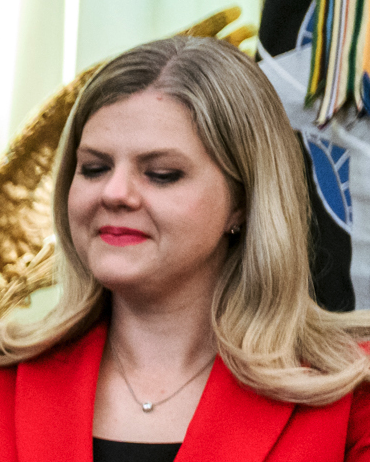
FDA nominee Heidi Overton faces Senate questioning Thursday over her vaccine role and experience at an agency touching one-fifth of US consumer spending.
The hearing before the Senate Health, Education, Labor and Pensions Committee puts Overton before a panel chaired by Sen. Bill Cassidy, a Louisiana Republican who has already criticized her nomination. Her confirmation path is uncertain after Cassidy singled out her work on President Trump's recent vaccine executive order.
Cassidy targets vaccine order
Overton serves as a deputy assistant to the president for domestic policy at the White House, where she works on health issues. She has appeared with President Donald Trump at announcements covering vaccine policy, drug pricing and access to psychedelic treatments.
The most sensitive issue is the administration's executive order seeking to separate the combined measles, mumps and rubella vaccine into individual shots. Cassidy has questioned Overton's role in that order, a position that matters because he controls the committee hearing and can shape the pace of the nomination.
In an August social media post, Cassidy said Overton's actions call “into question her commitment to standing up for sound science and protecting children's health.” He added: “That alone is almost disqualifying.”
Those comments frame the hearing around science standards as much as personnel fitness. Senators are also expected to press Overton on whether her White House policy role has prepared her to manage one of the federal government's most consequential health agencies.
FDA turnover shadows nomination
The Food and Drug Administration regulates products ranging from vaccines and medicines to food, a portfolio that accounts for roughly one-fifth of US consumer spending. That scale gives the commissioner influence over household health costs, biotech investment and the timing of medical-product approvals.
The agency has also been unsettled for months. Marty Makary resigned as commissioner after 13 months, following clashes with staff and pushback from biotech companies during his tenure.
Kyle Diamantas, an attorney who led the FDA's food division and served as a senior adviser to Health Secretary Robert F. Kennedy Jr., is running the agency on an acting basis. That temporary structure leaves the FDA with limited confirmed leadership while politically sensitive vaccine and drug-pricing questions remain active.
Overton's supporters can argue that her proximity to the White House gives her a direct line into the administration's health agenda. Her critics can point to the same fact as a risk if senators conclude that political direction would outweigh the agency's scientific review process.
Biotech waits on FDA leadership
For drugmakers and biotech companies, the nomination is not only a Washington personnel fight. FDA leadership affects review timelines, labeling decisions and the regulatory signals that shape research spending.
If Overton is confirmed with clear Senate backing, the FDA would have a politically aligned commissioner able to carry out President Trump's health priorities. For the broader economy, the main channel would be health-product regulation inside a large consumer-spending category; for the FDA, it would mean firmer leadership; for the industry, it could clarify how vaccine and drug-pricing policy will be handled.
If the nomination stalls, Diamantas would remain the acting leader while the White House decides whether to keep pressing Overton or shift to another nominee. That path would extend uncertainty at the agency, leave companies reading policy direction through interim decisions and keep vaccine oversight at the center of the Senate's health agenda.
If senators use the hearing to demand commitments on scientific review and children's health, Overton's answers may determine whether skepticism hardens or recedes. The open question is whether she can separate her White House policy work from the FDA's regulatory role in a way that satisfies Cassidy and enough of the committee to move her nomination forward.