White House media ban tests due process at hearing Wednesday
A federal judge weighed whether President Trump's White House media ban violated due process and First Amendment protections after three outlets lost access.
Lauren Collins ·
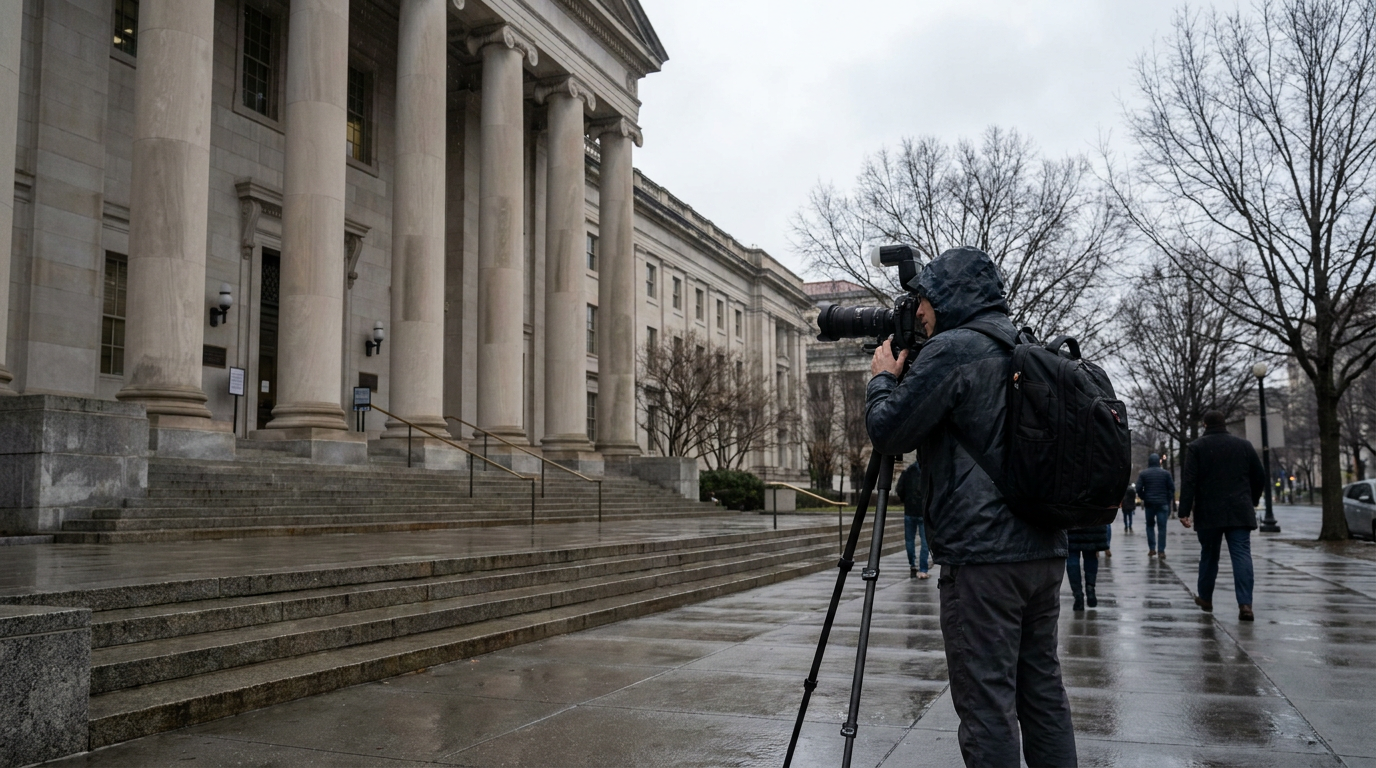
White House media ban faces a federal court test after three media organizations challenged President Trump’s removal of their passes. A ruling is expected soon.
U.S. District Judge Timothy Kelly heard about 45 minutes of arguments on September 23, 2026, but did not rule from the bench. Kelly, whom Trump nominated during his first term, said he would act as soon as he could.
Kelly weighs revoked passes
The case turns first on process: whether the administration gave the affected journalists enough notice and a meaningful chance to contest the loss of access. Kelly said earlier press-access decisions, including appellate precedent, appeared to require more than the government provided.
The three organizations asked the court to block the ban immediately, arguing in filings that it violated the First Amendment and basic constitutional protections. Their lawyer, Ted Boutrous, said Trump’s own public statements showed the policy was aimed at coverage the president considered too negative.
The Justice Department argued that access to the White House complex is a privilege rather than a right. Government lawyer Michael Velchik said the president acted after concluding that the organizations had not met professional and decorum standards expected of journalists with access to the grounds.
Letters cite security claims
The administration’s written defense pointed to letters from the White House press office accusing the organizations of publishing sensitive or classified information and spreading false claims on national security and other matters. The cited work included reporting on a White House ballroom and related military security complex, munitions used in the Iran war, Russia sanctions, and an alleged FBI leak inquiry involving a journalist.
The letters gave the organizations until 5 p.m. Friday to challenge what the administration called an initial decision. Kelly questioned how a letter sent after passes had already been revoked could tell journalists what standards they needed to follow beforehand.
Boutrous said the national-security explanation arrived only after Trump had publicly described the ban in political and ideological terms. In social media posts and Oval Office comments, Trump criticized the organizations for negative coverage and said other media outlets could face similar treatment.
That sequence matters legally because government retaliation for protected speech is harder to defend than a neutral access policy. The plaintiffs argue that Trump’s language shows viewpoint discrimination; the Justice Department says the president was enforcing standards tied to access to a sensitive federal workplace.
Press pool gaps widen
The dispute has practical consequences beyond the three organizations. Court filings said CNN is one of five members of the primary television pool and covers 20% of the costs for that arrangement, which supplies video and audio from events where space is limited.
The filings said the pool feed reaches the other network members and more than 1,000 local television affiliates across the United States. When CNN was scheduled to serve as the pool camera on Monday, the other network members declined to replace it, and Trump’s remarks at a White House ribbon-cutting were inaudible without pool microphones.
Politico participates in the rotating print pool, while MS NOW has a place in the secondary pool. The plaintiffs say losing access limits their ability to cover the presidency and weakens the flow of independent reporting to the broader press corps and the public.
Precedent shadows Trump policy
Kelly has handled a similar dispute before. In 2018, he ruled against the Trump White House after it removed press credentials from Jim Acosta, a decision that now sits in the background of the new case.
More than four dozen media organizations and press groups filed a friend-of-the-court brief supporting the plaintiffs. They argued that the current ban and possible future bans would impair coverage of the presidency unless the court intervened.
If Kelly grants emergency relief, the passes could be restored while the lawsuit continues, leaving the administration to defend the policy under First Amendment and due-process standards. If he denies the request, the organizations are expected to keep pressing the case, while the White House would retain broader control over access unless a higher court steps in.