Trump says Iran war may near end as Yemen risk grows fast
President Trump said the Iran war may be nearing a deal phase as Houthi attacks in Yemen threaten Saudi oil infrastructure and shipping routes.
Lauren Collins ·
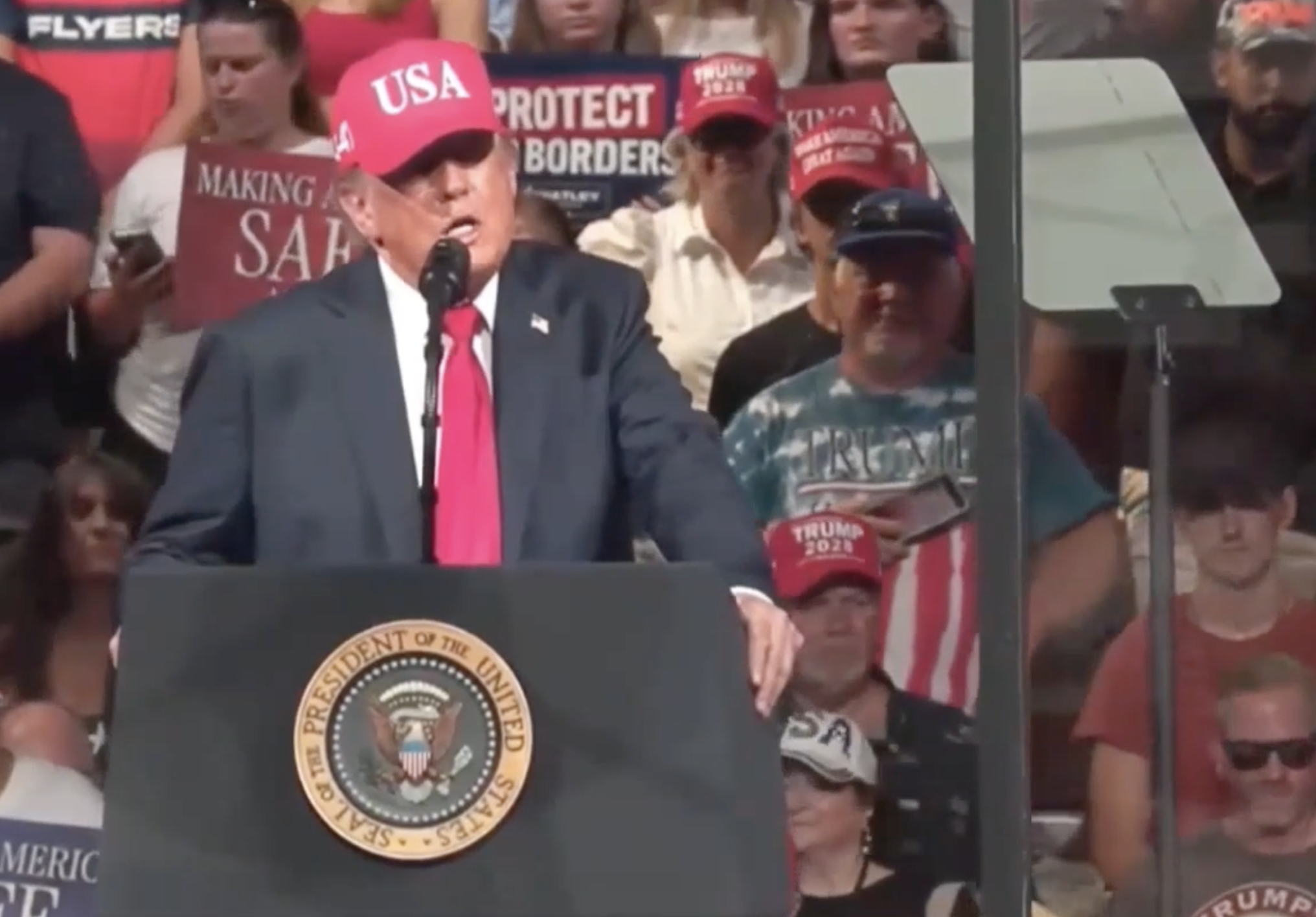
President Trump said the nearly seven-month Iran war may be nearing a deal phase, as Yemen fighting threatens Gulf oil routes.
Trump told reporters in North Carolina that Tehran wants an agreement while cautioning that the outcome is unresolved. His comments place diplomacy beside a widening battlefield where Saudi infrastructure and Red Sea access are now exposed.
The president said, "Well, hopefully we are toward the end of the war. They want to make a deal, we’ll see how that works out." He also said he had spoken with Tehran "directly," without describing the channel, timing or participants.
Trump points to Tehran contact
The remarks came in Charlotte, North Carolina, on September 16, 2026, after Trump stepped off Air Force One. The White House position, as described by Trump, leaves open whether the contact was a formal negotiation, back-channel message or another type of communication.
The war began on February 28, according to the account provided, and has now run for nearly seven months. That duration matters for policy: the costs can move beyond military operations into energy security, shipping insurance and alliance management.
For Trump, the political gain from a deal would be a chance to limit a conflict that began during his current term. The risk is that public talk of diplomacy gives Tehran leverage if battlefield pressure continues through allied groups rather than direct state-to-state confrontation.
Yemen front strains Saudi routes
The conflict is no longer confined to direct US-Iran hostilities. Iran-backed Houthis in Yemen have increased attacks on Saudi targets and are seeking control over the Bab el-Mandeb Strait, a maritime passage linking Red Sea traffic with the Gulf of Aden.
For Saudi Arabia, the immediate exposure is physical infrastructure. The kingdom is trying to repair a crude pipeline described as crucial, while analysts cited in the account warned that a supply disruption could last longer than an initial outage.
Bab el-Mandeb gives the Yemen fighting a wider reach than local battlefield gains would suggest. If the strait becomes less reliable for commercial shipping, energy cargoes face longer voyages, higher security costs or delayed delivery schedules.
Oil pressure meets Gulf politics
Oil markets are sensitive to any shift in Middle East export capacity, particularly when the risk sits near a chokepoint rather than a single production site. In this case, the pressure runs through both Saudi repair work and the security of vessels moving near Yemen.
The political balance is narrow. If Tehran is prepared to engage, the White House has a possible route to contain the conflict; if talks stall, the Yemen front gives Iran-aligned forces another way to pressure US partners.
The industry effect runs through insurance, transit planning and spare capacity rather than a single corporate balance sheet. No pipeline operator was identified in the available account, so the company-level impact cannot be assigned beyond the Saudi repair effort.
Conditional paths for crude
If Trump’s stated opening with Tehran holds, the global macro effect would run through lower perceived supply risk rather than an immediate increase in barrels. For the Saudi repair effort, a calmer regional track would give engineers and exporters more room to restore the pipeline without repeated disruption.
If Houthi attacks intensify instead, the mechanism changes. Global buyers would face a higher risk premium for Red Sea and Gulf of Aden flows, Saudi infrastructure would remain under pressure, and refiners and shippers would plan around a less dependable corridor.
The main open questions are whether direct US-Iran contact becomes a formal negotiating channel and whether the Houthis can translate attacks into lasting control near Bab el-Mandeb. Until those points are clearer, oil markets and Gulf governments are reacting to sequence, not settlement.