Supreme Court backs Trump control over regulators in 5-4
The Supreme Court expanded presidential authority over regulators, allowing Trump to fire agency heads while keeping a carve-out for the Federal Reserve.
Lauren Collins ·
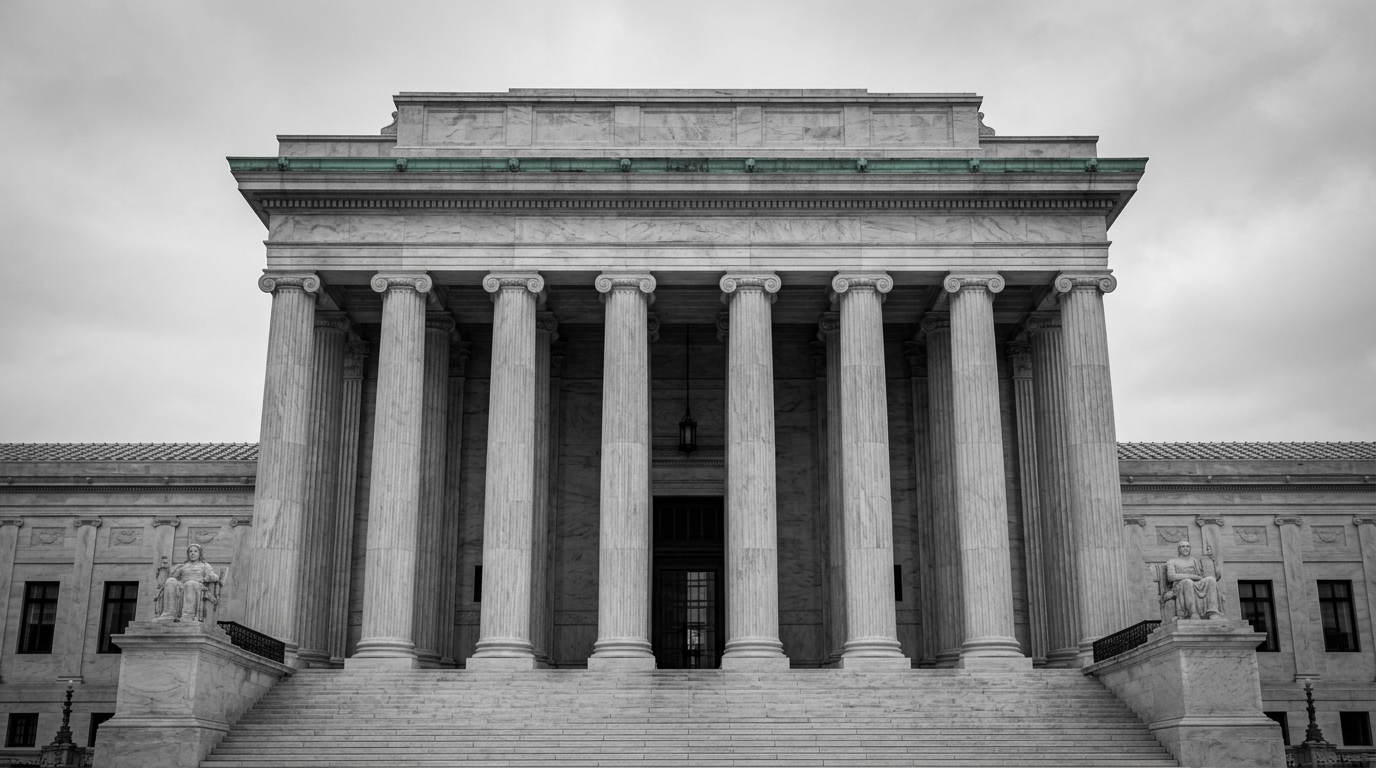
The Supreme Court on Monday broadened presidential control over the federal regulatory apparatus, a shift that strengthens Donald Trump’s ability to reshape independent agencies that oversee markets, consumers and workplaces.
The ruling allows the president to dismiss leaders of agencies that exercise executive authority, sharply limiting the job protections that have long insulated certain regulators from direct political pressure.
A decades-old framework for independent agencies is undone
In its decision, the court’s conservative majority discarded a precedent that had stood for 91 years, concluding that officials who carry out executive power must remain accountable to the president.
The case arose from Trump’s removal of Federal Trade Commission official Rebecca Kelly Slaughter, a Democrat. Her firing triggered the lawsuit that reached the high court and ultimately became the vehicle for a much broader ruling on agency independence.
The consequences extend well beyond the FTC. The court’s reasoning reaches a wide set of independent bodies, potentially affecting as many as two dozen agencies, including the Securities and Exchange Commission and the National Labor Relations Board.
Fed independence largely survives, but with a defined escape hatch
In a separate decision, the Supreme Court preserved a limited form of independence for the Federal Reserve, emphasizing the long-standing practice of insulating monetary policy from day-to-day politics.
At the same time, the court described the central bank as “unique,” language that signals other regulators are unlikely to receive comparable treatment. The carve-out, as framed, is narrow and rooted in historical practice rather than a broad endorsement of independence across the regulatory state.
Even for the Fed, the court outlined a potential route for presidential removals under certain circumstances. A governor could be ousted for sufficiently serious misconduct if the official is afforded a reasonable opportunity to defend against the allegations.
Regulatory enforcement and governance may shift quickly
The immediate practical effect is to strengthen the White House’s hand over agencies that write rules, bring enforcement actions and set policy priorities. The decision may allow a president to rapidly replace leadership and redirect how aggressively regulators police corporate conduct, consumer protections and labor disputes.
Former FTC chair Bill Kovacic, who served under President George W. Bush and now teaches law at George Washington University, said independent agencies face “a tremendous amount of turmoil in their immediate future.” His warning reflects the likelihood of leadership changes, internal uncertainty and legal challenges as agencies adjust to the new boundary between independence and presidential control.
The decision also raises stakes for regulated industries and workers who rely on stable enforcement expectations. Agencies such as the SEC and NLRB sit at the center of major economic decisions, from securities oversight to collective bargaining rules, and leadership turnover can alter enforcement patterns even without any new legislation.
Next steps are likely to play out through personnel actions and litigation over how broadly the ruling applies across different agency structures. With the Supreme Court limiting independence for much of the regulatory state while carving out only a narrow exception for the Federal Reserve, Washington now faces a faster-moving cycle of regulatory change tied more directly to presidential priorities.