House gridlock grows as GOP splits on voter ID bill
House gridlock is resurfacing ahead of the July 4 recess as Republicans clash over a Trump-backed voter ID bill and Democrats spar over Israel security…
Lauren Collins ·
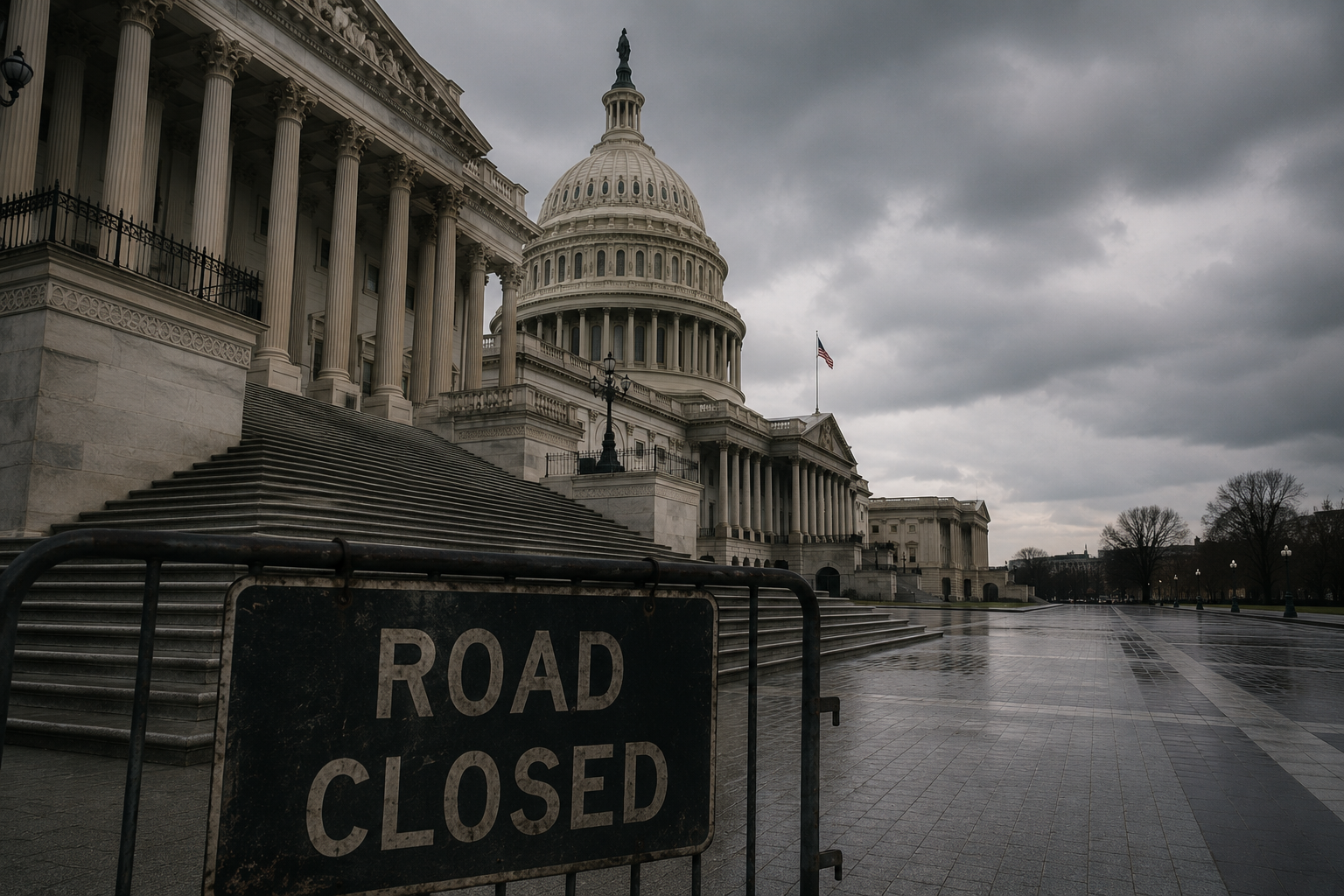
House gridlock is returning to the forefront this week as lawmakers head back to Washington with unresolved fights on voter ID and spending before the July 4 recess.
The immediate risk is procedural: conservative Republicans are signaling they may block a rule vote that typically sets up floor debate, a move that can freeze the chamber’s schedule for days.
Procedural showdown tied to Trump-backed voter ID push
A group of conservative hardliners has threatened to vote against a key procedural step in protest of the House GOP’s failure to advance a voter identification proposal backed by former President Donald Trump.
The bill at the center of the dispute is the SAVE America Act, which Republicans have promoted as a voter integrity measure. The protest threat comes even after Trump urged members to end the standoff, underscoring tensions between party leadership, rank-and-file conservatives, and the party’s presidential standard-bearer.
Because rules votes are essential for bringing major legislation to the floor, even a small bloc can force the House into paralysis. When the majority cannot pass its own rule, it often triggers leadership scrambling, delayed votes, or a reduced agenda.
Adding to the complexity, Rep. Anna Paulina Luna of Florida and other GOP lawmakers are pressing leadership to link the SAVE America Act to the annual defense policy package. That strategy could raise the political cost of opposing voter ID language, but it could also jeopardize passage of the defense bill by inviting wider controversy.
Defense authorization measures have historically served as must-pass vehicles, but they can become vulnerable when loaded with non-defense priorities. In a closely divided House, contentious add-ons can fracture coalitions needed to move legislation.
Democrats confront internal strain on spending and Israel security aid
Democrats are simultaneously managing their own divisions as appropriations work continues, according to people familiar with internal discussions. Lawmakers privately met to review spending strategy and potential flashpoints that could surface during floor consideration.
One issue discussed was a controversial amendment that would reduce security-related funding for Israel. Rep. Rosa DeLauro of Connecticut, the top Democrat on the House Appropriations Committee, criticized the proposal in private as poorly drafted, according to those familiar with the meeting.
Despite concerns raised on the call, Democratic leaders did not provide explicit voting guidance to members, those people said. The absence of clear direction can expose fault lines within the caucus, particularly on foreign policy and defense-related accounts.
Appropriations bills routinely draw disputes over both domestic priorities and international security assistance. In recent years, Israel-related funding has also become a focal point for intra-party debate among Democrats, increasing the likelihood of high-profile floor fights.
What the standoff means ahead of the July 4 break
With the recess approaching, leadership in both parties faces limited floor time and shrinking patience among members eager to return to their districts. A failed procedural vote could consume days that would otherwise be used to move spending bills or other priorities.
If Republicans attempt to attach the voter ID bill to the defense authorization package, they may invite broader resistance from Democrats and some GOP members who prefer to keep defense legislation narrowly focused. At the same time, Democratic uncertainty on the Israel security-funding amendment could complicate coalition-building on appropriations.
The next test will be whether House leaders can line up enough votes for routine procedural motions and keep major legislation moving. Absent that, lawmakers could leave town with unfinished business and renewed questions about the chamber’s ability to govern on a tight calendar.