

Kalshi faces state gambling laws after two appeals losses
Arkansas has filed a lawsuit as federal regulators and states debate whether prediction contracts are federally regulated swaps or illegal gambling.
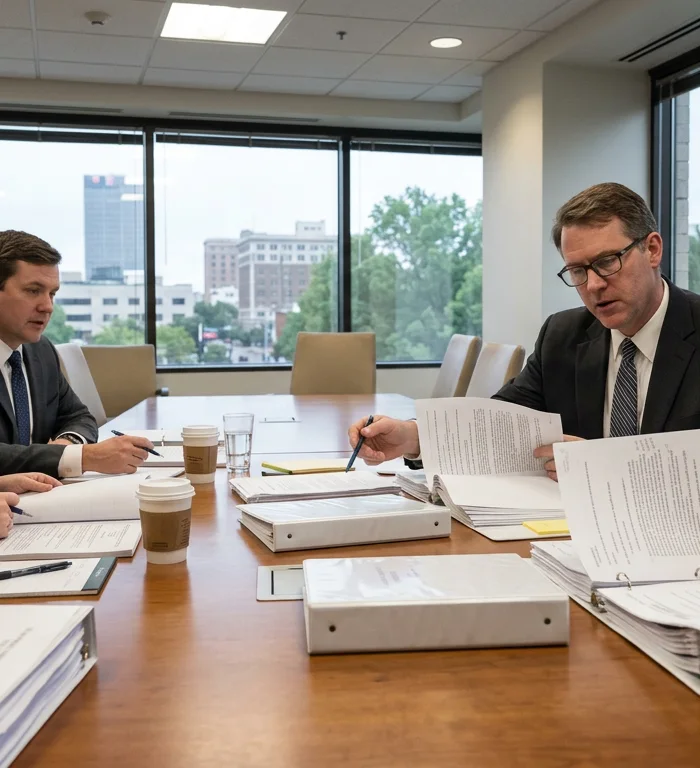
Kalshi lost bids this week to stop gambling-law enforcement in three states, after two federal appeals courts rejected the prediction market’s requests, Ars Technica reported Nov. 6.
The setbacks matter because they contrast with Kalshi’s April win in the Third Circuit; New Jersey and 39 other states plus Washington, D.C., are pressing the Supreme Court to intervene.
The dispute turns on whether Kalshi’s event contracts are swaps, financial contracts regulated by the Commodity Futures Trading Commission, or gambling products that states can police under their own laws. Kalshi says it is a federally regulated financial exchange and should not face different rules by state.
Arkansas Attorney General Tim Griffin announced a separate lawsuit against Kalshi this week in Arkansas state court. “Kalshi insists that its products are not gambling,” but “Arkansas law is concerned with substance, not semantics,” Griffin said.
Griffin said Kalshi let Arkansas users as young as 18 wager money, failed to pay taxes and did not comply with state restrictions. Arkansas permits electronic wagering accounts only for people at least 21 years old, according to the state rule cited in the report.
Kalshi rejected Arkansas’s case. “Kalshi is a federally regulated financial exchange,” the company said in a statement to Ars Technica. “Markets can’t operate when the rules change at every state line, which is why Congress created a single federal regulator, with nationwide rules.
Kalshi follows those rules and will defend against Arkansas’s baseless claims.”
In the Ninth Circuit, Kalshi failed to obtain a rehearing after an August panel ruling allowed Nevada to restrict sports bets offered through the platform. The appeals court said no judge on the 29-member court requested a vote on rehearing the case.
Kalshi also lost on Tuesday in the Second Circuit, where a three-judge panel upheld lower-court decisions from New York and Connecticut. The panel said Kalshi had not shown that an injunction pending appeal was justified, and also declined to disturb Coinbase’s related loss against Connecticut.
Those rulings follow a September defeat in the Sixth Circuit, where a three-judge panel ruled unanimously that Ohio and Tennessee may enforce gambling laws against Kalshi. A federal judge in Utah previously ruled that Utah may enforce its anti-gambling laws against the company, and Utah Attorney General Derek Brown later brought criminal charges against Kalshi and its founders.
The federal government is pursuing the opposite theory. The CFTC, asserting exclusive authority over platforms such as Kalshi and Polymarket, has sued Arizona, Connecticut, Illinois, Kentucky, Minnesota, New Mexico, New York, Rhode Island, Utah and Wisconsin.
Kalshi’s strongest ruling so far came in April, when the Third Circuit held that New Jersey could not regulate sports bets on prediction markets. That court said Kalshi’s sports-related event contracts are swaps traded on a CFTC-licensed designated contract market, giving the CFTC exclusive jurisdiction.
The legal split now leaves Kalshi operating under conflicting federal appellate rulings while states continue enforcement efforts. The Supreme Court has been asked to review New Jersey’s loss in the Third Circuit.
Source: Ars Technica article by Jon Brodkin, Nov. 6, 2026.
More stories
- MaxxBench exposes 23-point coding-agent gap in revised tests
- The Week in Games: Hardware math gets harsher
- Kingdom Come: Deliverance II Receives High Critical Acclaim
- Clair Obscur: Expedition 33 Receives High Critical Acclaim
- Riot Games Announces New Open Qualification Path for VCT 2027
- The Turkish Championship League Remains the Hub for LoL Esports
- Super-puff planets surprise scientists in TOI-791 system
- NASA Swift orbit boost aims to avert reentry this year
Latest news
- Poland starts 2 days of mourning over 6 Krakow deaths
- Home Office faces suit over almost 1,500 EU residency cases
- Uganda ties construction push to $500bn economy target
- Armenia faces EU democracy test over opposition cases
- Cambodia freezes more than $300m in scam crackdown
- Adults 50 to 64 reach 7.5% heavy-drinking rate
- Kyiv energy strikes disrupt utilities before peace talks
- Secret Service arrests man after White House weapons find