

Kyiv energy strikes disrupt utilities before peace talks
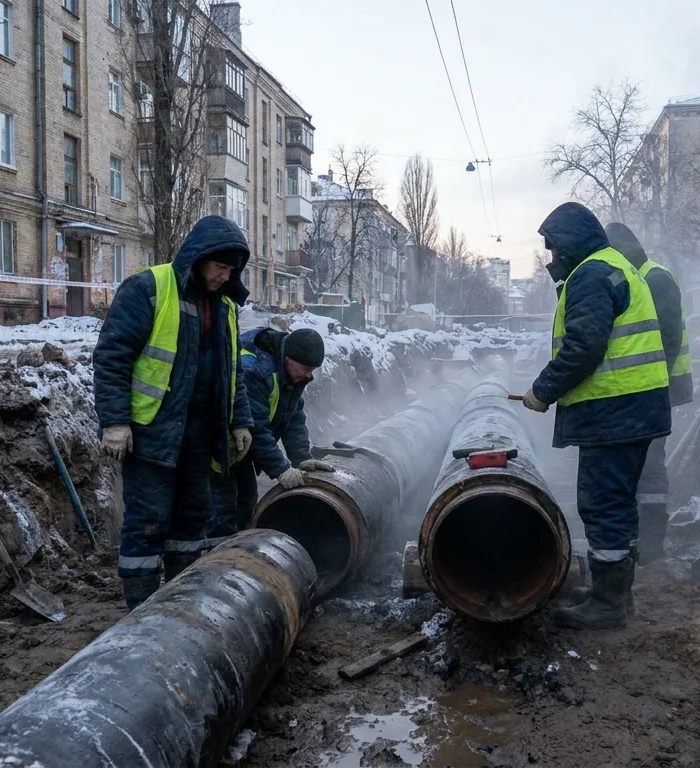
Russian strikes strained Kyiv's power and heating systems as temperatures neared freezing, Ukrainian officials said, three days before US-brokered talks.
Ukraine's energy ministry reported extensive damage to facilities outside the capital, including infrastructure carrying electricity from two nuclear plants. Those connections serve Kyiv and central Ukraine, placing the reported disruption beyond the city's boundaries.
Authorities reported at least two deaths and roughly a dozen injuries nationwide following the overnight attacks. They also reported damage to residential properties, businesses and other buildings; the supplied account did not break down the casualties by location.
Kyiv utilities face simultaneous disruption
President Volodymyr Zelenskiy described problems affecting three essential services in a statement on X. "The capital is facing serious difficulties with its electricity, water, and heat supplies," he said, adding that electrical substations elsewhere in five regions had also come under attack.
The damage reported by the ministry involved systems delivering nuclear-generated electricity, rather than a reported strike on the reactors themselves. The account did not identify the two plants or quantify how much transmission capacity had become unavailable.
With temperatures approaching freezing, the duration of heating interruptions is a central uncertainty for residents. If repairs take longer than the remaining period before colder weather arrives, households facing disrupted electricity and heat would have fewer functioning services during that period; no restoration timetable was provided.
Missile interceptions and bridge damage
Zelenskiy said Ukrainian defenses intercepted four ballistic-type missiles out of 36 fired by Russia. He also said the salvo included weapons manufactured in North Korea and that some of those missiles struck a key energy installation; these claims were not independently corroborated in the supplied material.
Mayor Vitali Klitschko reported that several ballistic missiles damaged the Northern Bridge, which crosses the Dnipro River. His account adds a transport link to the affected infrastructure, although the material did not establish whether traffic was restricted or describe the bridge's structural condition.
Russia's defense ministry acknowledged attacks on energy and transport infrastructure around Kyiv. It also said it targeted facilities associated with Ukraine's defense industries, presenting a military rationale that does not independently establish the function of each site struck.
US-brokered talks approach after attacks
The attacks came three days before scheduled US-mediated discussions involving Russia and Ukraine, with Abu Dhabi identified as the venue. The material provided no agenda, delegation details or indication of whether the overnight strikes would change either side's participation.
Russian regional authorities also reported Ukrainian missile and drone attacks on several regions, describing limited damage and no casualties. Their account was not independently corroborated, and the supplied material offered no Ukrainian explanation of those operations or their intended targets.
If the talks proceed as scheduled, they will follow fresh reports of infrastructure damage from both countries, with the more extensive service disruption described by Ukrainian officials. For Kyiv, the immediate unresolved issues are when electricity and heating can be restored and whether the damaged transmission links can resume supplying the capital and surrounding regions.
More stories
- Poland starts 2 days of mourning over 6 Krakow deaths
- Home Office faces suit over almost 1,500 EU residency cases
- Uganda ties construction push to $500bn economy target
- Armenia faces EU democracy test over opposition cases
- Cambodia freezes more than $300m in scam crackdown
- Paraguay president falls as Ueno Bank customers queue up
- Pedro Alliana takes Paraguay presidency after bank crisis
- KAYAK puts Rovaniemi Christmas hotel rates down 22%
- Malaysia TVET entrants rise 30% in high-skills push