SNAP losses hit 3.5 million as Trump law takes effect widely
SNAP enrollment fell by 3.5 million between July and February as new federal rules took effect, deepening food insecurity while prices remain elevated.
Lauren Collins ·
SNAP enrollment fell by 3.5 million between July and February as new federal rules took effect, deepening food insecurity while prices remain elevated.
The Center on Budget and Policy Priorities (CBPP) estimates nearly 9% of participants lost Supplemental Nutrition Assistance Program benefits after July, when former President Donald Trump signed the Republicans’ One Big Beautiful Bill Act. The Department of Agriculture reports roughly 42 million people received SNAP in fiscal 2025.
Price pressures persist at the checkout and the pump, and forecasters see inflation firming in coming months. The Federal Reserve Bank of New York recently flagged a sharp rise in food hardship as household budgets absorb higher costs and fewer supports.
Steep statewide drops
Participation has fallen in every state even as the national jobless rate has hovered near 4% since July, according to CBPP’s review of federal and state data. The group argues that flat unemployment makes a reduced need for aid an unlikely explanation for the broad declines.
Arizona shows the deepest contraction, with state figures indicating a 51% plunge, amid staffing and administrative strains cited by advocates. Louisiana’s caseload is down about 20%, Tennessee nearly 16%, and Virginia close to 15%, CBPP found.
New rules and paperwork hurdles
The OBBBA, which the Congressional Budget Office scored as reducing SNAP by $187 billion, shifts part of benefit costs to states and tightens eligibility. To contain their new obligations, states face pressure to lower payment error rates, a push that advocates say has generated heavier documentation demands and more terminations.
Work rules also broadened. Able-bodied adults without exemptions now face a 3‑month cap within a 36‑month window unless they average 20 work hours weekly. The time limit was extended to adults ages 55–64 and to parents of teens 14 and older, and it now applies to groups including people experiencing homelessness, veterans, and former foster youth. Some noncitizen lawful residents also became ineligible.
On the ground, the process can be arduous. Arizona resident Rhonda Keene, 60, said repeated requests for additional paperwork have delayed her first-time application, leaving her to rely on family while she awaits decisions on SNAP and Social Security claims. CBPP’s Joseph Llobrera said many households are being cut off or denied amid complex forms and tight timelines.
Food banks brace as Congress weighs fixes
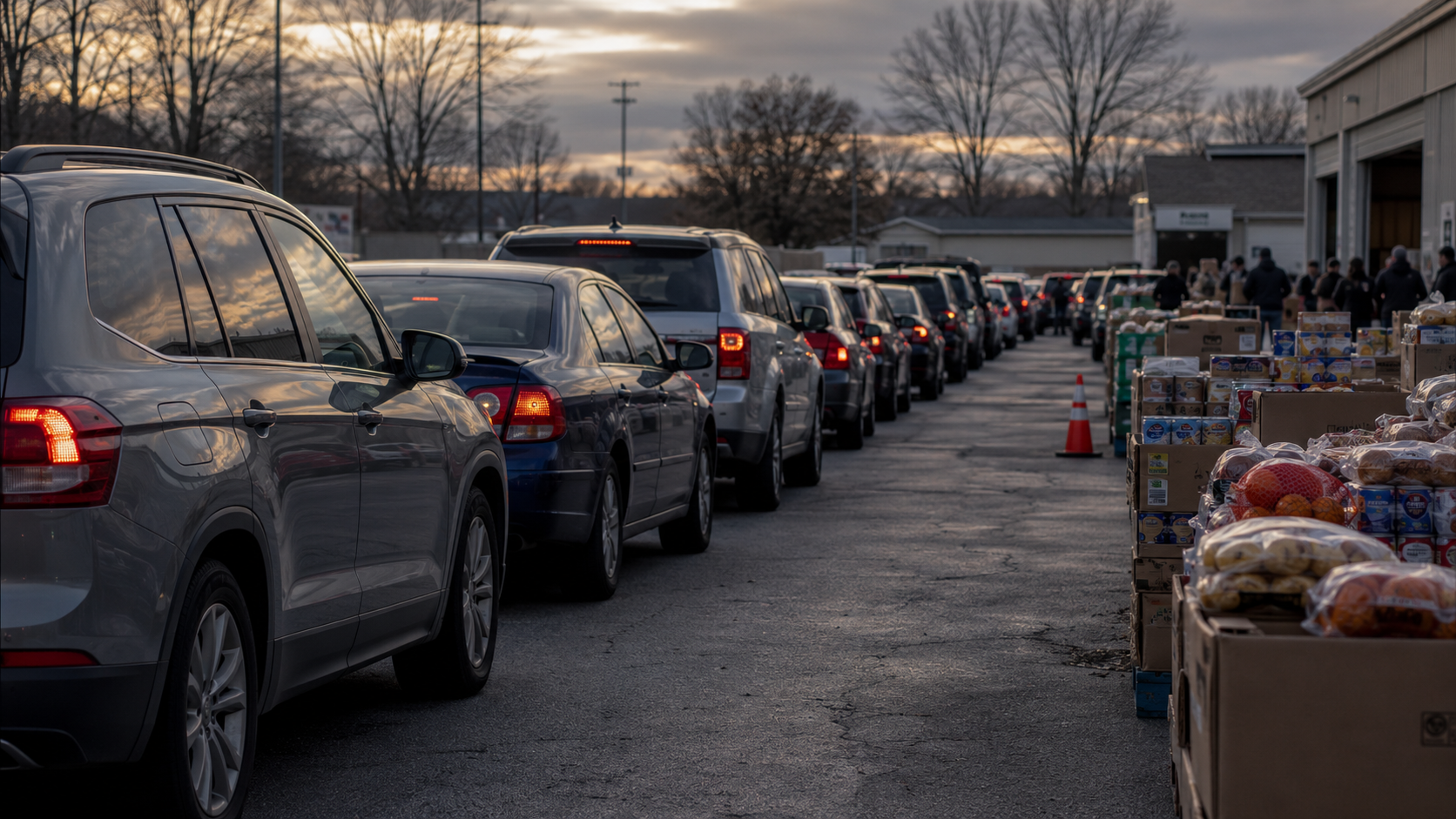
Community groups warn they cannot replace lost federal aid. In Arizona, roughly 400,000 people have fallen off SNAP rolls, said Claudio Rodriguez of the Community Food Bank of Southern Arizona, noting the average monthly benefit there is about $168. Donations rose 17% in a recent drive, yet food banks say SNAP delivers nine meals for every one they provide.
California begins enforcing the expanded 90‑day limit June 1, with advocates projecting 55,000 to 60,000 residents could lose benefits monthly starting around October. The state’s SNAP caseload dropped more than 6% from February 2025 to February 2026, while California Food Banks reports serving 6 million people a month—surpassing its pandemic peak of 4.5 million.
New York’s expanded work rules took effect March 1, meaning many will hit the three‑month cutoff June 1. Even before implementation, participation there had declined by about 150,000; advocates estimate 300,000 to 400,000 New Yorkers could be affected this year.
Anti-hunger groups are urging Congress to act in the Senate farm bill. The American Public Health Association seeks restoration of the $187 billion cut and reversal of changes including expanded work rules. The Center for American Progress estimates coverage losses tied to the new requirements could contribute to 70,000 additional deaths by 2040. Lawmakers’ decisions and forthcoming USDA data will determine how deep the cuts run and who is most affected.