Data center energy costs bill stalls in Senate AI fight
A Senate Democrat blocked a House-passed data center energy costs bill, offering a stricter alternative as lawmakers split over AI grid expenses.
Atlas Newsdesk ·
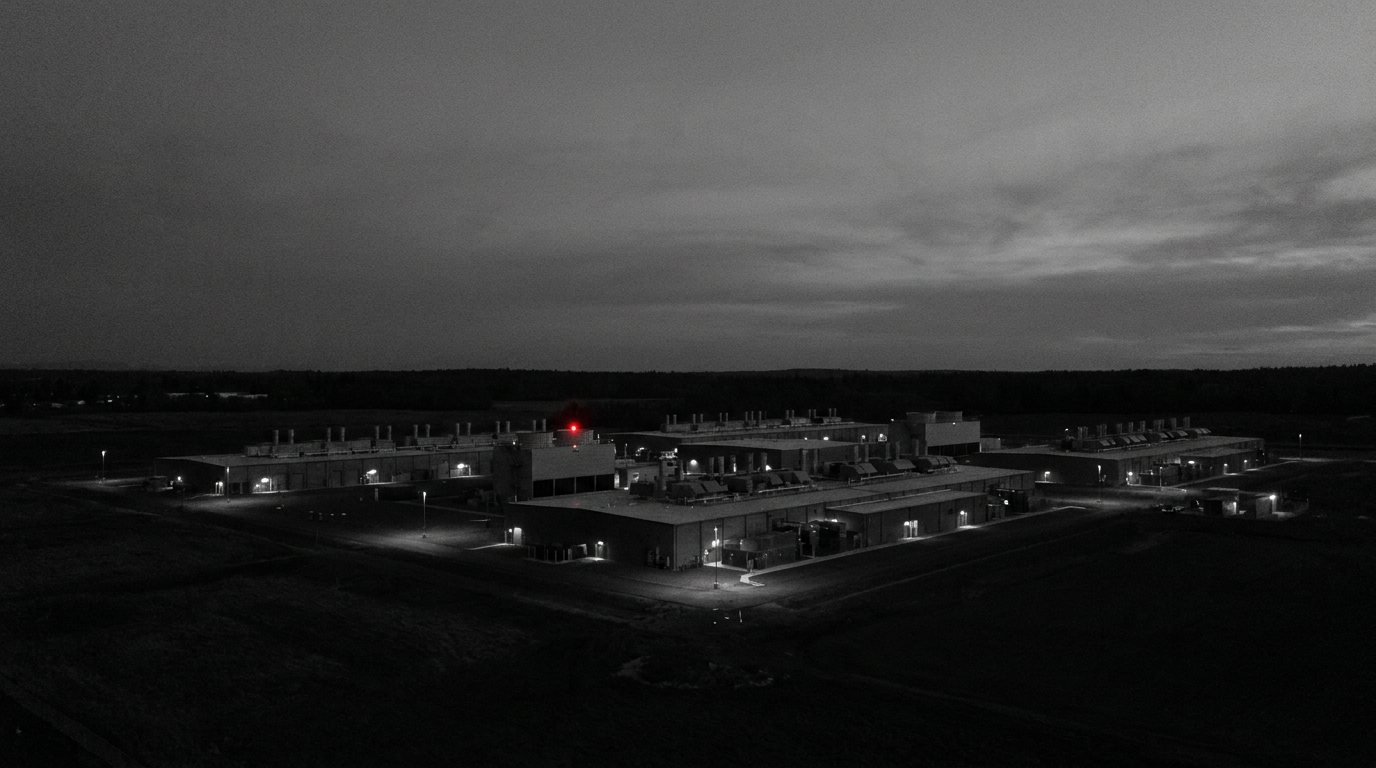
Sen. Martin Heinrich blocked a data center energy costs bill approved 417 to 3 by the House, delaying federal action on AI power bills.
The Senate clash came one day after the House backed the Ratepayer Protection Act with support from both parties. The bill would direct technology companies to cover energy infrastructure costs tied to new data centers rather than shifting those costs to household and business ratepayers.
Heinrich blocks House bill
Sen. Jon Husted of Ohio tried Thursday to move the House-passed measure through the Senate by unanimous consent. That procedure allows one senator to stop a bill, and Heinrich, the top Democrat on the Senate Energy and Natural Resources Committee, objected.
Heinrich said AI data centers can add to power bills and argued that the House measure did not set strong enough limits on cost-shifting. His objection did not defeat the legislation permanently, but it prevented quick passage without debate, amendment or a recorded Senate vote.
GRID Savings Act enters fight
Heinrich then sought the same fast-track treatment for his own bill, the GRID Savings Act. He said his proposal was designed to stop households from absorbing electricity costs created by data center expansion.
The New Mexico senator also said federal policy should address community engagement, water use, air pollution, clean energy and battery storage. Those additions widen the dispute from customer bills to the local resource demands that large computing campuses can place on power grids and communities.
Sen. Bernie Moreno of Ohio objected to Heinrich's bill, leaving both measures stalled under the same Senate rule. Moreno criticized Heinrich for blocking the House-passed measure, which he said would have delivered faster relief to consumers.
AI load tests utilities
The fight reflects a broader pressure point in US energy policy: data centers require large, steady electricity supplies, while utilities are already planning transmission upgrades and new generation in fast-growing regions. When those projects are built, regulators must decide how much of the cost belongs to the customer that creates the demand and how much is spread across all ratepayers.
The House vote gave the Ratepayer Protection Act a clear political signal, with only three members opposing it. The Senate dispute shows that bipartisan concern over power bills does not yet translate into agreement over how far Congress should go in regulating data center developers.
The companies most exposed are the technology firms building or leasing AI data centers, even though no single company was named in the Senate exchange. If Congress requires them to pay more directly for grid upgrades, project costs could rise, site selection could become more dependent on local power availability, and utilities could face less pressure to recover those costs from ordinary customers.
Three paths for power costs
If the House bill advances later, the main mechanism would be cost allocation: data center users would bear more of the infrastructure bill linked to their power needs. That path could reduce political pressure from ratepayers, raise costs for AI infrastructure operators, and give utilities clearer federal direction as they connect large loads.
If Heinrich's broader approach gains support instead, the policy frame would extend beyond rates. Requirements tied to water, emissions, storage and community consultation could slow some projects, but they could also reduce local opposition and push the data center industry toward sites with cleaner power and stronger grid capacity.
If neither bill moves, the issue stays largely with state regulators, utilities and local permitting fights. That would leave consumers exposed to uneven rate decisions, keep technology companies facing different rules across markets, and limit Congress's role as AI demand becomes a larger factor in energy planning.
The next test is whether Senate leaders choose to negotiate a combined bill or leave the House measure parked. The open question is not whether data centers need more power, but who pays for the wires, generation and local costs needed to supply it.