

Disinformation Campaigns Target US Midterm Election Integrity
Coordinated disinformation campaigns following the US midterm elections have utilized fabricated evidence and doctored media to falsely allege widespread…
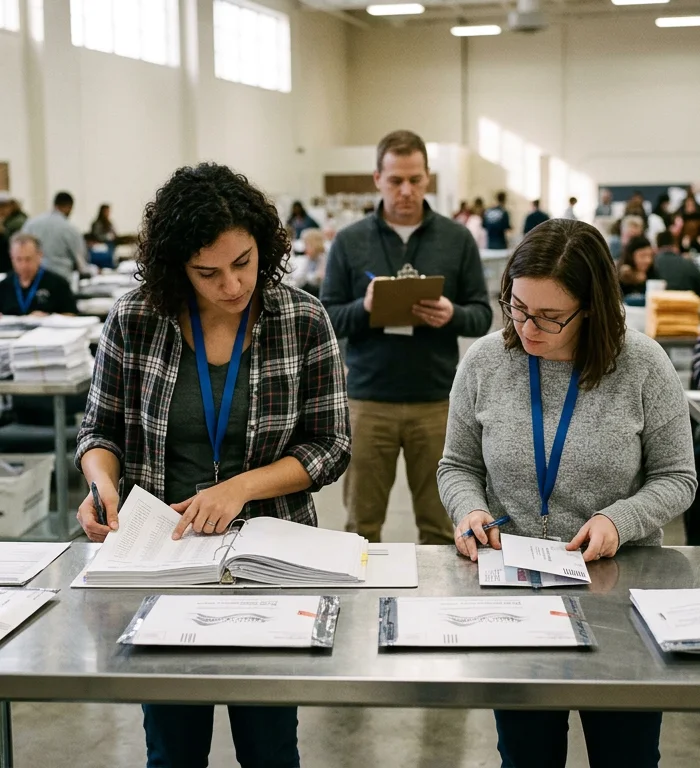
Following the recent US midterm elections, a surge in coordinated disinformation has sought to undermine public confidence in electoral outcomes. These narratives primarily utilize manipulated media, mischaracterized legal processes, and fabricated reports of criminal activity to allege widespread fraud. While these claims have gained significant traction on social media platforms, official investigations and state authorities have consistently debunked the underlying evidence.
One prominent narrative involved the circulation of surveillance footage from Lewiston, Maine, which purported to show illegal ballot manipulation by interpreters assisting voters. State law explicitly permits assistance for voters who cannot read or mark ballots due to physical disability, illiteracy, or religious requirements. Local election officials have confirmed that no credible reports of fraud regarding interpreter services have been substantiated, and the Department of Justice maintained an active monitoring presence in the jurisdiction to ensure compliance with federal standards.
Federal Bureau
Separately, viral claims alleging that the Federal Bureau of Investigation (FBI) seized over 20,000 fraudulent ballots from a Houston storage facility have been formally refuted by federal authorities. The imagery associated with these claims was found to be recycled from unrelated, historical events, including a previous investigation in Georgia and stock photography from commercial storage websites. The FBI issued a definitive statement confirming that no such election-related operation occurred in Texas.
Furthermore, bad actors have employed sophisticated digital tactics, such as creating doctored media broadcasts, to misrepresent the public statements of high-ranking political officials. In one instance, a fabricated news graphic falsely attributed claims of election rigging to a state official who had, in reality, publicly conceded the race and offered a formal congratulatory statement to the victor. These disinformation efforts represent a persistent risk to institutional credibility, necessitating heightened vigilance from policymakers regarding the provenance of viral election-related content.
More stories
- FCC approves prison cellphone jamming despite 2.5-mile warning
- Congress tests Black Democrats' growing policy influence
- Cotton faults Lutnick over AI chips allegedly sent to China
- Vance declines to back Iran strikes as Trump defends war
- Paul seeks 20%-30% federal credit for U.S. film shoots
- Trump targets data centers abroad with tax threat to firms
- Democrats hold Michigan Senate seat with El-Sayed victory
- Democrats face limits on gains as midterm voting arrives
- El-Sayed distances Michigan Senate bid from Piker furor
- Netanyahu Outlines Iran Strategy Following Talks with Trump
Latest news
- Trump prepares tariffs on China and other major exporters
- New-car buyers pay record average $50,087 in October
- Banks face ECB reserve debate over liquidity and profits
- Investors see Anthropic debut gains fade below $83 a share
- Iraq orders federal control over Kurdish-area oilfields
- Germans oppose Ukraine aid as poll shows support slipping
- Kim Jong-un receives 10 envoys after constitutional shift
- Ukraine claims Libya strike sinks Russian naval corvette