

Netanyahu Outlines Iran Strategy Following Talks with Trump
Israeli leadership details a three-pronged approach toward Iran, emphasizing economic pressure and military deterrence over diplomatic engagement.
Strategic Framework for Iran
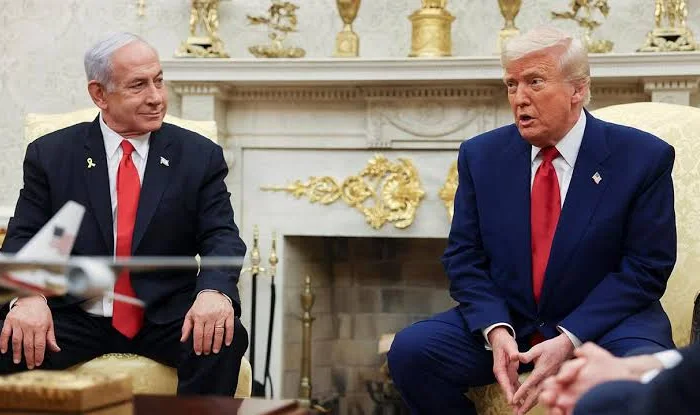
Israeli Prime Minister Benjamin Netanyahu recently articulated a tripartite strategy regarding Iran, following high-level discussions held at the White House on July 28. During a public address on August 25, the Prime Minister categorized the current geopolitical landscape into three distinct paths: diplomatic negotiation, military readiness, and intensified economic sanctions.
Regarding the potential for a diplomatic breakthrough, officials indicated that Netanyahu expressed significant skepticism. While he noted that his administration is not fundamentally opposed to a robust agreement, he questioned the feasibility of establishing a reliable foundation for such a deal with the current leadership in Tehran. Reports suggest he characterized the prospect of a successful diplomatic settlement as highly improbable under existing conditions.
Military Deterrence and Economic Pressure
The second pillar of the strategy focuses on military posture. Netanyahu emphasized that Israel maintains a firm commitment to self-defense, stating that the nation would not tolerate direct aggression. This rhetoric serves primarily as a message of deterrence, warning that any hostile actions against Israel would be met with a severe and decisive response.
The third component involves the expansion of economic restrictions. Netanyahu praised the current trajectory of American sanctions, framing them as a vital mechanism for isolating the Iranian government. By integrating these three approaches, the Israeli government signals that its security policy relies on a combination of financial containment and the credible threat of force, rather than relying solely on international dialogue.
Settlement Expansion and Regional Policy
In the same address, the Prime Minister highlighted ongoing developments in the West Bank, noting the establishment of 104 settlements and 160 agricultural centers. He attributed these activities to both previous and current American administrations, suggesting a continuity in policy regarding territorial expansion. This inclusion underscores how Israel’s domestic land policies remain closely linked to its broader diplomatic relationship with Washington.
Future Implications and Uncertainties
The path forward remains contingent on which of these three strategies gains momentum. Should Washington pursue a renewed diplomatic channel, Israel will likely face pressure to define its specific security requirements for any potential agreement. Conversely, a shift toward military escalation would heighten regional risk, forcing a pivot toward heightened defense readiness and operational planning.
If the current focus on economic pressure persists, sanctions will remain the primary tool for exerting influence without direct military engagement. A significant uncertainty remains: whether these financial measures will effectively alter Tehran’s strategic behavior or if they will lead to further regional instability. The lack of specific timelines or verifiable benchmarks for these policies leaves the long-term effectiveness of this approach an open question for international observers.
More stories
- FCC approves prison cellphone jamming despite 2.5-mile warning
- Congress tests Black Democrats' growing policy influence
- Cotton faults Lutnick over AI chips allegedly sent to China
- Vance declines to back Iran strikes as Trump defends war
- Paul seeks 20%-30% federal credit for U.S. film shoots
- Trump targets data centers abroad with tax threat to firms
- White House sees beef prices as November inflation risk
- Iran war poll shows Trump approval stuck at 33% record low
Latest news
- Social Security raises 2027 benefits 3.6%
- Hull City 2–0 Brighton: When Resilience Beat Reputation
- David Parr House to honor Victorian art-workman with blue plaque
- Iran's attacks hit 25 tankers near Strait of Hormuz
- Russia strikes Ukraine as Odesa faces electricity strain
- Bahrain reports two injuries after Iranian aerial attacks
- Baltic responders fight Sparta II fire after drone strike
- Dietitians advise small swaps for plant-based eating