

Voters Approve Citizenship Requirements and Abortion Protections in 2026 Ballot Measures
Voters in 2026 ballot measures affirmed citizenship requirements for voting and constitutional abortion protections, while fiscal policy outcomes remained…
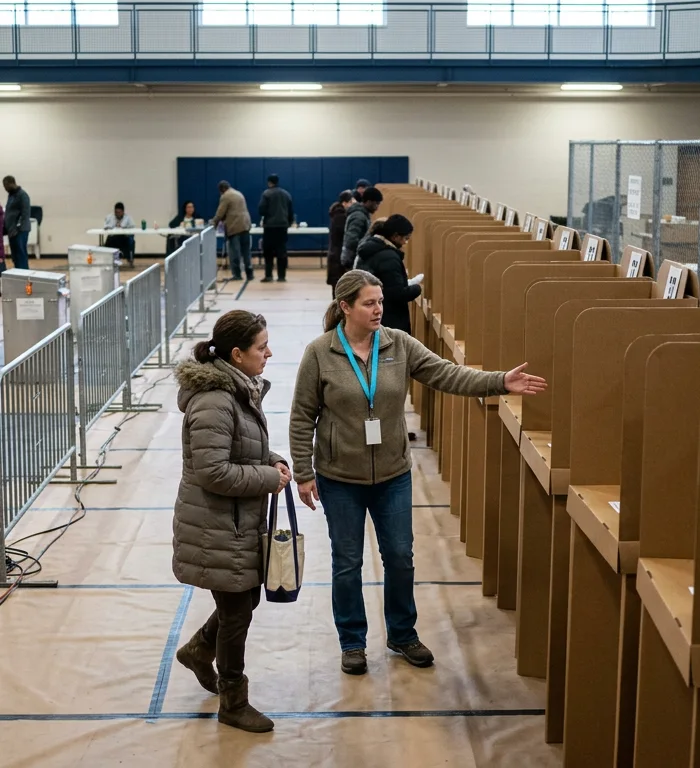
Voters across multiple states have approved constitutional amendments mandating that only U.S. citizens may participate in state elections. These measures, passed in jurisdictions including West Virginia, South Dakota, Kansas, Alaska, and Arkansas, effectively preempt local efforts to expand municipal voting rights to noncitizens. The widespread adoption of these requirements signals a significant shift in state-level election governance and administrative policy.
Abortion access remained a central focus of the 2026 ballot cycle, with mixed outcomes reflecting regional political divides. Voters in Nevada and Virginia successfully enshrined abortion rights into their respective state constitutions, while Missouri voters rejected an attempt to repeal existing constitutional protections. Conversely, Idaho voters declined to establish a statutory right to abortion, maintaining the state’s current restrictive legal framework.
In Washington state
Fiscal policy initiatives faced varying degrees of success, highlighting ongoing debates over wealth taxation. In Washington state, voters rejected a repeal of the 9.9% tax on annual income exceeding $1 million, effectively preserving the state’s recent revenue-raising measure. Meanwhile, the outcome of California’s proposed billionaire tax remains pending as officials continue to process outstanding ballots.
These results demonstrate a clear trend toward direct voter intervention in state-level administrative and social policy. The successful passage of citizenship-based voting restrictions suggests a hardening of electoral standards, while the abortion-related outcomes indicate that constitutional protections remain a potent issue for the electorate. Policymakers should anticipate continued legislative activity as states reconcile these new mandates with existing legal and fiscal structures.
More stories
- FCC approves prison cellphone jamming despite 2.5-mile warning
- Congress tests Black Democrats' growing policy influence
- Cotton faults Lutnick over AI chips allegedly sent to China
- Vance declines to back Iran strikes as Trump defends war
- Paul seeks 20%-30% federal credit for U.S. film shoots
- Trump targets data centers abroad with tax threat to firms
- Democrats hold Michigan Senate seat with El-Sayed victory
- Democrats face limits on gains as midterm voting arrives
- Supreme Court backs Trump control over regulators in 5-4
- House gridlock grows as GOP splits on voter ID bill
Latest news
- Trump prepares tariffs on China and other major exporters
- New-car buyers pay record average $50,087 in October
- Banks face ECB reserve debate over liquidity and profits
- Investors see Anthropic debut gains fade below $83 a share
- Iraq orders federal control over Kurdish-area oilfields
- Germans oppose Ukraine aid as poll shows support slipping
- Kim Jong-un receives 10 envoys after constitutional shift
- Ukraine claims Libya strike sinks Russian naval corvette