

New Mexico Border Crossing Reopens for Cattle Imports Amid $610 Million Mitigation Strategy
A key New Mexico border crossing has reopened for cattle imports under strict new biosecurity protocols to mitigate the impact of the New World screwworm on…
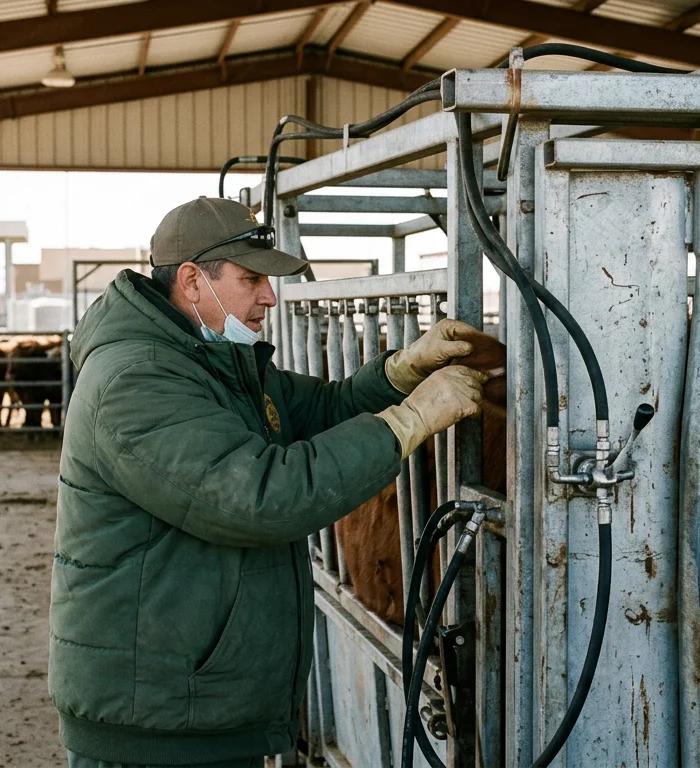
The U.S. Department of Agriculture has reopened the Columbus, New Mexico, border crossing to Mexican cattle imports following a two-year closure due to a New World screwworm outbreak. The resumption of trade is subject to rigorous, multi-stage inspection protocols, including mandatory vaccinations, physical examinations, and insecticide immersion treatments conducted in Mexico prior to transit.
This reopening is intended to stabilize the domestic cattle supply chain, which has faced significant pressure from drought-depleted herds and trade disruptions. The regional cattle trade, valued at approximately $1 billion annually, had experienced substantial economic losses in border communities during the closure.
To mitigate ongoing biological risks, the federal government is investing $610 million in a new facility designed to produce 300 million sterile flies per week. This biological control method, alongside drone surveillance and localized fly trapping, remains the primary strategy for managing the parasite. Despite these measures, officials maintain that the risk of cross-border transmission persists, necessitating continued vigilance across the livestock and wildlife sectors.
More stories
- FCC approves prison cellphone jamming despite 2.5-mile warning
- Congress tests Black Democrats' growing policy influence
- Cotton faults Lutnick over AI chips allegedly sent to China
- Vance declines to back Iran strikes as Trump defends war
- Paul seeks 20%-30% federal credit for U.S. film shoots
- Trump targets data centers abroad with tax threat to firms
- Judge Rules Trump Administration Illegally Fired Maurene Comey, Prosecutor in Epstein and Diddy Cases
- Trump targets El-Sayed with extremist claims in Michigan
- Traffic Stops Resume as Trump Reverses ICE Pullback Order
- Daylight saving time measure advances to uncertain Senate
Latest news
- Eisenkot secures first coalition deal but lacks majority
- Trump prepares tariffs on China and other major exporters
- New-car buyers pay record average $50,087 in October
- Banks face ECB reserve debate over liquidity and profits
- Investors see Anthropic debut gains fade below $83 a share
- Iraq orders federal control over Kurdish-area oilfields
- Germans oppose Ukraine aid as poll shows support slipping
- Kim Jong-un receives 10 envoys after constitutional shift