Daylight saving time measure advances to uncertain Senate
Daylight saving time passed the House 308-117, but Senate action and state opt-outs will decide whether the clock change becomes permanent.
Andreas Keller ·
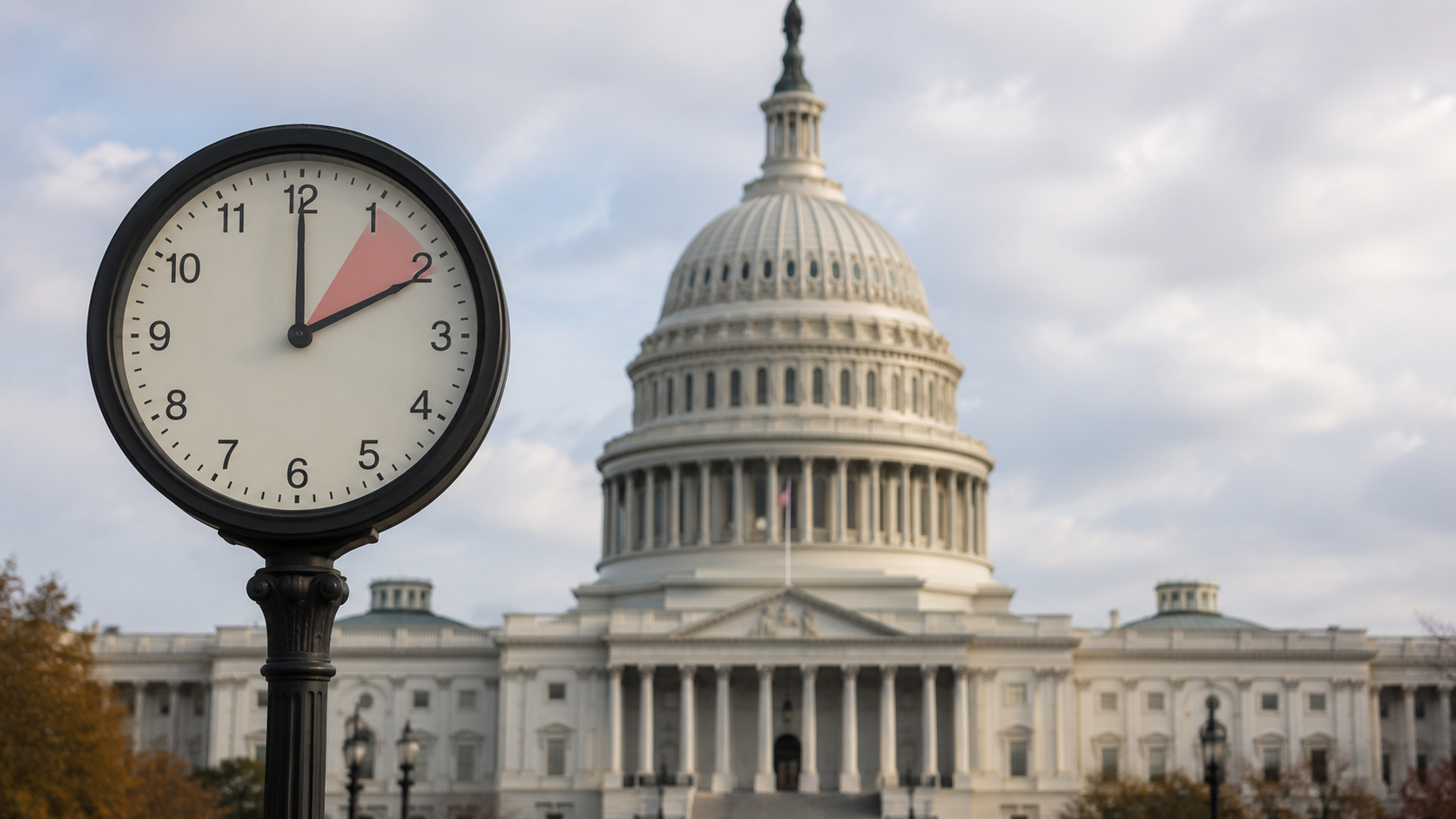
Daylight saving time cleared the House in a 308-117 vote, advancing a plan to end twice-yearly clock changes nationwide if the Senate agrees.
The House vote gives supporters a clear win, but it does not change the clocks by itself. The measure still needs Senate approval before it can be signed into law, and the source material did not provide a timetable for that chamber’s decision.
A 308-117 House vote
The bill would make daylight saving time permanent, according to the supplied material. Supporters, including the White House, say the shift would place more daylight in the hours when Americans are generally out of work, commuting, shopping, exercising or spending time outdoors.
The political appeal is straightforward: fewer clock changes and more evening light. For households and businesses that plan around after-work activity, the proposal would move the benefit toward the end of the day rather than the start.
The vote margin, 308-117, shows the House had a large bloc willing to back the change. Still, a House majority is only one step in the federal process, and the bill’s fate now depends on whether the Senate chooses to take it up and pass it.
States keep an escape route
The measure would not necessarily create one uniform outcome across the country. States could opt out if their legislatures act before the bill is enacted, according to the source material.
That provision matters because clock policy is both national and intensely local. A state with early winter school starts, long rural commutes or strong public safety concerns could decide that permanent daylight saving time does not fit its daily rhythms.
The opt-out mechanism also complicates implementation for companies that operate across state lines. Retailers, transportation providers, broadcasters and employers with distributed workforces would have to monitor which states remain aligned and which choose another path.
Winter mornings drive opposition
Opponents focused on the morning trade-off. They argued that permanent daylight saving time would bring darker winter mornings, raising hazards for children waiting for school buses and parents driving to work before sunrise.
That objection cuts to the central policy choice in the bill: where daylight should fall during the coldest months. More light in the evening can support activity after work, but shifting daylight later can make early commutes and school routines darker.
The debate therefore is not only about convenience. It is about whether the federal government should prioritize evening activity or morning visibility, and whether states should be able to make a different calculation before any national change takes effect.
Senate action sets the path
If the Senate passes the bill and it is signed into law, the immediate effect would be a federal move toward permanent daylight saving time, subject to state opt-outs. For the wider economy, the clearest mechanism would be behavioral: more daylight during active evening hours could shift consumer, commuting and leisure patterns.
If the Senate does not advance the measure, the current system remains in place and the House vote becomes a marker of political support rather than a policy change. Companies and public agencies would avoid a near-term transition, while supporters would have to continue pressing the case in Congress.
If several states opt out before enactment, the country could face a more fragmented time-policy map. That path would soften the uniform national effect of the bill and create planning issues for schools, employers, transport operators and firms serving customers across state borders.
The open questions are narrow but important: whether the Senate will pass the bill, whether the final version preserves the opt-out provision, and how many state legislatures would move before enactment. Until those questions are answered, the House vote is a major step, not a completed change.