

US Cabinet Stability Faces Pressure Following Midterm Election Losses
Internal political friction and cabinet instability have emerged following midterm election losses, with senior officials struggling to maintain authority…
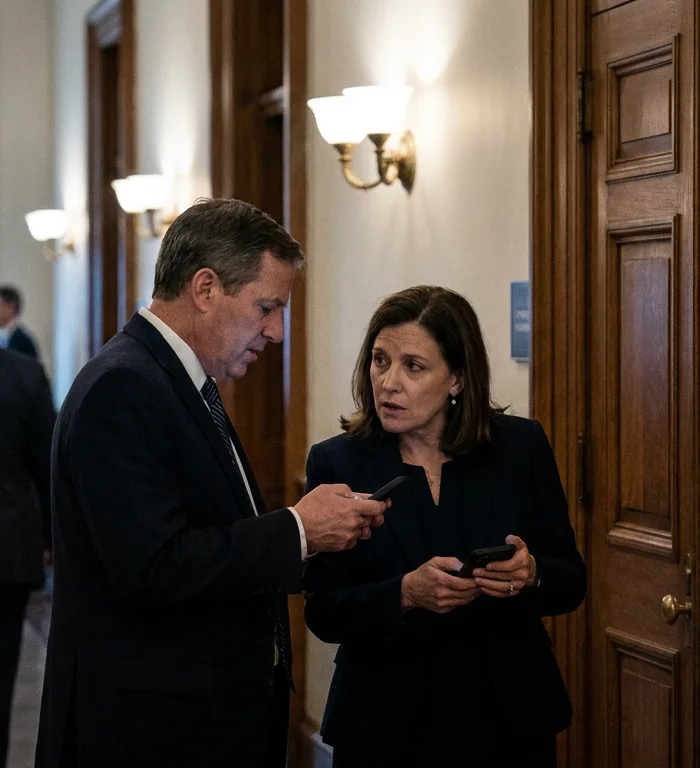
The United States administration is experiencing internal instability following significant losses in the midterm elections. Cabinet members are currently attempting to secure their positions amid reports of political infighting and potential leadership shifts. Defense Secretary Pete Hegseth has publicly defended his tenure, while Secretary of State Marco Rubio has issued denials regarding speculation that he intends to resign to pursue an independent presidential campaign.
This political volatility follows a public divergence between Vice President JD Vance and the administration. The Vice President explicitly attributed the electoral defeat to ongoing military engagement with Iran and persistent domestic inflation. These factors have created a fracture within the executive branch, complicating the administration's ability to maintain a unified policy front.
The United States
The midterm results suggest a weakening of the administration's mandate, which may impede the passage of legislative priorities and the execution of foreign policy objectives. The focus on internal political survival among senior officials indicates a shift in priorities from governance to damage control. This environment increases the risk of policy paralysis and potential cabinet turnover in the coming months.
Market participants should monitor the stability of security and economic teams, as further resignations could signal a broader loss of confidence in the administration's strategic direction. The combination of inflationary pressures and geopolitical tensions remains a primary driver of institutional risk. Continued public disagreement between senior officials is likely to exacerbate market uncertainty and complicate long-term fiscal planning.
More stories
- FCC approves prison cellphone jamming despite 2.5-mile warning
- Congress tests Black Democrats' growing policy influence
- Cotton faults Lutnick over AI chips allegedly sent to China
- Vance declines to back Iran strikes as Trump defends war
- Paul seeks 20%-30% federal credit for U.S. film shoots
- Trump targets data centers abroad with tax threat to firms
- 2026 midterms squeeze GOP margins across deep red states
- Democrats win Congress as household costs test new power
- Fauci Fifth Amendment move stalls Senate Covid probe fight
- Russia names Pavel Durov in terrorism-linked Telegram case
Latest news
- Trump prepares tariffs on China and other major exporters
- New-car buyers pay record average $50,087 in October
- Banks face ECB reserve debate over liquidity and profits
- Investors see Anthropic debut gains fade below $83 a share
- Iraq orders federal control over Kurdish-area oilfields
- Germans oppose Ukraine aid as poll shows support slipping
- Kim Jong-un receives 10 envoys after constitutional shift
- Ukraine claims Libya strike sinks Russian naval corvette