Trump rejects Iran ceasefire, sees strikes after midterms
Trump rejected an Iran ceasefire proposal, officials said, leaving port sanctions, nuclear talks and the Strait of Hormuz at the center of negotiations.
Lauren Collins ·
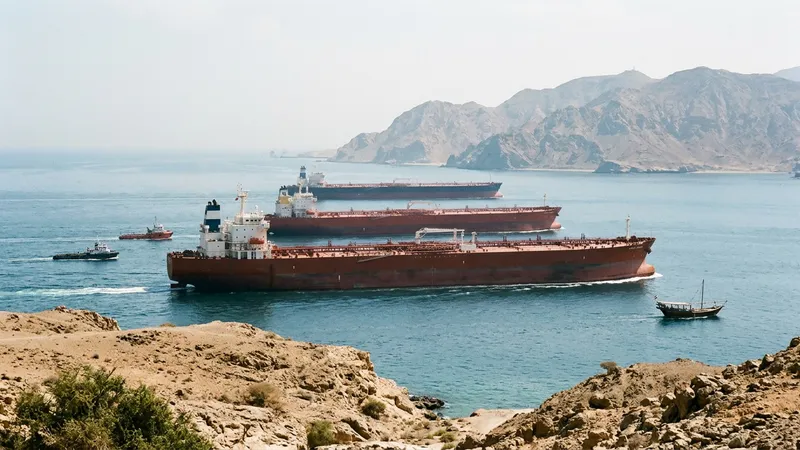
President Trump rejected an Iran ceasefire proposal, U.S. officials said, keeping the seven-month conflict tilted toward renewed strikes.
Tehran’s offer would have paused fighting for seven days, a short interval against a war officials described as seven months old. In exchange, Iran sought the reopening of the Strait of Hormuz, a return to nuclear talks and the lifting of a U.S. blockade on Iranian ports, which officials described as causing severe economic damage.
Seven days met seven months
Trump has told aides he expects bombing to resume after the November midterms, according to U.S. officials. The level of force under consideration could not be determined, and the officials did not describe a settled attack plan.
The president has said publicly that Tehran is seeking a post-election deal that would dismantle its nuclear program. Privately, officials said, he is skeptical Iran would accept the terms he wants, leaving talks active but exposed to another military turn.
Mediators keep nuclear channel open
A U.S. official said Washington and Tehran continue to negotiate through intermediaries, including on the nuclear issue. The same official said an American-led effort to keep oil tankers moving through the Strait of Hormuz despite Iranian threats has reduced the urgency of an immediate agreement.
That sequencing matters for both sides. Iran’s proposal put maritime access and port restrictions into the same bargain as nuclear diplomacy, while Washington’s tanker operation gives the White House more room to hold its position without accepting Tehran’s ceasefire terms.
Trump separates Iran from elections
Trump told world leaders at the United Nations General Assembly in New York this week that election politics would not shape his Iran decisions. "The Republican Party is running, and I’ll be helping them, but I am not running. I gave absolutely no credence and will not give credence through the election when it comes to Iran," he said, adding: "The only thing that does is that Iran will never have a nuclear weapon."
The president has also urged Republicans to act as if he were on the ballot when they vote. Officials said his position could still shift as the conflict continues over coming weeks and as the midterm results clarify the political terrain in Washington.
Trump’s record in the conflict has not followed one line. Officials described a president who has alternated among diplomacy, airstrikes and tighter sanctions, while declaring victory from the early phase of the fighting.
Munitions weigh on strike scale
The officials said Trump is reluctant to restart major combat operations in part because the U.S. wants to preserve limited munitions for other contingencies. That constraint leaves open a narrower campaign even if the White House returns to bombing after the vote.
Trump has previously used threats of large attacks during diplomatic deadlocks with Iran, sometimes carrying them out and sometimes stepping back from the outer edge of his rhetoric. Officials said his most expansive threats have not become the full scope of U.S. action.
Hormuz remains the bargaining channel
If mediators turn the seven-day offer into a broader pause, the immediate effect would run through shipping access and nuclear diplomacy rather than a battlefield settlement. Global energy transport would face less disruption risk, the White House would gain time to test Iranian concessions, and tanker operators would have a clearer route through Hormuz.
If the offer collapses and strikes resume, the mechanism runs in the other direction. The blockade would keep pressure on Iran’s ports, Trump would carry the costs of a renewed military campaign after the midterms, and the maritime and energy sectors would remain tied to U.S. security operations in the strait.
A third path is a limited post-election strike campaign paired with continued talks. Under that scenario, munitions constraints could cap the scale of U.S. action, while the unresolved nuclear issue and port blockade keep the conflict suspended between coercion and negotiation.