Houthi offensive strains Saudi oil, debt and alliance plans
Houthi offensive attacks are straining Saudi oil infrastructure, fiscal forecasts and alliances after President Trump declined Riyadh’s request for direct…
Omar Farouk ·
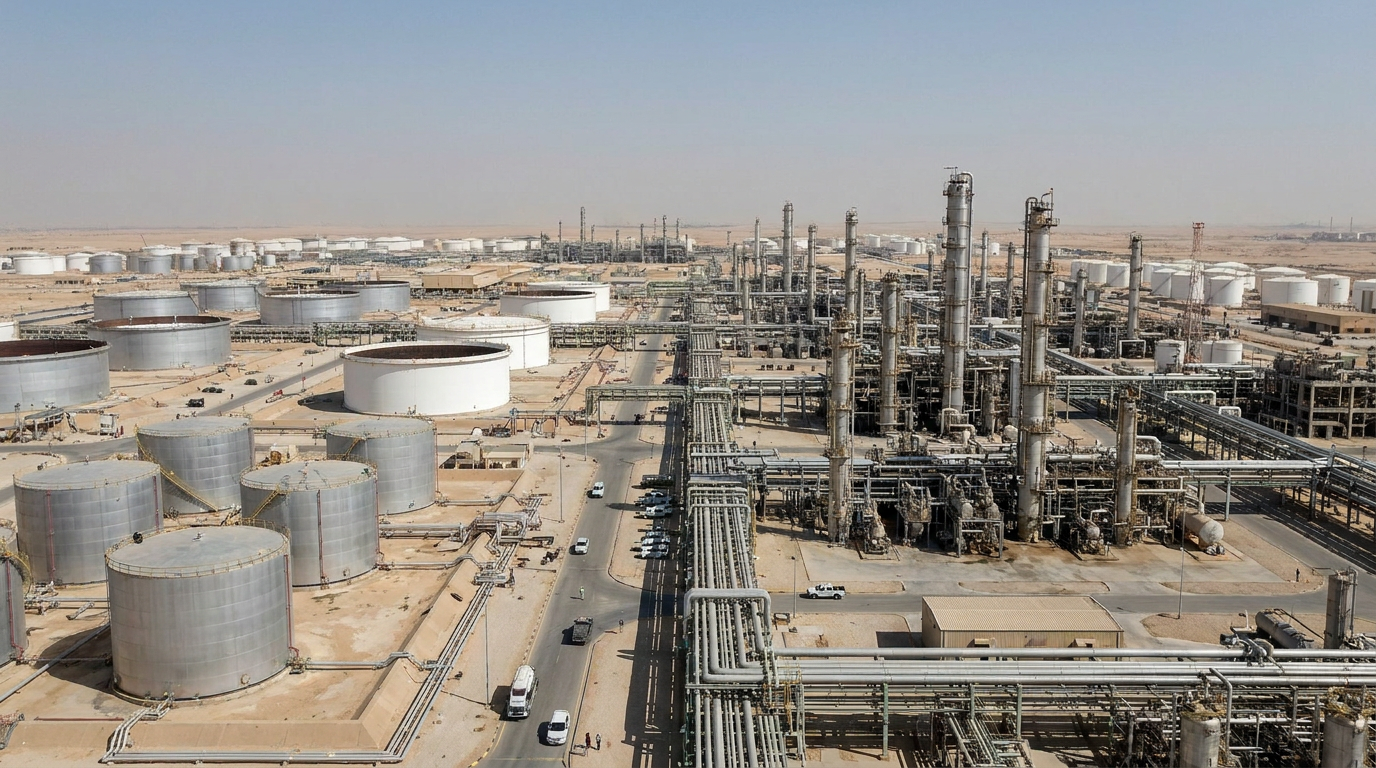
Houthi offensive attacks are pressuring Saudi Arabia’s oil exports, with forecasts putting the current-account hit as high as $79 billion.
The Atlantic Council report said the campaign has continued this week, including drone and missile strikes aimed at Saudi oil infrastructure. The report described the attacks as backed by Iranian military support, a claim that remains attributed to that single source.
Taiz fight meets oil strikes
Saudi-backed forces said they repelled a heavy Houthi assault on Taiz on Wednesday, according to the report. That battlefield claim sits beside a wider threat to Saudi energy facilities, where repeated strikes can force exporters to reroute shipments, repair assets and raise security spending.
The report said President Trump this week declined a direct Saudi request for military support from Crown Prince Mohammed bin Salman. For Riyadh, that response tests a security relationship long built around US backing for Gulf oil producers and Saudi alignment with Washington.
$79 billion deficit forecast
The economic pressure is clearest in the forecast range cited by the report. Some projections put Saudi Arabia’s current-account deficit at $79 billion if oil export restrictions persist, compared with $4 billion before that assumed shock.
The same forecasts suggest the fiscal effect could add about 4% of GDP to Saudi Arabia’s debt burden. That would come on top of the immediate costs of protecting, repairing and hardening oil infrastructure against drones and missiles.
Saudi Arabia is not described as facing a near-term funding crisis. The report said the kingdom still has ample foreign reserves and strong creditworthiness, which gives the government room to absorb a deterioration in external balances.
Vision 2030 faces a squeeze
The harder question is how long Riyadh can protect its diversification agenda while energy infrastructure draws more capital and attention. Vision 2030 relies on state-led investment to expand non-oil industries, tourism, logistics and technology-linked projects.
If more money is directed toward rebuilding facilities and making oil assets harder to hit, less may be available for the projects meant to reduce dependence on crude revenue. That trade-off would not erase the program, but it would narrow the margin for delays and cost overruns.
The attacks also affect companies and contractors tied to Saudi energy, construction and security procurement. Firms involved in pipeline protection, air defense, port logistics and industrial repair could see demand rise if Riyadh accelerates defensive investment.
Oil risk spreads beyond Riyadh
The macro channel runs through energy supply, fiscal confidence and regional risk pricing. If export limits reduce Saudi shipments, the effect would be felt first in oil markets and then in import costs for economies exposed to crude price swings.
For Saudi Arabia, lower or disrupted exports would weaken external receipts while pushing up defense and reconstruction spending. For the wider energy industry, the mechanism is different: higher operating risk can lift insurance, security and redundancy costs across Gulf infrastructure.
If the Houthi campaign eases and Saudi exports normalize, the current-account pressure cited in the forecasts would fade and Riyadh would have more space to protect Vision 2030 allocations. Global macro effects would also be more contained if oil flows remain steady.
If attacks continue at the current pace, Saudi Arabia faces a more expensive version of energy production: more reserves used, more debt issued and more capital diverted to resilience. If US support remains limited, Riyadh may seek deeper regional or alternative security arrangements, with consequences for defense suppliers and Gulf alliance politics.