Morocco election puts PAM first as coalition math shifts
Morocco election results put PAM first with 97 of 395 seats, but coalition talks will decide whether it can form a majority.
Omar Farouk ·
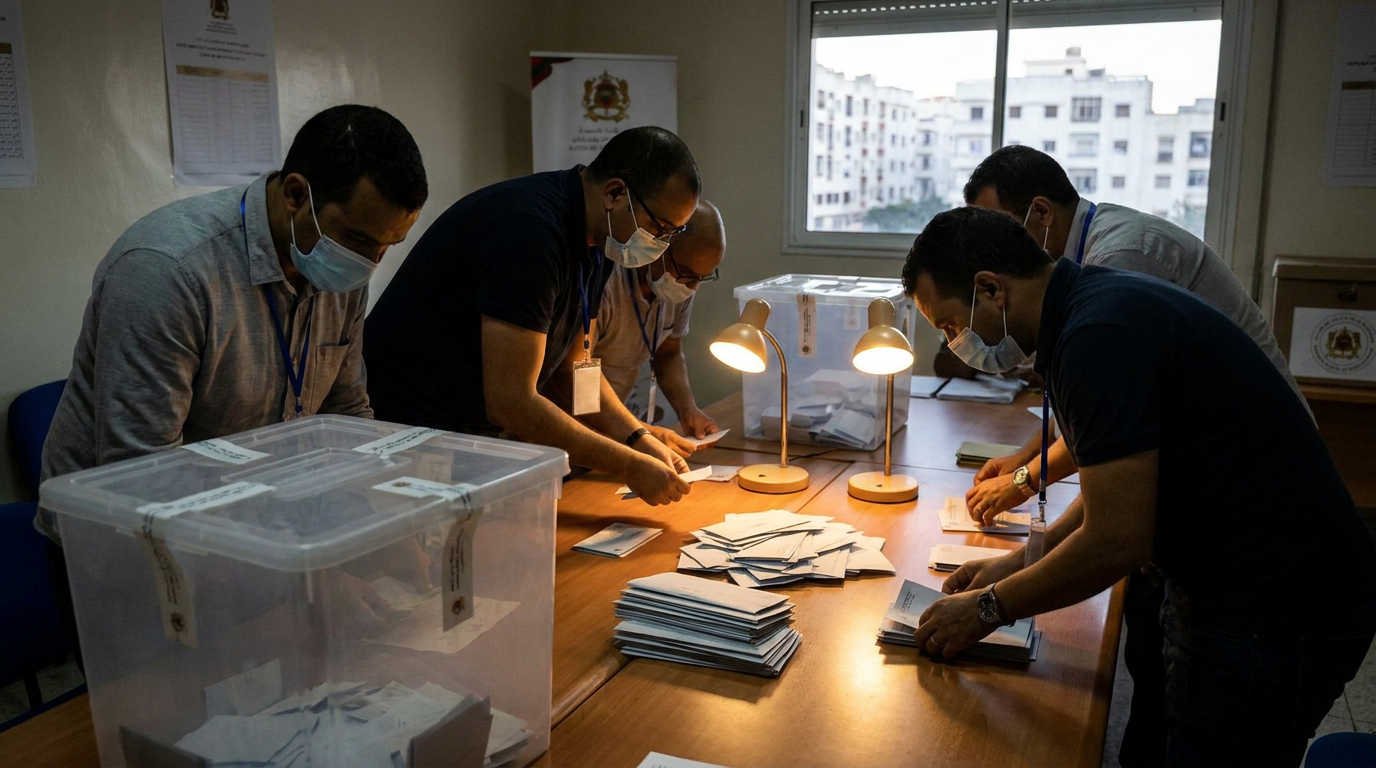
Morocco election results gave PAM 97 of 395 seats, putting it first without a majority. The count leaves coalition talks to decide the next government.
The National Rally of Independents, known as RNI, dropped to 66 seats from 102 in 2021, according to provisional results. Istiqlal finished just behind with 65 seats, leaving the three parties that have governed together since 2021 with a changed balance of power.
PAM reaches 97 seats
The Authenticity and Modernity Party, or PAM, emerged as the largest bloc in the 395-seat chamber. Its 97 seats put it 101 seats below the 198 needed for a parliamentary majority, making a coalition deal necessary before a government can take shape.
RNI’s decline is the main numerical shift from the outgoing parliament. The party led the departing coalition after winning 102 seats in 2021, but the provisional count now places it only one seat ahead of Istiqlal.
El Himma party roots
PAM was founded in 2008 by Fouad Ali El Himma, a childhood friend and close adviser to King Mohammed VI. That origin has long made the party’s relationship with the monarchy part of how Moroccan politics is read by rivals and voters.
The party campaigned on pledges to create 1 million jobs, increase healthcare spending and expand social protections and wages. Those promises were framed around pressure from younger voters, including participants in last year’s so-called Gen Z 212 protests.
The vote therefore tests whether a party with establishment roots can channel demands that came from a younger protest movement. The policy platform points to employment, health services and household income as the first areas where supporters will look for delivery.
Coalition arithmetic narrows choices
PAM and Istiqlal together hold 162 seats, 36 short of the majority threshold. PAM leaders have ruled out joining another coalition with RNI, which leaves the largest party needing other partners or a change in position from one of the main blocs.
If PAM sustains its refusal to partner with RNI, coalition negotiations would have to draw in smaller parties to reach 198 seats. For PAM, that path would test its control over ministries and budget priorities; for the wider political sector, it would shift leverage away from the outgoing coalition leader.
If PAM instead finds a route with Istiqlal and additional partners, the policy mechanism would run through public spending and labor measures. Morocco’s macro effect would depend on how job creation, healthcare funding and wage promises are financed, while employers and healthcare providers would watch for procurement, hiring and cost changes.
If talks stall, the immediate effect would be slower clarity on the government program rather than an automatic policy reversal. PAM would face pressure to convert a first-place finish into governing authority, while parties outside the core alliance would gain bargaining power over cabinet posts and legislative priorities.
The main open question is whether PAM’s stance toward RNI holds through negotiations. The answer will determine whether the election produces a reworked version of the 2021 coalition, a broader alliance built around PAM and Istiqlal, or a longer bargaining period before Morocco’s next government is formed.