Russia NATO risk rises as Denmark warns on strikes in Europe
Denmark's intelligence service warned of a low but growing Russia NATO risk, citing possible limited strikes on infrastructure tied to Ukraine support.
Claire Dubois ·
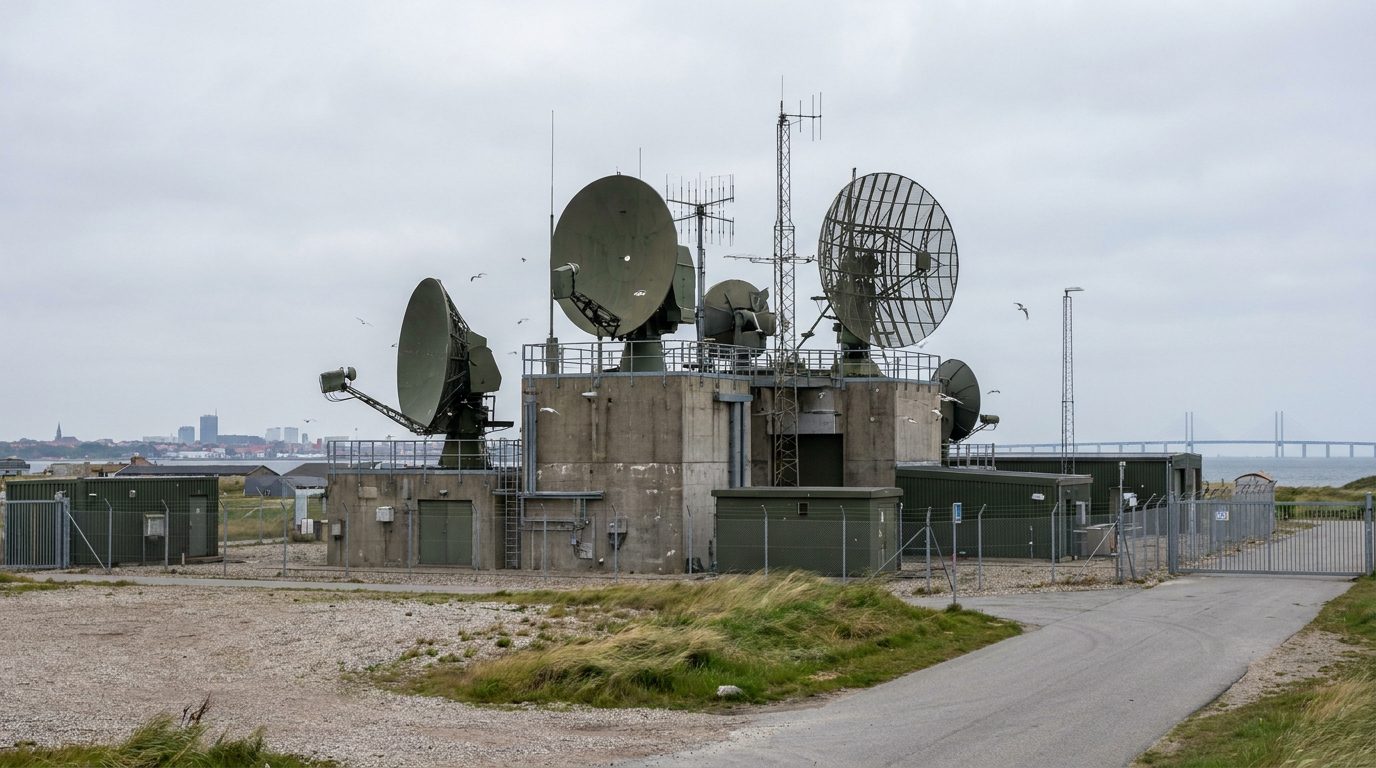
Russia NATO risk is rising, Danish intelligence warned, citing possible limited strikes on infrastructure tied to Ukraine support.
DDIS names a limited threat
The Danish Defence Intelligence Service on Thursday described a "low but growing risk" that Russia could conduct isolated attacks with long-range weapons. The agency said the possible targets would be infrastructure considered critical to European support for Ukraine, with the timing measured in coming months.
DDIS framed such an attack as a "desperate move" intended to pull European resources away from Ukraine and test whether NATO could agree on a common response. The warning follows more than 4½ years of war against Ukraine, a duration the agency linked to a higher Russian tolerance for risk.
No invasion signs cited
The agency said it had no indications that Russia is preparing a full invasion of a NATO country. It added that it could not rule out that outcome, keeping the possibility inside its assessment without presenting it as the central case.
DDIS also said Russia could send a small contingent of troops, perhaps lacking Russian insignia, into NATO territory along its border. Such a move would be difficult to conceal and would require several months of preparation, according to the agency.
Border states carry exposure
NATO members with a border with Russia are Finland, Norway, Poland, Latvia, Estonia and Lithuania. Those countries sit where alliance deterrence, Ukraine supply routes and Russian military probing would meet first if the warning moved from assessment to action.
Poland supplied a separate example of pressure on Ukraine support networks on Thursday. Its government said a fire at a Starlink ground station was sabotage intended to disrupt internet services, including connectivity used by Ukraine's military.
For Starlink, the Polish allegation places ground infrastructure, rather than satellites, at the center of the operational risk. The service's usefulness to Ukraine depends on terrestrial sites, power supply and local security as well as orbiting capacity.
Ukraine support is the target
The mechanism described by DDIS is political as much as military: a limited strike could force European governments to spend attention and resources at home. If allies split over whether an incident requires a collective response, DDIS said Moscow's goal of division inside NATO would be served.
For the wider defense and communications sectors, the warning shifts attention to redundancy, repair capacity and protection of nodes that support Ukraine. Companies operating data links, energy systems, ports or rail connections would face more scrutiny if governments treat such infrastructure as an active target set.
Scenarios turn on NATO cohesion
If the risk remains confined to sabotage and long-range threats, the macro channel would run through security spending, insurance pricing and investor caution rather than battlefield damage inside NATO territory. Starlink and comparable providers would face pressure to harden ground sites, while defense contractors and infrastructure operators could see more demand for monitoring, repairs and backup systems.
If Russia instead moved unidentified troops toward a border state, DDIS's own timing point suggests NATO would have months, not days, to detect and answer the buildup. The global effect would depend on whether shipping, energy and financial markets treated the move as contained coercion or as a step toward a wider confrontation.
If NATO members agree quickly on a response to any limited strike, the company-level effect for Starlink and other Ukraine-linked suppliers may stay concentrated in site security and continuity planning. If alliance governments divide, the sector risk broadens: firms tied to Ukraine support could face inconsistent rules, higher insurance costs and political pressure across markets.
The main open question is whether DDIS's "low but growing risk" becomes visible in Russian force movements, cyber activity or attacks on physical infrastructure. The next measurable signs are government security alerts, border deployments and official findings from incidents such as the Polish Starlink fire.