Internal dissent places India's Election Commission in the eye of a political storm
The Election Commission of India faces criticism after an investigation revealed procedural lapses and the removal of 130 million voters.
Raj Patel ·
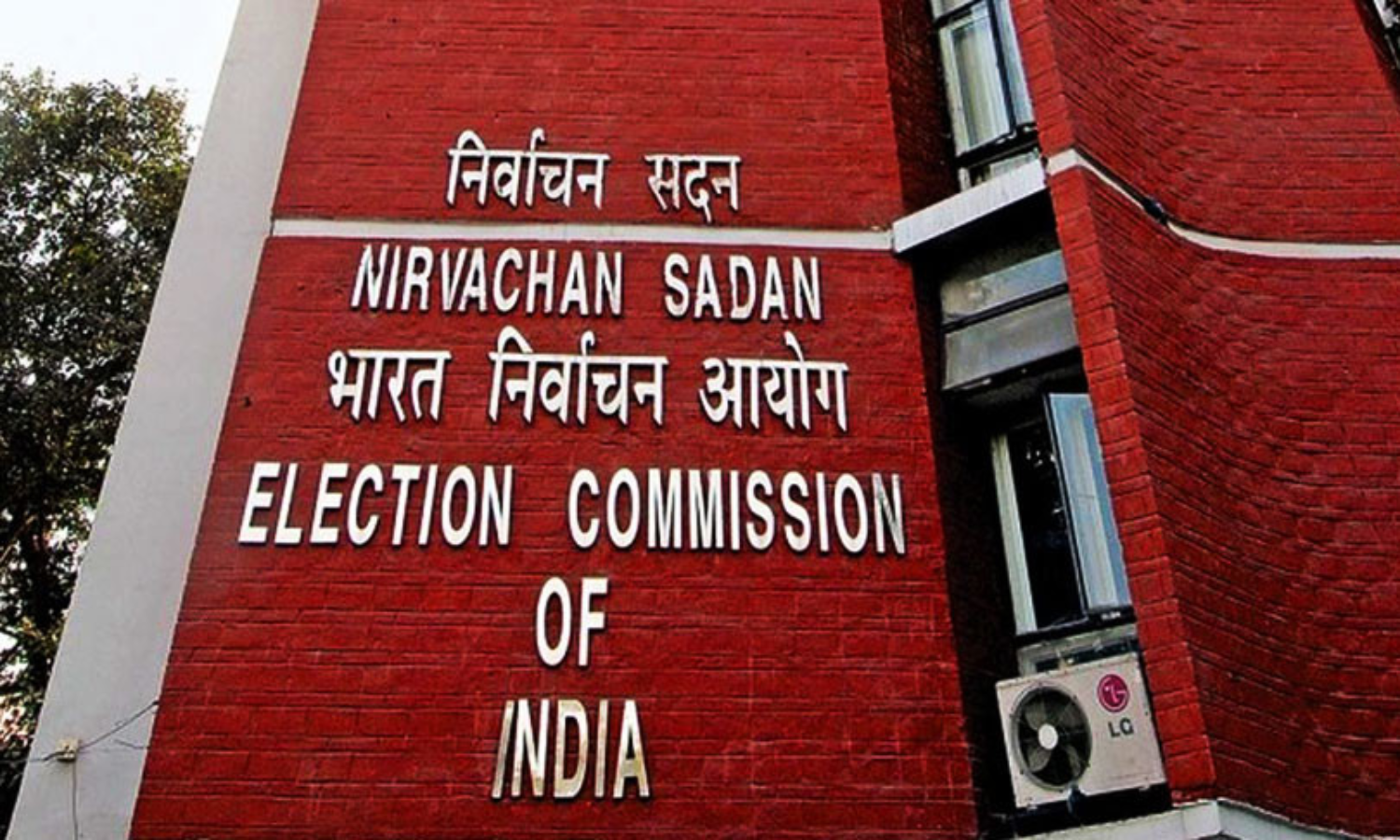
The Election Commission of india faces criticism, after an investigation reveals internal objections procedural lapses, after a voter-roll revision exercise removed more than 130 million names from draft rolls.
Two commissioners object
The Special Intensive Revision (SIR) exercise began in Bihar in June 2025 and has since expanded into several other states. This exercise has been the subject of a national dispute over the alleged procedural lapses and arbitrary application of rules of voter eligibility. Documents described in a published investigation show Election Commissioners Sukhbir Singh Sandhu and Vivek Joshi repeatedly challenged decisions made during the same period.
The objections concerned new registrations, deletions, restorations, appeals against restored voters, and control of the electoral-roll database. Several notes were copied to Chief Election Commissioner Gyanesh Kumar, and some were addressed to Deputy Election Commissioners working under the two commissioners. ” Sandhu and Joshi later wrote separately to the Cabinet Secretary over work-allocation changes that they said reduced oversight of the IT systems behind the rolls.
Form 6 becomes a flashpoint
One dispute centered on Form 6, the application used by adult citizens seeking registration as voters. In July, the form began asking whether an applicant, parent, or grandparent “exist” in the “electoral roll of last SIR,” and applicants could not proceed without answering. Joshi had warned on file in May that Form 6 could not be altered that way unless the government amended the rules, and Sandhu agreed, according to the documents. ”
The legal argument rests on the Election Commission’s structure under Article 324 and the 2023 law governing the appointment and service of commissioners. Section 18 says Commission business should be conducted unanimously “as far as possible,” and differences should be settled by majority view.
West Bengal appeals pile up
The Commission has long defended roll preparation as a decentralized process led by Electoral Registration Officers, usually Sub-Divisional Magistrates. The voter list sits on two platforms: ERONet and its successor ECINet. But the two commissioners questioned whether local statutory officers were losing full access. Joshi described the issue in May as a “gradual centralisation of the electoral roll database” and proposed an audit of credentials for anyone able to change voter data.
In August, Sandhu wrote that state officials reported they lacked “proper and complete access” to ERONet.
The SIR generated its most contested record in West Bengal. In February 2026, the Supreme Court directed judicial officers to handle the final stage for 6 million voters flagged for “logical discrepancies,” after which the Commission deleted 2.7 million electors.
The Commission later told the court that tribunals had 3.8 million pending appeals. Of those, 2.2 million were filed by deleted voters seeking restoration, while 1.6 million challenged voters included by judicial officers; the Commission did not identify who filed the second group.
Sandhu asked officials in August who had authorized appeals filed in the Commission’s name against voters whom judicial officers had included. He recorded that neither he, Joshi, nor West Bengal’s current Chief Electoral Officer had been told the basis or process for those appeals.
Three paths for the rolls
Goa showed the operational risk in smaller form. After a January 29 Supreme Court order, local EROs found 97 voters eligible for inclusion, but the software did not provide a way to record that decision before the final roll was published.
If tribunal decisions restore large numbers of voters, the immediate effect would be to test the Commission’s administrative capacity and the IT systems used across the sector of election management. For India’s macro picture, the mechanism is political confidence: credible rolls reduce the risk that electoral disputes spill into governance and market sentiment.
If the appeals process instead confirms most deletions, the Commission would face pressure to show that each removal met statutory and judicial standards. If access to ERONet and ECINet remains disputed, the wider election apparatus may need audits, clearer credential controls, and documented approval chains before the next major polling cycle.