Canada population growth slows to wartime-era low
Canada population growth slowed to 0.5% in the year to July 1, the weakest annual pace since wartime records.
Lauren Collins ·
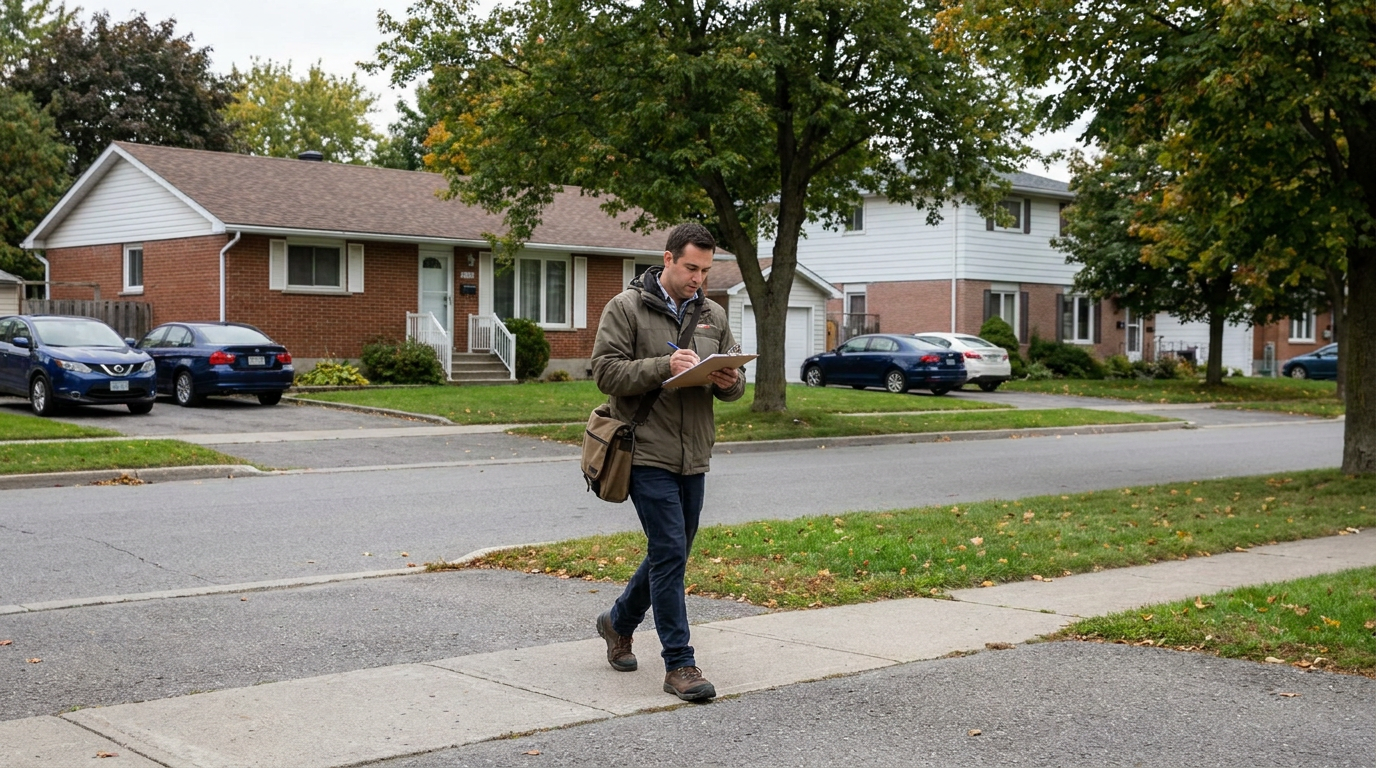
Canada population growth slowed to 0.5% in the year to July 1, leaving the country just under 41.8 million people.
Statistics Canada said Wednesday the annual increase was 189,425 people, the smallest numerical gain for a July-to-July period since 1944 to 1945. On a quarterly basis, the population rose 80,343, or 0.2%, from the prior quarter.
July count nears 41.8 million
The latest figures mark a change from the rapid gains Canada recorded in recent years, when immigration and temporary resident inflows lifted headline population growth. Statistics Canada said the second-quarter increase was the weakest for that period since 2020, when the Covid-19 pandemic began disrupting travel and migration.
The annual pace was also lower than the 0.6% growth recorded between July 1, 2020, and July 1, 2021, when border restrictions were in place during the pandemic. In percentage terms, the agency said the latest July-to-July increase was the smallest since 1915 to 1916, when growth was 0.3%.
Canada’s population still increased, despite earlier estimates that had pointed to a possible annual decline in 2025. Statistics Canada said upward revisions to prior estimates, partly from improved counting of temporary residents, removed what would have been the first recorded annual population drop.
Ottawa tightens temporary entries
The slowdown follows a shift in federal immigration settings announced in late 2024. Ottawa revised its targets after rapid population growth had become a central part of debates over housing, public services and labor-market absorption.
Prime Minister Mark Carney’s government later stepped up the planned reductions, targeting a more than 40% cut in temporary immigrant entries in 2026 and 2027 from current levels. The policy path has been projected to lower temporary immigrants to 5% of Canada’s population in 2027.
The figures show how quickly population momentum can change when temporary flows are adjusted. Permanent immigration, temporary work and study permits, departures, births and deaths all feed into the total, but temporary residents have been a key swing factor in recent estimates.
Bank of Montreal senior economist Robert Kavcic said the country remained in a normalization phase, with population growth expected to stay just above zero through 2027 before returning to a baseline of just under 1%. His forecast ties the near-term path to federal targets that are intended to reduce the temporary-resident share.
Housing and labor channels narrow
For the Canadian economy, slower population growth changes the arithmetic behind demand. Fewer new residents can ease pressure on rental markets and local services, while also reducing the expansion of the consumer base that supports retail, banking and telecommunications.
The labor-market effect is more mixed. Employers that rely on temporary workers or international students may face a smaller pool of new applicants, while slower labor-force growth can also reduce the pace at which the economy needs to create jobs to keep unemployment stable.
Housing remains one of the clearest transmission channels. If population growth holds near zero through 2027, demand growth for rental units and entry-level housing should slow relative to the surge years, although the effect will depend on construction levels, household formation and where arrivals are concentrated.
If Ottawa keeps the temporary-entry cuts on track, Canada’s macro picture would likely shift toward slower domestic demand growth, with the federal government’s population targets doing more of the adjustment work. For housing, education and service industries, the mechanism would be fewer new customers and workers entering the system each year.
If the targets are delayed, loosened or offset by stronger permanent migration, the population path could firm again. The main open question is whether the 5% temporary-immigrant share projected for 2027 is reached without creating labor shortages in sectors that built staffing plans around higher inflows.