Middle East peace stalls as Trump resists Iran timeline
President Trump’s comments on Iran and Oman added pressure to Middle East peace efforts as Lebanon fighting flared again.
Lauren Collins ·
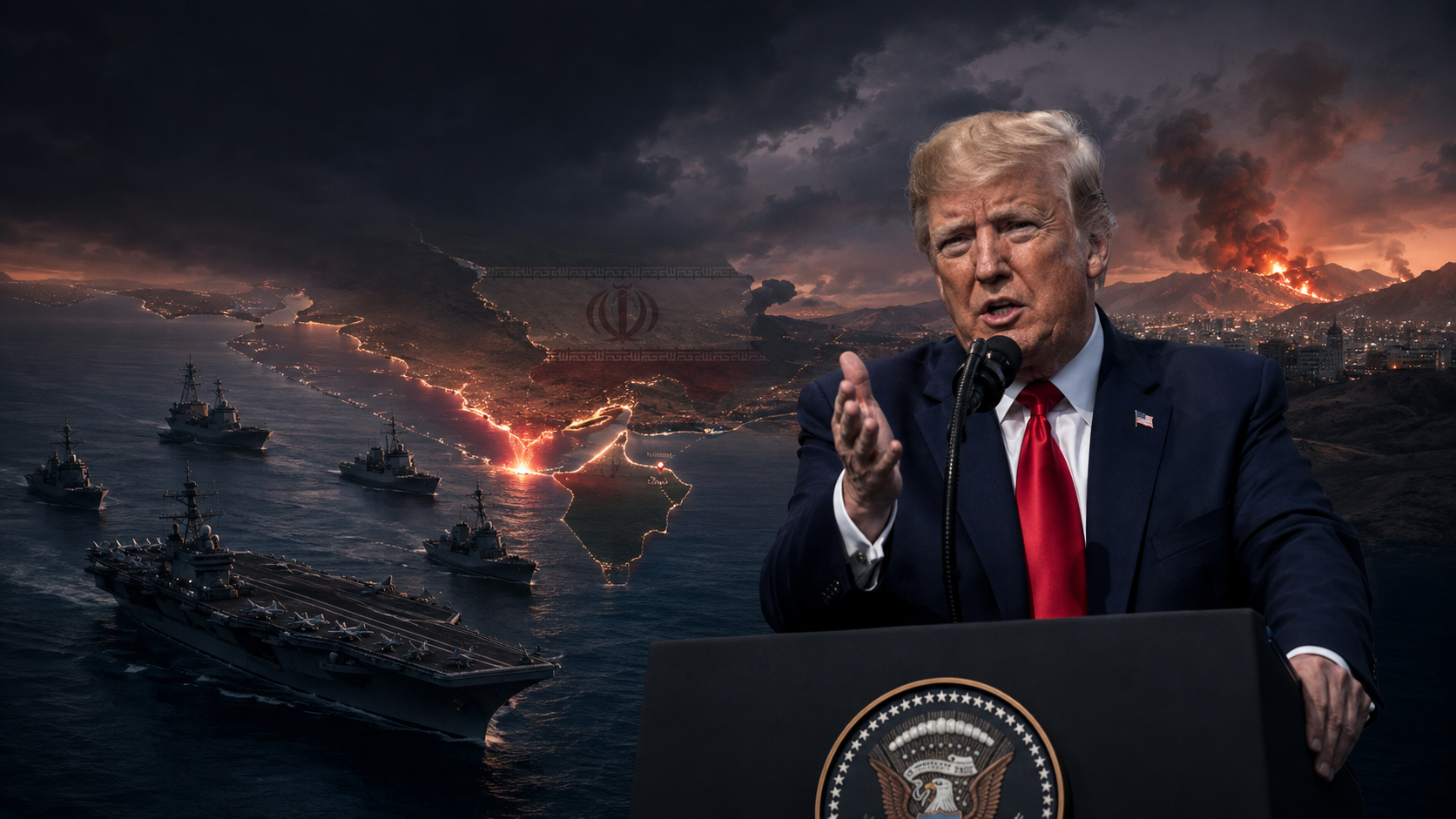
President Trump put Middle East peace under fresh strain, citing a blockade on Iranian ports and giving no deadline for talks.
The remarks were attributed to a reported phone interview, making the account single-sourced in the material provided. The White House, Oman and Iran were not quoted in the source text, and no separate casualty figures or market data were included.
Trump leaves Iran timeline open
Trump said a US maritime blockade aimed at Iranian ports is increasing pressure on Tehran, according to the reported account. He also said he was not working to a set schedule for ending the conflict, a stance that narrows the near-term room for mediators to claim momentum.
Deadlines can discipline negotiations, even when the parties remain far apart. Without one, Iran has less evidence that Washington is seeking a quick settlement, while US officials retain flexibility over sequencing and leverage.
Oman threat complicates mediation
The most sensitive part of the reported interview concerned Oman, which the source material says is in talks with Iran over management of the Strait of Hormuz. The US is not described as a participant in those discussions, leaving Muscat exposed between Tehran and Washington.
Trump was reported to have threatened military action if Oman obstructed US aims, but the account gave no operational details. A similar warning was attributed to him in May, giving the latest remark a prior reference point rather than making it a standalone escalation.
The Strait negotiations sit where diplomatic process and military posture overlap. Oman’s role gives Iran a channel outside direct US participation, while Washington’s absence limits its ability to shape the talks from inside the room.
Lebanon fighting adds pressure
Lebanon adds another layer to the regional picture, though the provided material is sparse. It says fighting resumed there but does not identify the location, the armed groups involved, or whether the violence is connected to the Iran war.
The sequencing is important: comments on Iran, a warning involving Oman, and renewed fighting in Lebanon now sit in the same regional news cycle. That does not prove coordination, but it gives policymakers more than one possible escalation channel to manage.
That gap matters for sizing the risk. Localized clashes would carry a different policy burden than a wider confrontation, especially for governments trying to prevent parallel crises from feeding into each other.
Hormuz talks set commercial stakes
The commercial channel runs through ports, shipping and energy logistics rather than any named company in the source material. If the blockade remains central to US strategy, insurers, shipowners and commodity traders may focus on port access, routing decisions and the rules being discussed by Oman and Iran.
If Oman and Iran settle on a management framework for the Strait that Washington can tolerate, the immediate pressure on maritime planning could ease. If the US rejects those arrangements or Oman is seen as blocking US objectives, the same talks could become a trigger for military risk rather than a release valve.
Washington keeps leverage costly
For the global economy, the mechanism is not a verified price move; no current oil, currency or freight figures were provided. The channel is policy uncertainty around Iranian ports and the Strait, which can affect expectations for energy supply chains before any confirmed disruption appears in data.
For Trump, the advantage of an open-ended timeline is negotiating space. The cost is that mediators and markets receive fewer signals about what would count as success, and Iran has fewer public markers against which to judge US intentions.
For the region, the immediate test is whether the Lebanon flare-up stays separate from the Iran conflict and whether Oman can continue its talks with Tehran without becoming a target of US pressure. If those tracks hold apart, diplomacy retains a narrow channel; if they merge, the conflict becomes harder to contain through port pressure alone.