Romania confidence vote tests Vestea cabinet math
Romania confidence vote plans put PM-designate Adrian Vestea’s cabinet on track for a Monday test, but opposition signals leave the outcome uncertain.
Claire Dubois ·
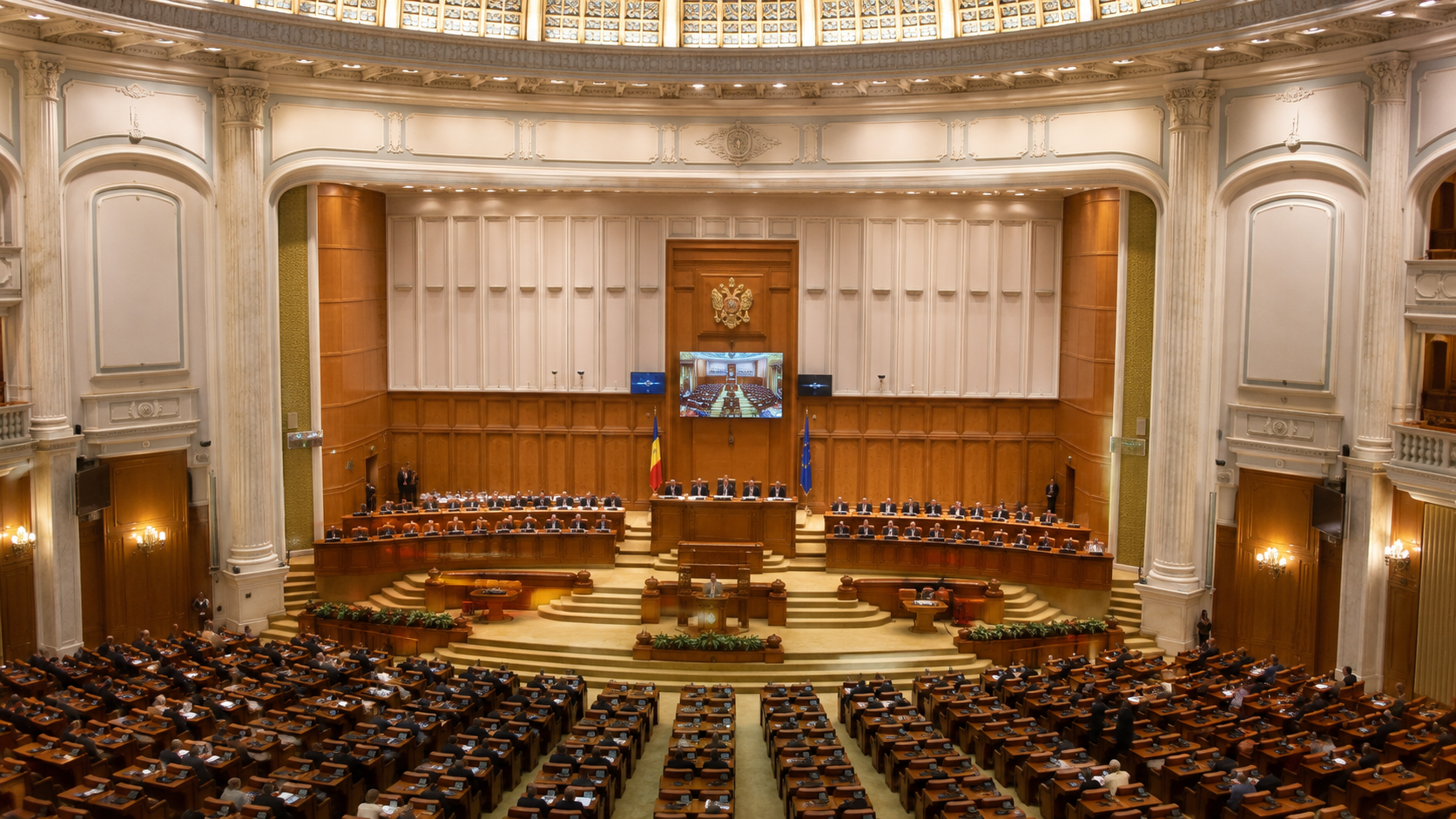
Romania confidence vote plans for a new cabinet were expected to move ahead Monday, putting Prime Minister-designate Adrian Vestea under immediate pressure to prove he can assemble a majority.
Vestea, 52, is seeking parliamentary backing after unveiling his proposed ministerial team on Sunday. While the Social Democrats, Romania’s largest party, have said they will support him, multiple other blocs have signaled they will not.
Late-night Bucharest debate set as vote nears
A debate on the confidence motion was scheduled to begin at 9:30 p.m. in Bucharest, according to Digi TV. The broadcaster did not provide details on the sourcing of the timing.
The late-hour session underscores the urgency Vestea has attached to the process, as he has argued for rapid parliamentary approval. Romania’s government formation rules require a successful confidence vote before the cabinet can take office.
To be confirmed, Vestea must secure at least 233 votes in the legislature. That threshold is pivotal in a parliament described by lawmakers as fragmented and increasingly polarized.
Support from Social Democrats, but coalition cracks widen
The Social Democrats’ pledge to vote in favor gives Vestea a major source of votes, but it does not guarantee a majority on its own. The nominee’s prospects are complicated by the stance of parties that previously cooperated in a pro-European coalition.
Three of the four former pro-European coalition parties have indicated they will not back the cabinet, including Vestea’s own Liberal Party. That refusal is politically notable because it suggests Vestea is seeking to lead without unified support from the party associated with his nomination.
Adding to the headwinds, the main far-right party has also said it will vote against the proposed government. Together, the defections raise the likelihood that Vestea will need to rely on narrower, less predictable vote margins from other lawmakers to reach 233.
What the numbers mean for Romania’s next government
The confidence vote is less about the names in the cabinet lineup than about whether a workable majority can be sustained afterward. A tight or contested win would leave the incoming administration vulnerable to future no-confidence challenges and difficult budget negotiations.
The standoff also highlights an emerging pattern in Romanian politics: support for governing arrangements is becoming more transactional, even among parties that share broad pro-European positioning. When former coalition partners move into opposition, governing becomes harder even if there is agreement on headline priorities.
For markets and institutions, the immediate issue is continuity of decision-making, since delayed government formation can slow legislation and administrative approvals. The vote’s outcome will determine whether Romania enters the next period with a confirmed cabinet or faces renewed bargaining among parties.
If Vestea falls short of 233 votes, parliament would likely return to negotiations over a new governing formula and a fresh confirmation attempt. If he clears the hurdle, attention will shift quickly to whether his parliamentary support can hold beyond the initial vote.