U.S. and Iran Advance Peace Talks After Hormuz Standoff
U.S. and Iranian negotiators made progress on a 60-day peace framework in Switzerland, easing oil-market pressure despite unresolved regional disputes.
Lauren Collins ·
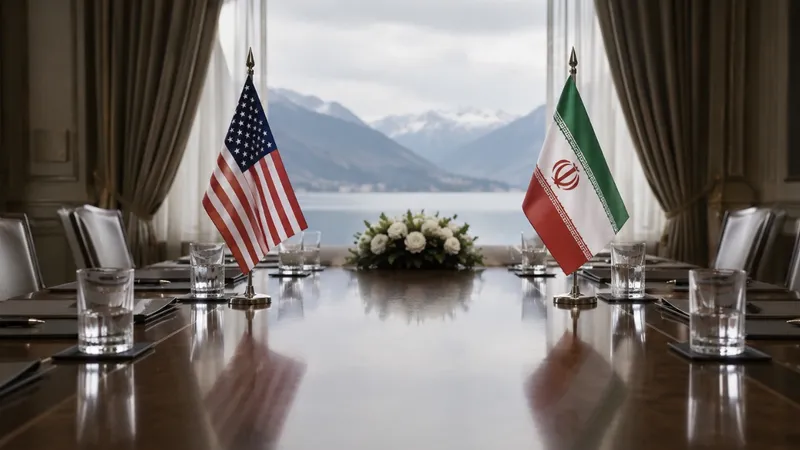
U.S. and Iranian officials left an initial round of Swiss talks with a tentative framework to keep negotiations alive for 60 days, according to mediators Qatar and Pakistan, giving both sides a narrow diplomatic channel after months of war. The discussions, held at the Bürgenstock resort near Lake Lucerne, covered a ceasefire extension, safe passage through the Strait of Hormuz, Lebanon, sanctions relief and the nuclear file. Vice President JD Vance led the U.S. side under an interim understanding reached earlier this month, while Iranian officials pressed for economic concessions before deeper nuclear talks. The outcome did not amount to a final settlement, but it gave markets and regional governments a concrete schedule after a weekend that began with fresh threats and maritime disruption.
Hormuz Pressure Forced Urgency
The immediate trigger was the Strait of Hormuz, where Iran again restricted traffic after accusing Washington of failing to stop Israeli operations against Hezbollah in Lebanon. The waterway is one of the world’s most sensitive energy corridors, and any interruption there can quickly feed into crude, fuel and shipping costs far beyond the Gulf. Mediators said the parties agreed to open a communications channel designed to prevent commercial vessels from being caught in military escalation. That mechanism matters because the talks are not just about diplomacy; they are also about whether oil tankers, container ships and LNG cargoes can move without becoming leverage in a wider conflict.
Bürgenstock Revives an Old File
The Switzerland round revived a familiar U.S.-Iran pattern: nuclear bargaining wrapped inside broader disputes over sanctions, regional militias and military deterrence. Iran’s foreign minister, Abbas Araqchi, said Tehran had secured waivers tied to energy sales, access to some blocked funds and a reconstruction plan, according to the source text. Those claims fit Iran’s core negotiating demand, which is to receive visible economic relief before accepting limits that Washington can sell as a security gain. For the U.S., the challenge is different: the administration needs a deal that constrains Iran’s nuclear program while reassuring Israel and Gulf partners that sanctions relief will not strengthen Tehran’s military network.
Lebanon Complicates the Deal
Lebanon is the hardest test of the new framework because it links Iran’s conduct to Israel’s battlefield decisions and Hezbollah’s calculations. Mediators said negotiators discussed a mechanism to reduce fighting between Israel and Hezbollah, while Vance argued that progress had been made despite continuing violence. Iran has treated Lebanon as a measure of whether Washington can enforce commitments by its allies, saying unresolved fighting there justified renewed pressure at Hormuz. Israel’s president, Isaac Herzog, said Israel was not opposed to a diplomatic end to the war, but any released money would need safeguards to prevent it from funding Iran’s military or regional partners, according to the source text.
Oil Traders Read the Signal
The market response was fast because traders had already priced in the risk that Hormuz could become a prolonged chokepoint. Brent crude fell below $80 a barrel after the Switzerland statement, with reports showing prices down around yüzde 2 as the roadmap reduced fears of an immediate supply squeeze. That drop reflected relief rather than confidence: oil remains sensitive to shipping data, naval movements, insurance costs and any sign that Iran is again using the strait as bargaining power. The source text said only five vessels moved through the strait on Sunday, down from 26 the previous day, though ship-tracking figures can miss vessels that disable transponders in high-risk waters.
Gulf Shipping Meets Nuclear Bargaining
The talks also show how the war has merged regional security and global economic risk into one negotiation. A nuclear discussion that once centered on enrichment levels and inspections now sits alongside shipping guarantees, port access, Hezbollah fire and Iranian export waivers. That gives each side more room to trade concessions, but it also creates more ways for the process to break down. A shipping incident, a strike in Lebanon or a dispute over frozen assets could derail nuclear discussions before technical teams finish the details later this week.
The Fragile Test Begins
The next stage will determine whether the Swiss track is a bridge to a final deal or another pause before renewed escalation. Technical teams are expected to continue talks through the week, with mediators trying to convert broad promises into procedures covering the strait, Lebanon, sanctions waivers and nuclear commitments. The main uncertainty is enforcement: Iran wants economic relief early, the U.S. wants security guarantees, and Israel wants proof that money released to Tehran will not flow to armed groups. The forward implication is clear: if the 60-day track holds, oil markets may keep shedding the war premium; if it fails, Hormuz and Lebanon could quickly become the two fronts that pull the region back toward direct conflict.