Water Scarcity Triggers Emergency Status Across Greek Islands
At least 12 Greek islands have declared a state of emergency as dwindling water reserves force local authorities to implement urgent supply restrictions.
Atlas Newsdesk ·
Emergency Measures Initiated
Authorities in Greece have officially declared a state of emergency across at least 12 islands to combat a deepening water crisis. This administrative move follows a significant decline in local reservoirs and persistent challenges in maintaining consistent water supplies for residents and visitors alike.
The emergency designation serves as a legal mechanism, allowing municipal governments to bypass standard bureaucratic hurdles. By streamlining procurement and infrastructure spending, local officials aim to secure alternative water sources and implement rationing protocols more effectively.
Operational Impact and Constraints
Under these new mandates, local administrations are empowered to prioritize water distribution based on immediate public necessity. Practical measures often include strict limits on non-essential usage, such as irrigation for agriculture or the filling of swimming pools, alongside heightened monitoring of high-consumption sectors like tourism.
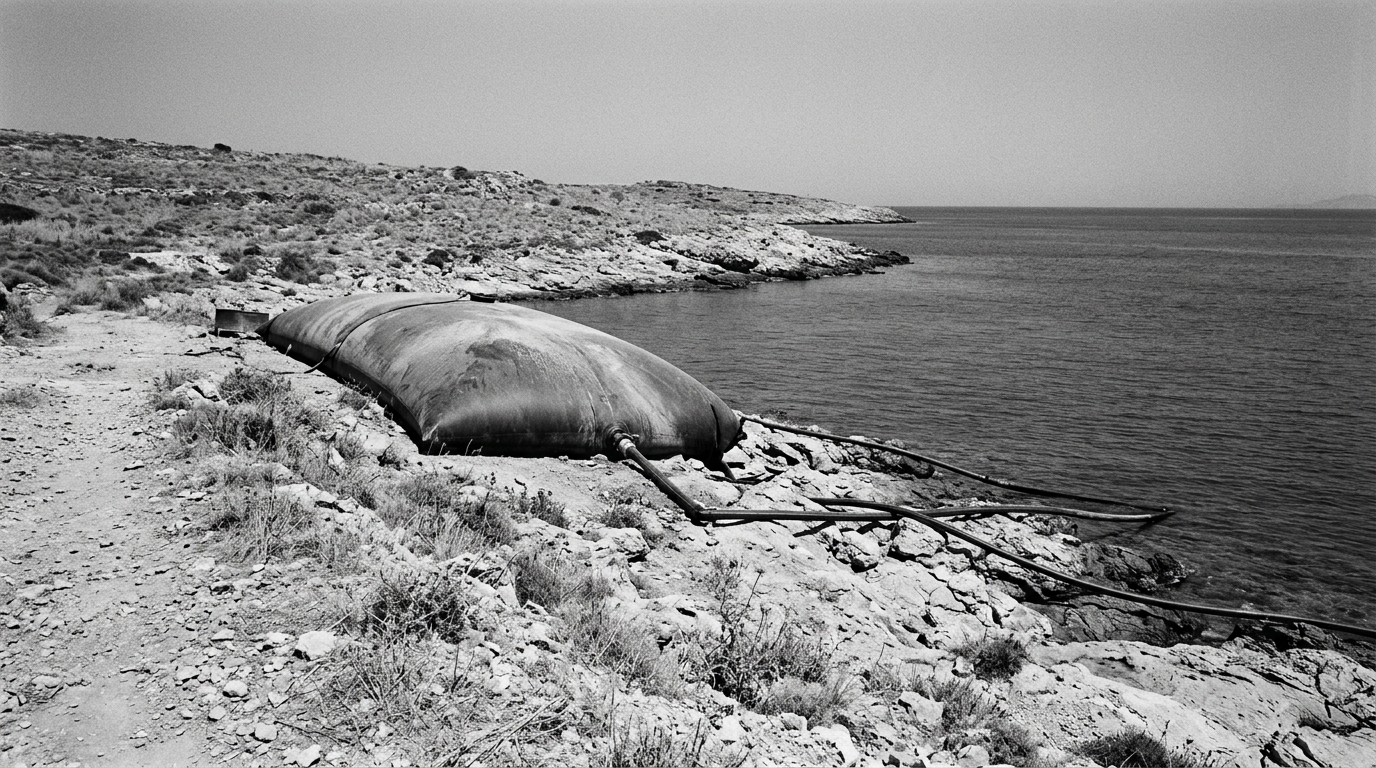
In several locations, the situation has necessitated the deployment of water tankers to supplement existing storage capacities. These islands typically rely on a combination of groundwater extraction and small-scale reservoirs, both of which are struggling to replenish due to shifting climate patterns and seasonal population surges.
Economic and Infrastructure Challenges
The volatility in water availability poses a direct threat to the tourism-dependent economies of these regions. Hospitality businesses and local service providers face significant uncertainty, as potential supply interruptions could impact service quality and increase operational costs.
Beyond immediate consumption, the crisis creates secondary risks for sanitation and wastewater management. If current trends persist, local authorities may be forced to further tighten restrictions to ensure that public health standards remain protected, potentially affecting local agricultural output and livestock management.
Future Outlook and Mitigation
While the current state of emergency focuses on short-term crisis management, officials indicate that long-term stability will require substantial infrastructure investment. Priorities moving forward include the modernization of aging distribution networks to reduce leakage and the expansion of storage facilities.
Experts suggest that desalination and water recycling technologies could offer viable alternatives, though these solutions carry high energy costs and environmental considerations. Consequently, the success of these initiatives will depend on tailored planning that accounts for the unique geographical and economic profile of each island.