Italy passes electoral reform ahead of 2027 national vote
Italy's lower house approved electoral reform by 227 votes to 164, reshaping the rules for a national election scheduled for 2027.
Claire Dubois ·
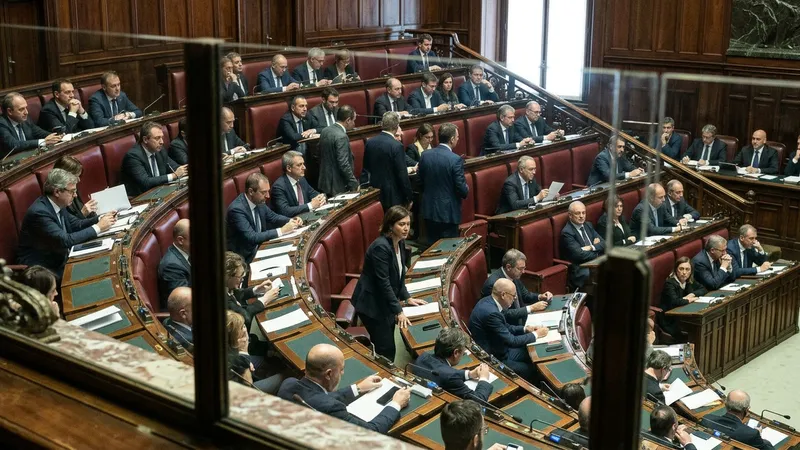
Italy's lower house approved electoral reform by 227 votes to 164, reshaping the rules for a national election scheduled for 2027.
The October 8, 2026, secret ballot completed passage of legislation backed by Prime Minister Giorgia Meloni. The changes link a guaranteed parliamentary majority to an alliance securing more than 42% of votes and require competing political groups to identify their preferred prime minister before polling day.
Meloni presents the legislation as a means of making governments more durable. Center-left opponents accuse her administration of rewriting the rules to preserve its hold on office, a dispute that places the design of the election itself inside the campaign contest.
A vote threshold unlocks extra seats
The legislation replaces a mixed system with proportional representation supplemented by a majority bonus. Previously, roughly two-thirds of parliamentary seats were allocated proportionally; constituency contests decided the remaining share.
The distinction between votes and seats is central to the reform. An alliance exceeding the 42% threshold would receive enough additional seats to command a parliamentary majority, rather than relying solely on its proportional allocation.
That guarantee is conditional, not an assurance that the election will produce a majority government. If no alliance clears the threshold, the bonus described in the legislation would not provide a qualifying winner; the outcome therefore depends on both voter support and coalition formation.
Prime Minister Giorgia Meloni defended the measure in a post on X after passage: "Whoever wins must be able to govern." Democratic Party leader Elly Schlein rejected the suggestion that changing the electoral framework would prevent an opposition victory.
Opposition faces a leadership choice
A separate provision requires every alliance, and every party contesting the election independently, to designate a prime ministerial candidate in advance. The requirement brings leadership negotiations into the period before voters cast their ballots.
For the center-left, that creates a decision involving its principal forces, the Democratic Party and the 5-Star Movement. Schlein and Giuseppe Conte, the former prime minister who leads the latter party, disagree over who should lead a government if their alliance wins.
If those parties agree on a candidate, they would settle one leadership dispute before the election. If they remain divided, the designation requirement would leave them negotiating not only an electoral partnership but also who would head it.
Party leaders retain candidate selection power
The governing alliance also struggled to agree on the legislation, which needed four parliamentary votes to complete its passage. Coalition disagreements focused on how much influence voters should have over the candidates elected from party lists.
Allowing voters to express candidate preferences would reduce leaders' control over parliamentary selection. The eventual compromise gives priority to candidates heading the lists, preserving party chiefs' ability to shape much of their future parliamentary representation.
The next electoral test involves two distinct conditions: assembling alliances capable of exceeding 42% and agreeing on their proposed leaders. Meloni has secured the rules she advocated, but their majority guarantee applies to whichever alliance qualifies, not automatically to the government that enacted them.