Starmer resignation sets Labour race ahead of September
Starmer resignation plans set a Labour leadership contest with nominations opening July 9 and a new leader expected before Parliament returns in September.
Lauren Collins ·
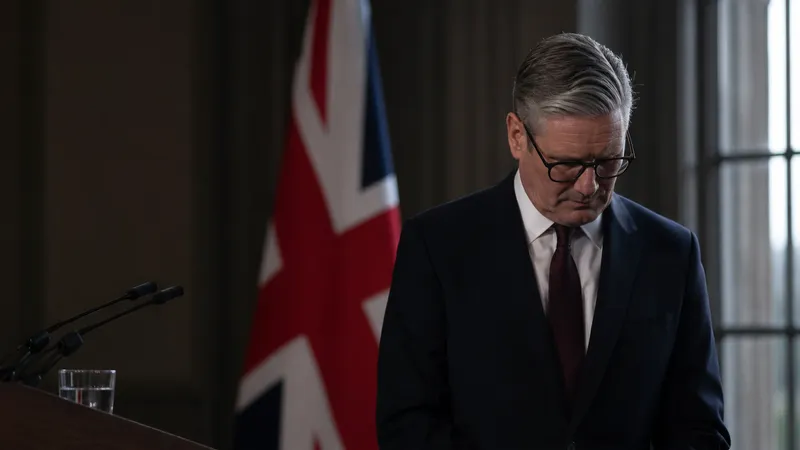
Starmer resignation plans are set to trigger a rapid Labour leadership contest, with a new leader expected before Parliament returns in September.
Prime Minister Keir Starmer said on June 22 he would step down, acknowledging that Labour lawmakers no longer believed he was the right person to lead the party into the next general election. He said he would resign and that the party would have a successor in place by the time Parliament reconvenes after the summer.
The timetable would make Britain’s next prime minister the country’s seventh leader in about a decade, underscoring how quickly power has changed hands at the top of UK politics in recent years. Starmer’s announcement comes less than two years after he secured a landslide election win that was billed as a break from years of instability.
Leadership contest to open July 9
Starmer said nominations to replace him will open on July 9. He did not endorse a successor, but the contest is already being framed around Andy Burnham, the mayor of Greater Manchester, who is widely viewed as the leading contender.
In his resignation statement, Starmer presented the decision as a response to internal party judgement rather than a personal choice. He said he had listened to Labour’s parliamentary party and would accept its view “with good grace.”
The leadership transition is designed to be concluded before MPs return in September, limiting the period of uncertainty in Westminster. A compressed schedule also raises the stakes for candidates who must quickly demonstrate support among MPs and, depending on party rules, the wider membership.
Burnham’s by-election win reshapes the field
Pressure on Starmer had been building for months, according to the account of events around his decision. The immediate catalyst, however, was a sharp shift in Labour’s internal mood after Burnham won a parliamentary by-election on Friday to return to Westminster.
Burnham defeated a candidate from Nigel Farage’s Reform UK in that contest. The result landed at a moment when Reform UK has been topping national opinion polls for more than a year, making the win significant for a Labour Party looking for a way to counter a populist challenge.
For Labour lawmakers, Burnham’s victory offered a concrete example of electoral momentum against an opponent they see as a growing threat. The by-election result also strengthened the case for a leader seen as a strong communicator, a contrast drawn by some within the party as Starmer’s personal ratings deteriorated.
Political context and immediate implications
Starmer’s departure sets up a major reset for the governing party at a time of volatile public opinion. Labour has been losing support during Starmer’s premiership, and his approval levels have fallen to what the report described as the lowest for any British leader.
A swift change at the top may calm internal tensions but could also invite renewed scrutiny of policy direction and party discipline. With a new leader expected before Parliament returns, the next prime minister will inherit both the authority of office and the pressure to show early results in the Commons.
Burnham’s standing as frontrunner will likely draw attention to how Labour positions itself against Reform UK and how it rebuilds trust with voters who drifted away under Starmer. The July 9 opening of nominations is the next clear milestone, with the party aiming to complete the handover before September’s parliamentary restart.