Trump warns Iran again as Vance discusses Hormuz in Geneva
Vance Iran talks in Switzerland shifted from the nuclear file to Lebanon violence and Iran’s Strait of Hormuz threat as Trump warned Tehran over Hezbollah.
Lauren Collins ·
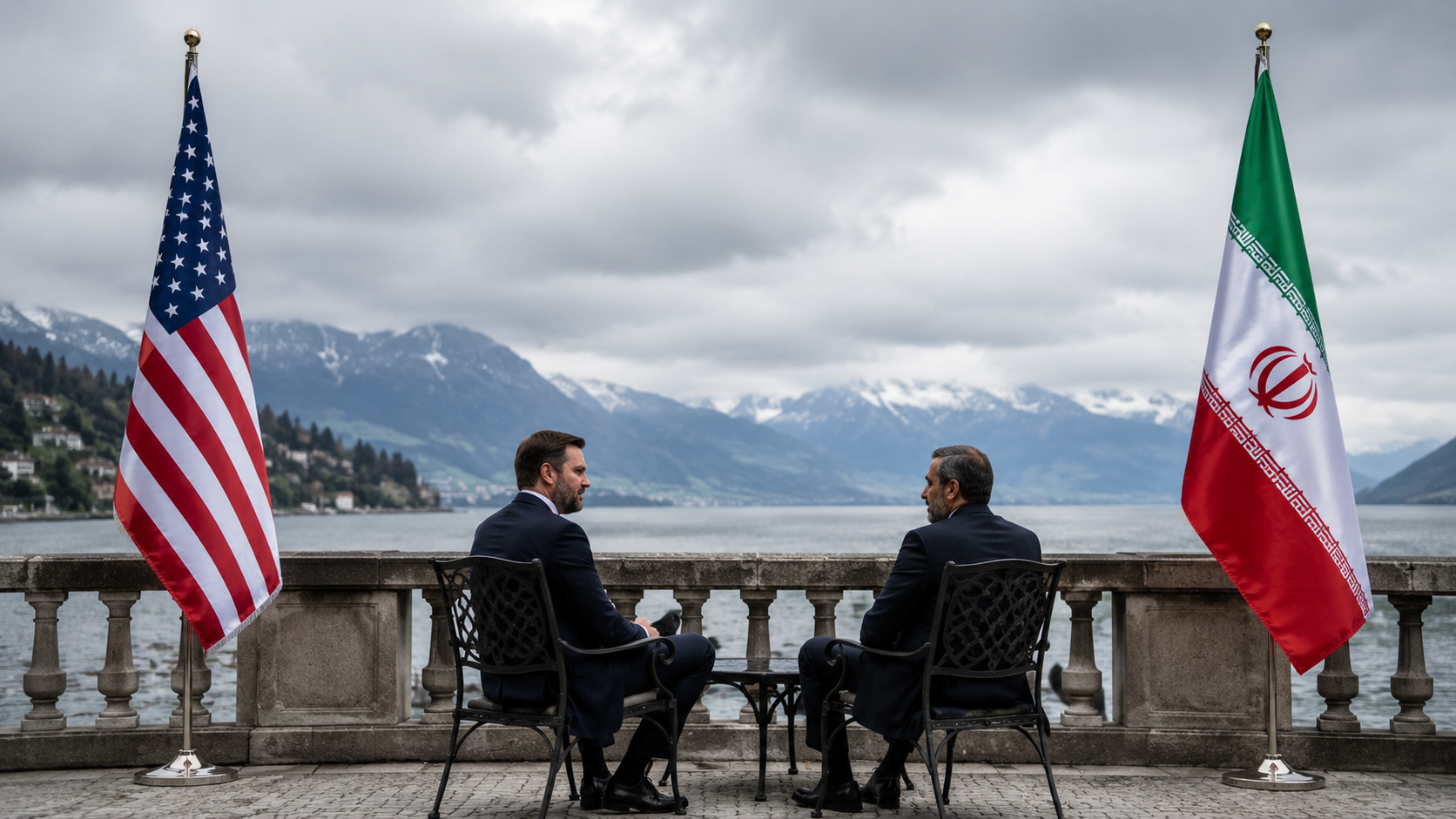
Vance Iran talks in Switzerland took an unexpected turn after renewed violence in Lebanon pushed regional security and shipping risks ahead of nuclear issues.
Vice President JD Vance traveled to Switzerland for discussions with Iranian representatives that U.S. officials had expected to emphasize Tehran’s nuclear program. Instead, the agenda was overtaken by a Lebanon flare-up and Iran’s declaration that it was closing the Strait of Hormuz.
Lebanon violence and Hormuz disruption move to the forefront
The talks were intended to focus on the nuclear dossier, a long-running flashpoint between Washington and Tehran. The immediate focus shifted when violence in Lebanon escalated, drawing attention to Iran’s relationship with Hezbollah and the risk of a wider regional confrontation.
Iran responded to the Lebanon developments by saying it was closing the Strait of Hormuz. The strait is a strategic maritime corridor linking the Persian Gulf to global markets, and threats to restrict passage are closely watched for their potential to disrupt energy shipments and commercial traffic.
Officials did not provide details on how Iran would implement such a closure or how long it would last. Even short-lived uncertainty around Hormuz can raise concerns among governments, shippers, and energy consumers because rerouting options are limited and shipping insurance costs can rise quickly.
Mixed messages from Washington after the first round
After the initial round of discussions, Vance projected confidence about the engagement, describing the opening phase in positive terms. His tone suggested the U.S. side was seeking to keep channels open despite the broader escalation.
President Donald Trump struck a different note, using social media to criticize Iran and to issue a renewed warning. Trump threatened further military action if Tehran does not curb Hezbollah, placing the Iran-backed group at the center of U.S. demands as the Lebanon crisis intensifies.
The contrast in messaging underscores the dual-track pressure and diplomacy approach that has often shaped U.S.-Iran interactions. High-level talks can proceed while public statements raise costs for noncompliance, though such signals can also complicate negotiating space if they harden positions.
What the shift means for the nuclear agenda and regional stability
The fact that the nuclear program was not the dominant topic highlights how quickly regional events can reorder priorities. For negotiators, crisis management around Lebanon and Hormuz can become a prerequisite to returning to longer-term nuclear issues.
The Iran-Hezbollah link is especially sensitive because it bridges diplomacy and security policy. Any U.S. demand that Iran “rein in” Hezbollah implies Tehran has leverage and responsibility, a framing Iran has often disputed even as it is widely viewed as a key supporter.
Next steps are likely to hinge on whether the immediate crisis cools and whether the Strait of Hormuz remains under threat. Continued talks could be shaped by developments on the ground in Lebanon, Iran’s posture toward maritime traffic, and Washington’s willingness to balance deterrence with sustained diplomatic engagement.