Trump Claims Iran Hostilities Over, Skirts War Powers Act
A major constitutional clash is unfolding over the War Powers Resolution as the White House declares an end to Iran hostilities to avoid a key deadline.
Lauren Collins ·
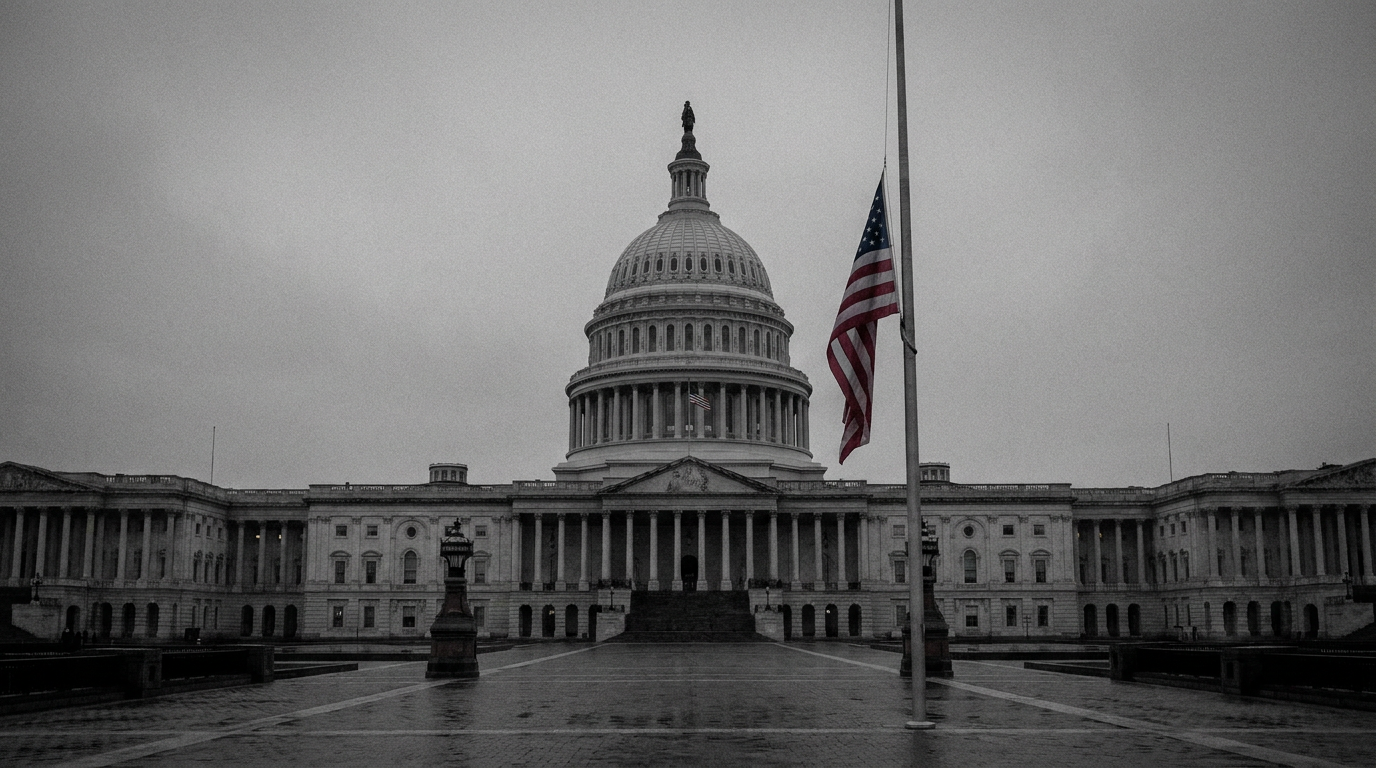
Constitutional Clash Over Presidential Authority
A major constitutional clash is unfolding over the War Powers Resolution as the White House declares an end to Iran hostilities to avoid a key deadline. President Trump informed congressional leaders Friday that active conflict with Iran has “terminated,” a move aimed at bypassing a 60-day legal limit on unauthorized military action.
The maneuver intensifies a long-standing debate over the balance of power between the executive and legislative branches in committing U.S. forces to battle. At the core of the dispute is the 1973 War Powers Resolution, a post-Vietnam law designed to give Congress a direct role in sanctioning prolonged military engagements.
The conflict began on February 28, 2026, when the United States and Israel conducted large-scale strikes against Iranian targets. This move triggered the law’s provisions when the president officially notified Congress on March 2, starting a 60-day countdown for lawmakers to authorize the mission or force a withdrawal.
A Ceasefire or a Legal Loophole?
The administration's legal strategy hinges on an April 7 ceasefire. In letters to House Speaker Mike Johnson and Senator Chuck Grassley, the president stated that no exchange of fire had occurred since that date, and therefore the “hostilities” had legally concluded before the 60-day period expired.
Defense Secretary Pete Hegseth reinforced this position during Senate testimony on Thursday. “We are in a ceasefire right now, which our understanding means the 60-day clock pauses or stops,” Hegseth told the Armed Services Committee.
However, this interpretation has drawn sharp criticism from lawmakers who argue a temporary pause in fighting does not nullify the statute's requirements. Democratic Senator Tim Kaine of Virginia stated, “I do not believe the statute would support that,” adding that the deadline poses a “really important legal question for the administration.”
Military Posture Contradicts 'Terminated' Hostilities
Despite the declaration, the U.S. military maintains a significant and aggressive posture in the region, raising questions about whether hostilities have truly ended. More than 50,000 American service members remain deployed across the Middle East, and the U.S. continues to enforce a naval blockade of Iranian ports, which is widely considered an act of war.
Furthermore, administration officials have emphasized their readiness to resume strikes imminently. Secretary Hegseth recently warned that the U.S. military is “locked and loaded” and prepared to act “at the push of a button” under the president’s command.
President Trump himself expressed skepticism about the law's validity Friday, telling reporters that past presidents have considered it “totally unconstitutional.” This reflects a broader historical trend, as Congress has never successfully invoked the War Powers Resolution to terminate a military conflict against a president’s will.
The standoff leaves the U.S. campaign against Iran in a state of legal ambiguity. While some Republican lawmakers are reportedly drafting legislation to formally authorize the use of force, the immediate dispute underscores the ongoing struggle to define the constitutional limits on presidential war-making power.