Gaza Aid Group Nears Collapse Amid Funding Shortfall
Trump's Gaza Board of Peace faces a critical funding shortfall for its $70 billion reconstruction plan, due to structural issues and donor reluctance.
Lauren Collins ·
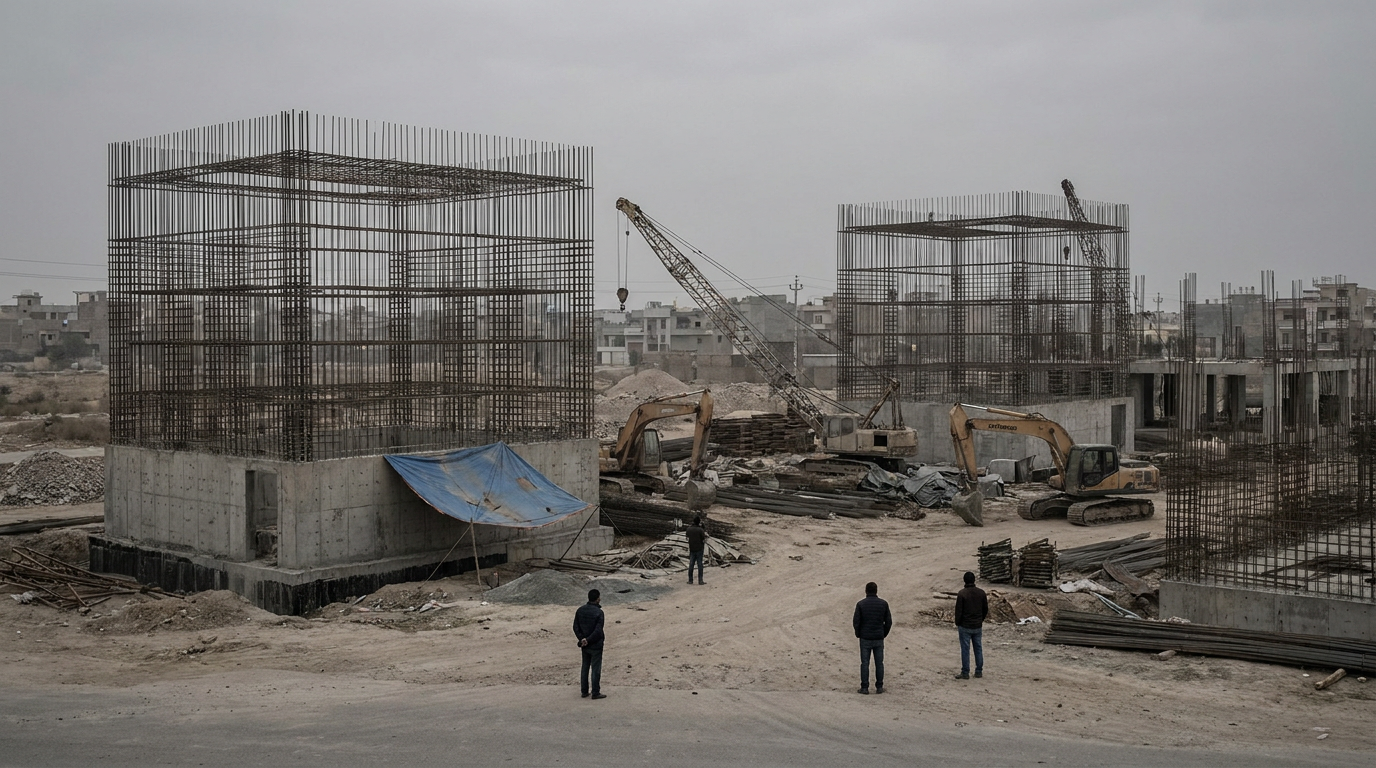
The Board of Peace, established by former U.S. President Donald Trump in January 2026 to oversee the administration and reconstruction of the Gaza Strip, is experiencing a significant funding shortfall, jeopardizing its proposed $70 billion reconstruction plan.
The U.S.-led board has reported a critical gap between financial commitments and actual disbursements, indicating an urgent liquidity crisis. This situation is attributed by experts to the board's controversial structure, the absence of a clear political path for a Palestinian state, and ongoing Israeli military expansion in the region.
Despite public pledges totaling $17 billion
Despite public pledges totaling $17 billion, no actual funds have been disbursed to the ground, according to international aid experts. Donors, including Arab and European nations, are reportedly hesitant to engage with the board due to its perceived lack of political vision and its approach to Gaza as a U.S.
The Board
security protectorate. The board's architecture, which includes a three-tiered governing structure with American billionaires and pro-Israel figures, and a clause allowing permanent seats for a $1 billion contribution, has been criticized as a form of “commercial guardianship.”
Furthermore, the board's funding crisis is intertwined with strict political and security conditions. The U.S. plan for Gaza mandates the disarmament of Hamas and allied Palestinian factions as a prerequisite for reconstruction funds. Critics argue that linking humanitarian financing to military disarmament without offering an independent Palestinian state transforms aid into a tool of political leverage, rather than a genuine humanitarian effort.