Overseas votes face challenge in Peru runoff count
Peru’s overseas votes are set to face a new annulment request as the runoff count nears completion with Keiko Fujimori narrowly ahead.
Sofia Reyes ·
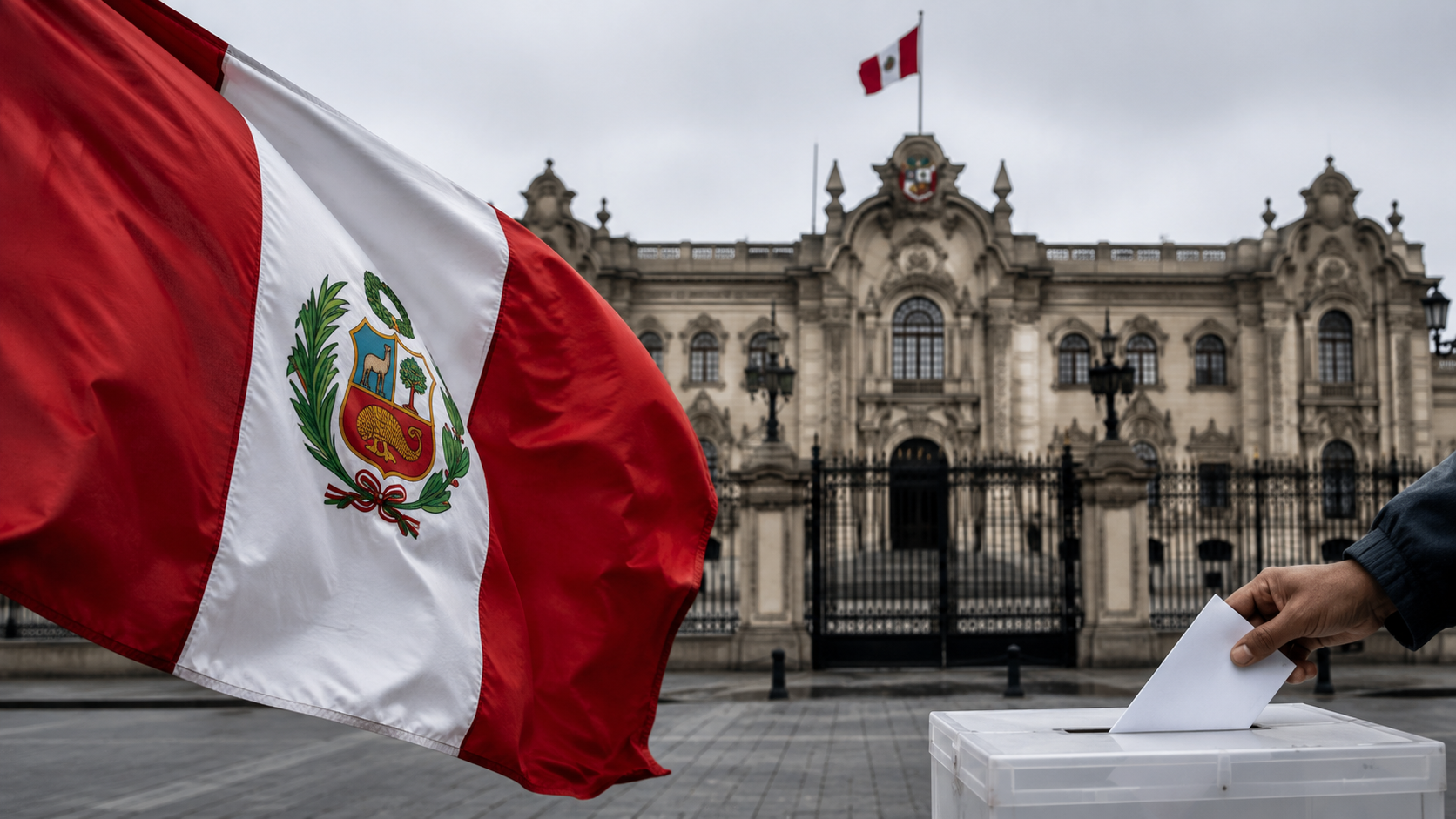
Peru’s overseas votes have become the latest flashpoint in a razor-thin presidential runoff, as leftist candidate Roberto Sánchez prepared a fresh legal push to strike ballots cast abroad.
Sánchez said Saturday that his party will ask electoral authorities on Monday to nullify voting conducted through Peru’s consular offices, escalating a dispute that has tracked closely with the narrowing margin in the national tally.
Annulment request planned as margin stays tight
The announcement came after electoral courts rejected Sánchez’s earlier efforts to overturn results from Lima and the United States, which he claimed were affected by irregularities. He told reporters the new filing will target the entire overseas process rather than individual jurisdictions.
With 99.6% of ballots counted, conservative rival Keiko Fujimori held 50.1% of the overall vote. Sánchez trailed by about 41,000 votes, according to the latest figures cited in the count.
Electoral authorities still have roughly 100,000 contested ballots under review. Those votes are expected to preserve Fujimori’s advantage because many of the challenged tallies come from areas considered favorable to her.
Domestic split: Sánchez leads at home, Fujimori abroad
The divide between voting blocs is central to the legal fight. Sánchez maintained a slim edge in Peru’s domestic vote, also reported at 50.1%, while Fujimori dominated among Peruvians living abroad.
Overseas returns showed Fujimori with 63.2% of ballots cast outside the country. That margin has helped offset Sánchez’s domestic performance and kept Fujimori ahead as the count has approached completion.
Sánchez ran as the political successor to imprisoned former president Pedro Castillo, a connection that has shaped his coalition on the left. Fujimori, a long-standing figure on Peru’s right, has drawn strong support from expatriate voters in this runoff.
Dispute centers on tally handling and process consistency
Sánchez argued that the overseas voting process was compromised because tally sheets were not digitized for the June 7 runoff. He said that practice differed from the first round held in April, and described the change as a procedural shock with “serious impacts.”
To illustrate his point, Sánchez compared the process to altering rules mid-game, saying the shift was akin to changing conditions after play had started. His camp has framed the argument as one of equal standards and consistent safeguards across rounds.
Peru’s foreign ministry and electoral authorities have rejected allegations of irregularities in voting abroad. International election observers have also said the contest was carried out normally, undercutting claims of systemic problems.
The competing narratives now set up a final phase in which legal challenges may run alongside the last steps of verification and adjudication. Even if the remaining disputed ballots do not materially change the leader, the handling of overseas votes could shape public confidence in the result and determine how quickly Peru can move from counting to certification.
Next steps will hinge on how electoral bodies respond to the Monday filing, including whether the request is accepted for review and what evidence is required to justify a broad annulment. Authorities are also expected to continue resolving contested tallies as the final fractions of the vote are formalized.