

Ruling-family cases leave reform uncertain in 6 African states
Research comparing Angola, Gabon, Senegal, Egypt, Tunisia and The Gambia separates punishment of powerful families from institutional change.
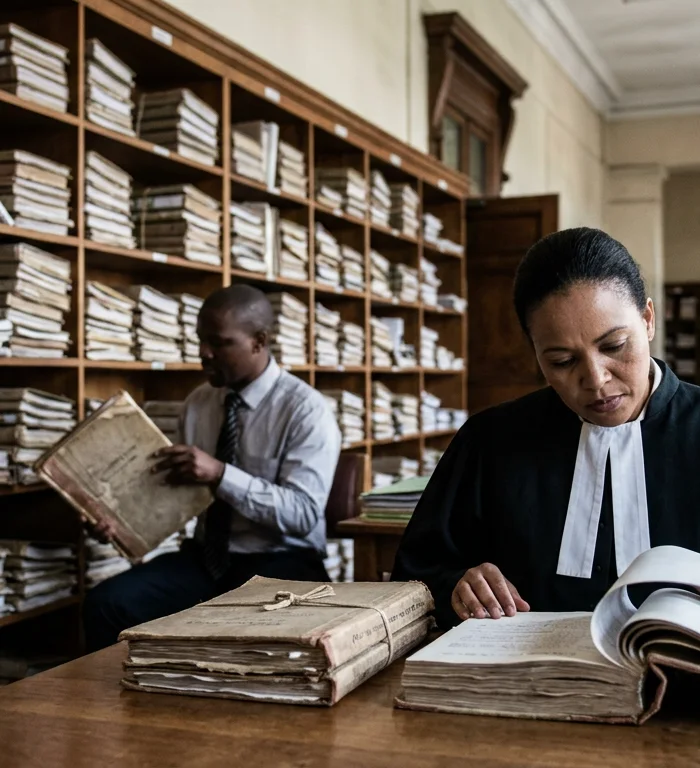
Legal action against ruling families in six African countries left institutional reform uncertain, according to a Nov. 9 article in The Conversation Africa summarising recent research.
The article compared Angola, Gabon, Senegal, Egypt, Tunisia and The Gambia, citing Angola’s 38-year dos Santos family dominance and Gabon’s 56-year Bongo rule as cases where accountability did not necessarily remake power.
The author drew a line between punishing individuals and changing the systems that shielded them. “Accountability is not the same as democratic transformation,” the article said.
The research identified three routes: custodial prosecution, meaning criminal proceedings ending in imprisonment; prosecution in absentia, when defendants are tried while outside court reach; and financial or administrative action, such as asset freezes, confiscations and sanctions.
In Angola, José Filomeno dos Santos, son of former president José Eduardo dos Santos, received a five-year prison sentence in 2020 after a fraud conviction, according to the article. Angola’s constitutional court overturned the conviction in 2024, the supreme court later reinstated it, and Filomeno ultimately received a presidential pardon.
Tunisia offered a different model. Former president Zine El Abidine Ben Ali and his wife were sentenced to 35 years in prison in 2011 while living in exile in Saudi Arabia, the article said. Tunisia later introduced competitive elections and adopted a new constitution in 2014, but the article said those gains weakened after President Kais Saied began concentrating executive authority in 2021.
In The Gambia, former president Yahya Jammeh lost the 2016 election and went into exile in 2017. The new government created the Janneh Commission in June 2017 to examine his finances, and the commission concluded that Jammeh had illicitly obtained more than $360 million through public resources, according to the article. His family did not face a domestic criminal trial; authorities instead used recovery measures and sanctions.
The other cases underscored the same tension. Egypt prosecuted Alaa and Gamal Mubarak, sons of former president Hosni Mubarak, in 2015 and they received three-year prison sentences, while powerful security institutions remained in place, the article said. Senegal sentenced Karim Wade, son of former president Abdoulaye Wade and a former minister, to six years in prison in March 2015 over corruption; the article said elements of the case drew international criticism, including a UN finding that his detention was arbitrary.
Gabon prosecuted members of the Bongo family over financial crimes in November 2025, after the family had dominated national politics for 56 years, the article said. It also said influential figures from the earlier establishment retained power.
The research said legal action became easier when leadership changes weakened a family’s protection, and successors were more likely to move against former ruling families when doing so served their political interests. It also said prosecutions can still impose real penalties, even when they benefit a new leadership.
Source: article, The Conversation – Africa, Nov. 9, 2026.
More stories
- Syria rejects Yemen role after 600-troop Saudi border report
- Pangilinan questions Davao assessor on 379 sqm SALN lot
- Aigner nears German presidency before Jan. 30 vote
- Iran secures Chinese oil sites for sanctioned crude, letter says
- French police officers face up to 15 years over 2020 beating
- Saudi officials report Aramco tower damage after attack
- European coffin makers seek EU case with ranks down to 90
- Arab-led parties win record 19 seats in Israel vote