Zelenskiy says Ukraine long-range drones reached Tyumen
Ukraine long-range drones struck a Tyumen Region oil refinery, President Volodymyr Zelenskiy said, as Kyiv unveiled systems with 3,000-km range.
Lauren Collins ·
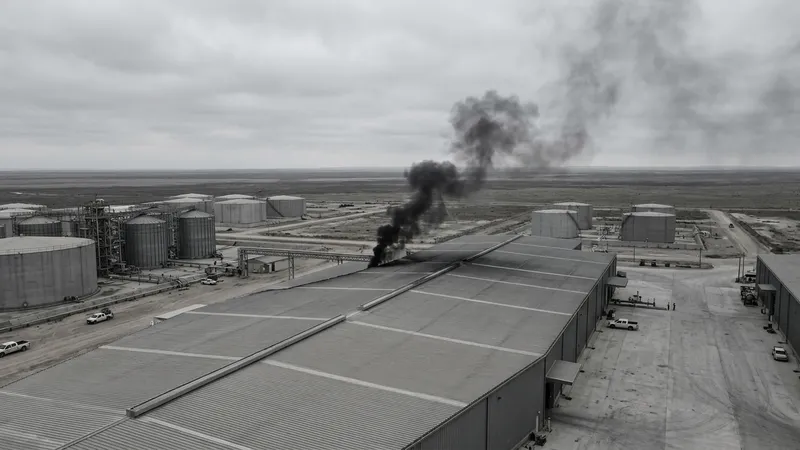
Ukraine long-range drones struck a Tyumen Region oil refinery, President Volodymyr Zelenskiy said, as Kyiv unveiled systems with 3,000-km range.
Zelenskiy said the strike reached western Siberia, describing the target as more than 2,000 kilometers from Ukraine’s border. He credited Ukraine’s special operations forces for what he called effective execution.
Russian officials offered a different account. Tyumen Region Governor Alexander Moor said air defenses repelled a drone attack on the refinery and that early information indicated no damage.
Moor also said staff were evacuated during the incident. Neither side provided independent evidence in the statements cited, and the situation on the ground remained contested based on the publicly available accounts.
Tyumen claim highlights deep-reach strike campaign
The Tyumen report fits into a months-long pattern of Ukrainian medium- and long-range attacks on infrastructure inside Russia. Kyiv has repeatedly framed these operations as aimed at weakening Moscow’s ability to finance the war.
In Zelenskiy’s nightly video address on Saturday, he said Ukrainian forces had reached Tyumen Region “including an oil refining facility.” He emphasized the distance involved, pointing to the logistical and technical demands of deep strikes.
Zelenskiy also said Ukraine has developed new long-range drones capable of operating at distances exceeding 3,000 kilometers. If fielded at scale, that range would expand the set of potential targets far beyond border regions, including energy assets and logistics hubs.
Refinery capacity and product output in focus
The Tyumen refinery is regarded as one of Russia’s more modern and technically complex facilities. Industry estimates put its nominal processing capacity at about 8 million metric tons per year.
Those estimates indicate the plant processes roughly 6 million tons of crude annually. Output is reported at around 0.5 million tons of gasoline and about 2.5 million tons of diesel, making the facility relevant to domestic fuel supply and distribution networks.
Even when attacks do not cause major physical damage, episodes involving evacuations and air-defense activity can disrupt routine operations. Markets and supply planners often monitor such incidents for indications of downtime, maintenance delays, or shifting flows of refined products.
What the statements mean for the energy war backdrop
Ukraine’s focus on oil infrastructure underscores the financial role of hydrocarbons in Russia’s war economy. Refining and export-linked flows are widely viewed as central to state revenues and to sustaining military logistics, particularly through diesel supply chains.
Russia, for its part, has frequently reported interceptions and limited damage from drone attacks, while Ukraine has highlighted distance, frequency, and operational reach. The gap between Kyiv’s claims and regional officials’ assessments in Tyumen illustrates how quickly narratives diverge during ongoing strikes.
Next steps will hinge on whether there are verified indications of operational impact at Tyumen, including any confirmed outages or repair work. Attention is also likely to remain on Ukraine’s stated 3,000-kilometer drone capability, which could shape air-defense deployments and the risk profile for energy facilities deeper inside Russia.