UK prototype missiles for Ukraine cut US components
UK prototype missiles for Ukraine were unveiled with designs excluding US components, aiming to reduce export-control constraints and speed future deliveries.
Lauren Collins ·
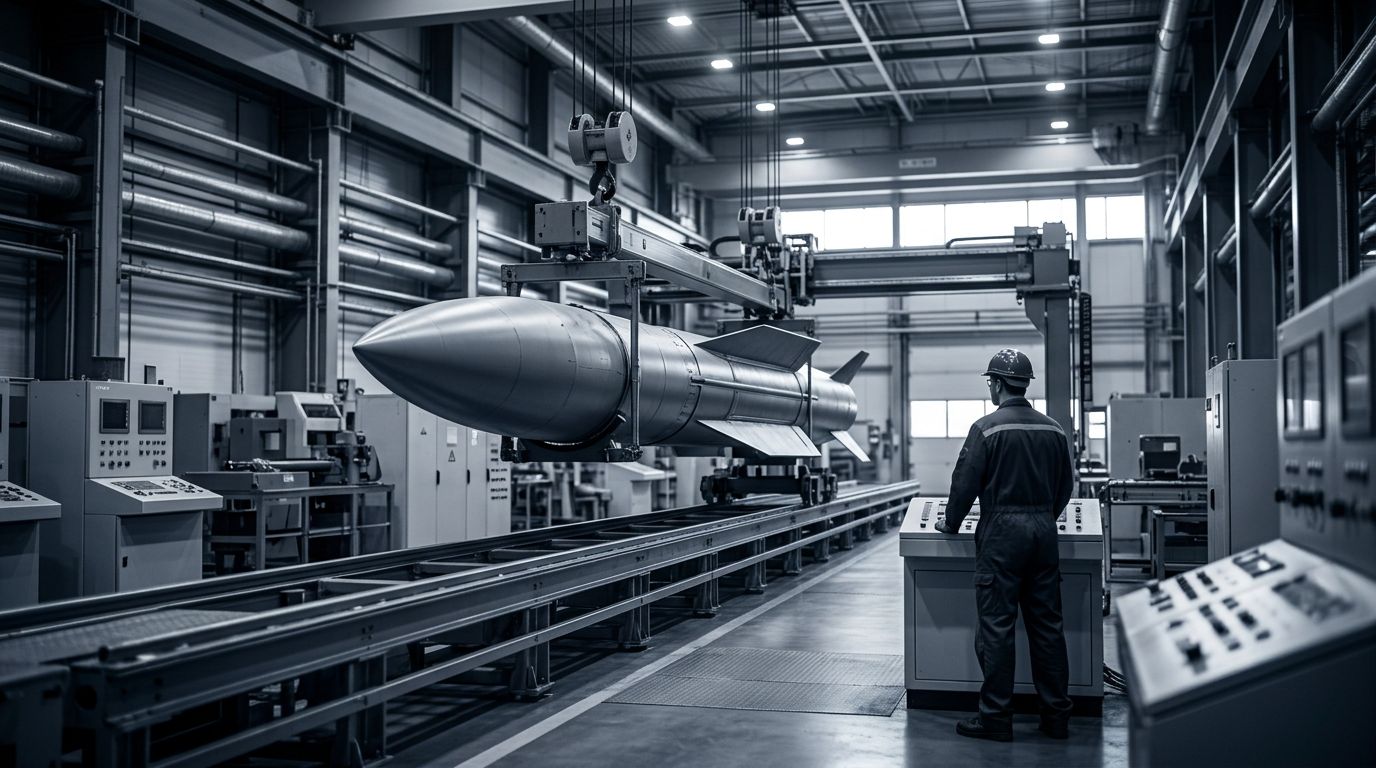
UK prototype missiles for Ukraine were presented as a new design effort that excludes US-made components, a move intended to limit exposure to American export controls.
The announcement signals an attempt to broaden supply options for Kyiv as allies look for ways to sustain weapons deliveries despite tightening stockpiles and complex cross-border licensing rules.
Design aims to sidestep export restrictions
UK officials described the missiles as prototypes and highlighted that the systems are being developed without US parts. In practice, that approach is meant to reduce the risk that deliveries could be delayed by third-country approvals tied to US-origin technology.
Western weapon systems often include components sourced across multiple countries, which can trigger separate export reviews even when the end user is agreed politically. By removing US content, the UK is signaling that future production and transfer decisions could be handled more directly under domestic and European processes.
The focus on component origin reflects a wider challenge facing Ukraine’s partners: speeding the path from factory to battlefield. Even when funding is available, supply chains and licensing can become bottlenecks, particularly for advanced missiles that rely on specialized electronics and guidance elements.
Support for Kyiv shifts toward production resilience
The UK has been one of Ukraine’s most active backers since Russia’s full-scale invasion began in February 2022, providing air defence, long-range strike capabilities, training, and ammunition. As the war grinds on, governments are increasingly emphasizing industrial capacity and repeatable supply rather than one-off transfers.
Prototype development can serve multiple purposes in that context. It can accelerate iteration, allow testing of substitute suppliers, and create a pathway to scale production if the design proves viable and funding is secured.
The unveiling also fits a broader European push to reduce dependence on any single external supplier for critical defence inputs. While the US remains the largest military supporter of Ukraine, European states have been working to strengthen their own manufacturing and procurement autonomy.
Implications for timelines and allied coordination
Because the missiles were described as prototypes, the disclosure does not by itself confirm near-term deliveries or production volumes. Moving from prototype to fielded capability typically requires testing, certification, integration with launch platforms, and contracts that lock in supply chains.
Still, the “no US components” approach has clear coordination implications. It could simplify transfer decisions among European partners and reduce uncertainty for Ukraine about whether a planned shipment might face additional approvals tied to US technology.
For Ukraine, the most immediate question is whether the prototype effort translates into deployable munitions at a pace that matches operational demand. For the UK and its partners, the next steps include demonstrating performance, confirming manufacturability at scale, and aligning financing with production schedules.
As the conflict continues, observers will watch whether component-origin strategies become a standard feature of European defence projects linked to Ukraine. Additional announcements on testing milestones, procurement commitments, or integration plans would indicate how quickly the prototypes could evolve into sustained deliveries.