Trump accepts Qatar jet for Air Force One amid scrutiny
Trump accepted a Qatar jet for use as Air Force One, prompting ethics concerns about foreign gifts, oversight, and the appearance of influence.
Lauren Collins ·
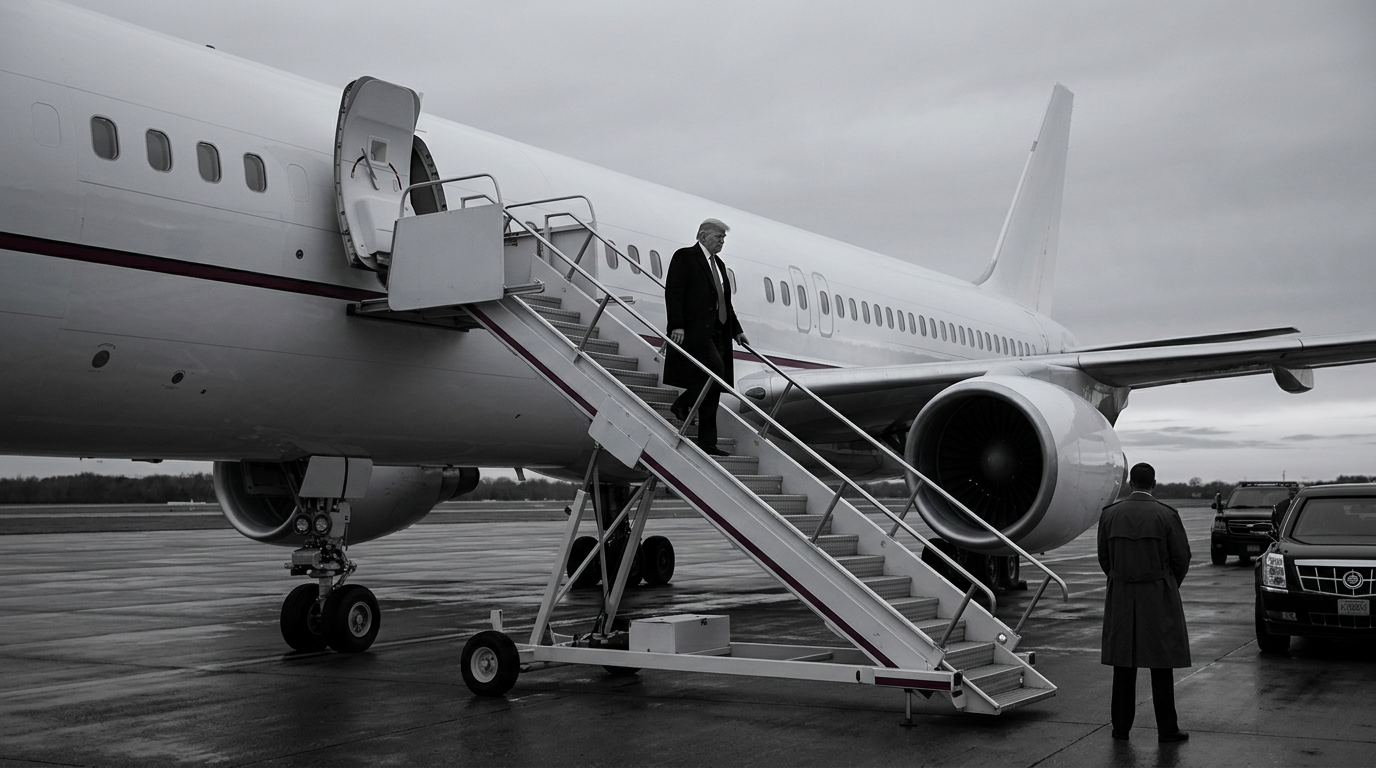
Trump’s decision to accept a Qatar jet for use as Air Force One has triggered fresh ethics questions over foreign gifts, transparency, and potential influence on US policy.
The move places a high-visibility symbol of the presidency at the center of a debate that typically plays out in legal memos and inspector-general reviews. It also puts a spotlight on how the administration intends to handle compliance, valuation, and control of an aircraft tied to a foreign government.
Acceptance of a foreign aircraft draws oversight attention
Accepting a high-value aircraft from Qatar for presidential travel raises immediate questions about whether the jet is being treated as a personal gift, a government-to-government transfer, or a temporary arrangement. Each pathway carries different legal requirements and different implications for public disclosure.
Ethics specialists often focus on two core issues in such cases: whether the president or close associates could be seen as benefiting personally, and whether the donor could be perceived as seeking favorable treatment. Even if no policy change follows, the appearance of leverage can become a political and diplomatic issue.
Security and procurement specialists also scrutinize how any aircraft used as Air Force One is vetted. The presidential airlift mission typically requires extensive communications upgrades, defensive systems, and hardened operational protocols, which can involve lengthy timelines and major costs.
Why the Air Force One label carries special risk
“Air Force One” is not a specific plane model but a call sign used when the president is aboard a US Air Force aircraft. In practice, however, the term functions as a global shorthand for US executive power, making any change in platform unusually sensitive.
Historically, presidential aircraft are acquired through tightly managed government procurement, partly to ensure security and partly to prevent conflicts of interest. A foreign-sourced plane—especially one provided by a state with significant regional and commercial ties—invites scrutiny over whether normal safeguards were followed.
Beyond the aircraft itself, the decision can shape perceptions of US alignment in the Gulf. Qatar plays an outsized role in regional diplomacy and hosts key US military interests, so symbols of closeness can carry weight even when official policy is unchanged.
Political and legal implications, and what comes next
The immediate political impact is likely to be driven by documentation: how the transfer was structured, what entity holds title, and whether Congress or relevant watchdog bodies were consulted. Public confidence often hinges less on the outcome than on the clarity of the process.
Legal disputes in similar situations typically turn on constitutional and statutory limits on accepting benefits from foreign states, along with federal ethics rules governing gifts and outside advantages. The more valuable and prominent the item, the more likely it is to become a test case for oversight and litigation threats.
Operationally, questions will also focus on readiness and cost: whether the aircraft can meet mission requirements, what modifications would be necessary, and who pays for them. Any delays or unexpected expenses could feed criticism that the decision prioritized optics over procurement discipline.
Next steps are expected to center on formal disclosures, review by relevant ethics and security offices, and potential congressional inquiries. How the administration documents safeguards—and how Qatar’s role is described—will shape whether the controversy fades or intensifies.