US-Iran talks bring Vance to Burgenstock after delays
US-Iran talks begin Sunday in Switzerland as Iran renews a Strait of Hormuz closure order and regional clashes add pressure to ceasefire negotiations.
Lauren Collins ·
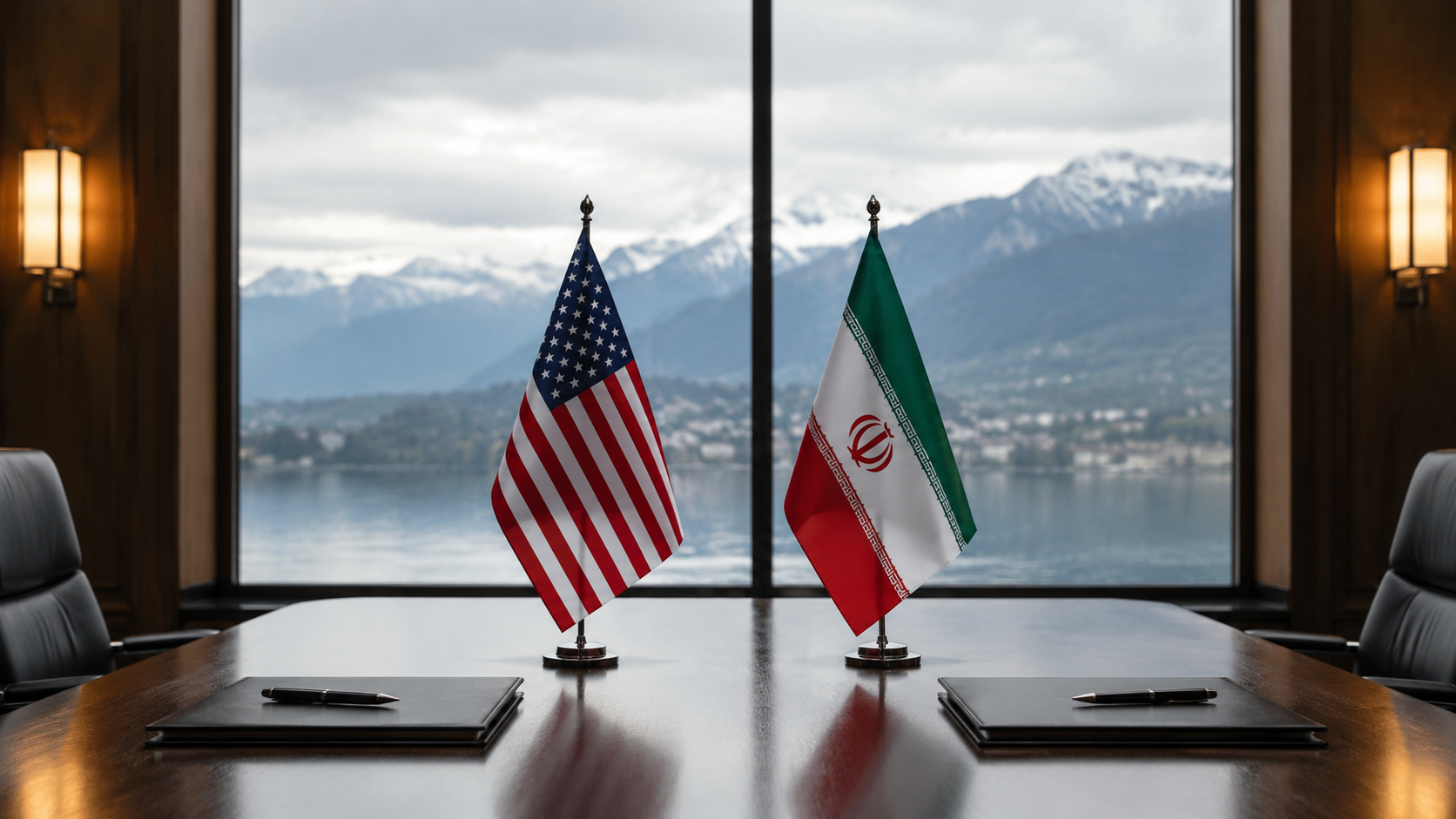
US-Iran talks are set to start Sunday in Switzerland, drawing senior officials as Tehran renewed an order tied to closing the Strait of Hormuz.
The meeting is planned for Burgenstock, where US Vice President JD Vance is expected to join discussions on converting an interim arrangement into a permanent ceasefire.
The launch comes days into a negotiated timeline framed as a 60-day window, established after the two sides reached a memorandum of understanding (MoU) signed by President Donald Trump on Wednesday during a trip to Paris.
According to the terms described by officials, the MoU includes an option to extend the negotiating period beyond the initial 60 days. That structure places early emphasis on process—sequencing, verification, and definitions—rather than immediate resolution of the hardest issues.
Ceasefire push collides with Hormuz and regional shocks
Despite the interim deal being portrayed as a step away from open hostilities, Iran’s renewed order relating to the Strait of Hormuz adds a high-stakes element to the talks.
The strait is a narrow maritime chokepoint central to global energy shipments, and threats involving it have historically been used as leverage during periods of heightened tension.
Complicating the diplomatic track, clashes in southern Lebanon between Israeli forces and Iran-backed Hezbollah fighters disrupted the schedule and contributed to a delay in starting the Switzerland meeting.
Israel is not a party to the MoU described by officials, but the Lebanon fighting has nonetheless become a factor shaping the environment around the talks. Tehran cited the clashes as evidence of a ceasefire violation, while also signaling it could exert pressure through Hormuz.
Vance attends as Pakistan joins as a key mediator
Vance left Washington on Saturday, aligning his travel with the planned opening of talks the following day. His presence elevates the talks politically and signals US interest in accelerating a durable framework during the limited negotiating window.
Pakistan is also expected to play a prominent role in Burgenstock. Islamabad said Prime Minister Shehbaz Sharif and military chief Asim Munir would attend, adding two high-level figures seen as capable of mediating across security and diplomatic channels.
The addition of both civilian and military leadership from Pakistan suggests an attempt to address not only political commitments but also the operational and security elements that often determine whether ceasefire terms hold.
Nuclear dispute remains the central, unresolved file
Officials describe the interim arrangement as only an opening move in a broader negotiation that remains dominated by Iran’s nuclear capabilities. The nuclear dispute has been a defining point of friction for years, and progress on a permanent ceasefire is expected to intersect with that dossier.
Even if the talks focus narrowly on ceasefire mechanics, the underlying nuclear issue shapes incentives and red lines on both sides. For Washington, constraints and transparency are likely to be central; for Tehran, guarantees and relief from pressure are typically core demands.
The weekend’s developments underscore how quickly external events can intrude on a diplomatic timetable. The Lebanon clashes created immediate political narratives about compliance, while the Hormuz order introduces a maritime risk that can reverberate well beyond the parties in the room.
Next steps will depend on whether negotiators can stabilize the ceasefire track while insulating it from unrelated escalations involving third parties. The key near-term test is whether the Burgenstock meeting can produce a schedule for follow-on sessions before the 60-day clock runs down, or whether an extension becomes necessary.