Iran Proposal Offers Path to De-escalate US Conflict
Tehran has submitted a new Iran proposal to restart talks with Washington, offering a revised framework to end a tense economic and military standoff.
Lauren Collins ·
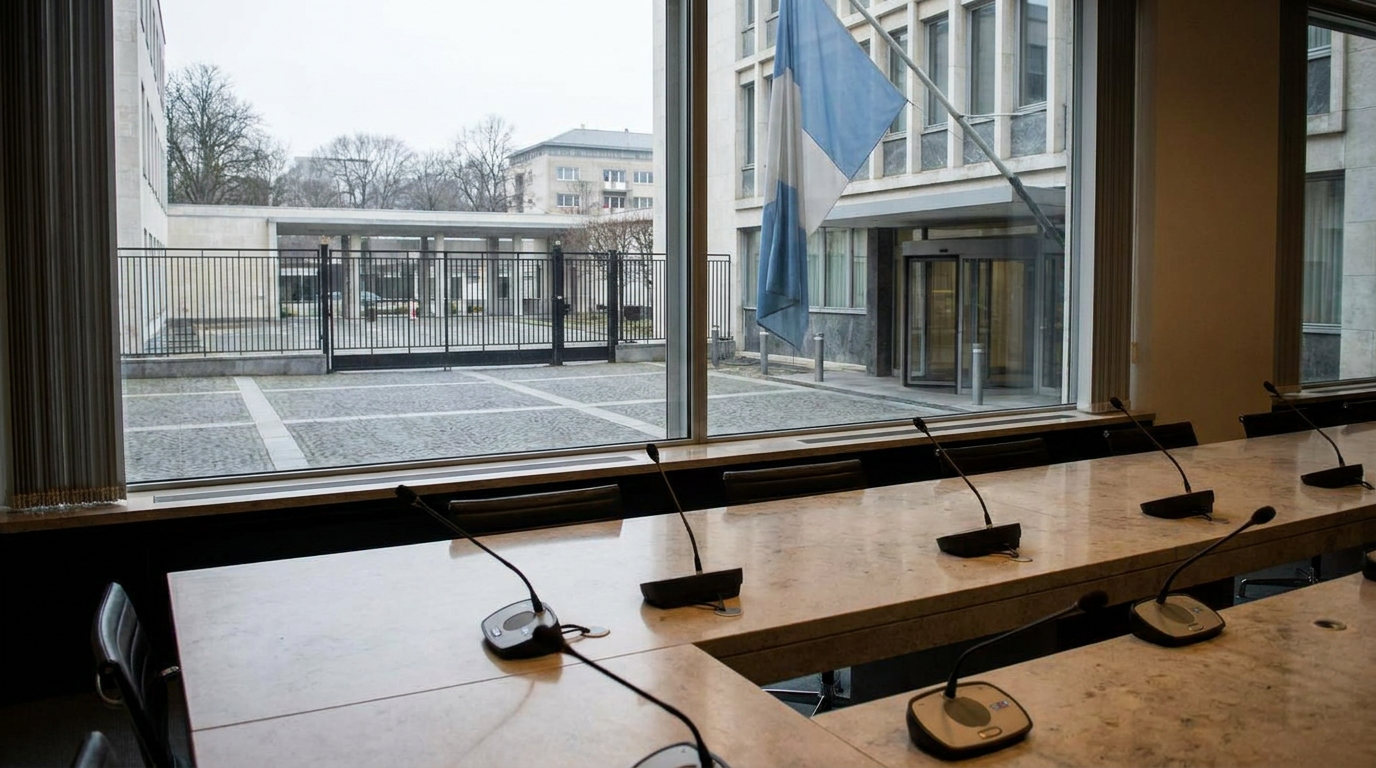
Tehran has submitted a new Iran proposal to restart talks with Washington, offering a revised framework to end a tense economic and military standoff.
The diplomatic overture comes amid escalating pressure on the Iranian economy and disruptions to global energy markets. While the move signals a potential path to de-escalation, significant differences between the two nations persist on core security issues.
US President Donald Trump acknowledged the offer on Friday but expressed skepticism. "They want to make a deal, but I’m not satisfied with it," he told reporters. "We’ll see what happens."
Economic Pressure Spurs Diplomatic Shift
The latest effort to resume dialogue follows a period of intense economic warfare. Iran has been disrupting shipping in the Strait of Hormuz, a critical channel for approximately one-fifth of the world’s oil supply, by attacking tankers and other vessels.
In response, the United States imposed a naval blockade on Iranian ports last month, severely squeezing Tehran's primary source of foreign revenue. The dual strangleholds have kept benchmark Brent crude oil futures elevated above $100 a barrel, highlighting the global economic stakes.
This economic pain appears to have prompted a tactical shift from Tehran. The new proposal modifies a key Iranian precondition, according to people familiar with the matter. Previously, Iran demanded the US lift its blockade before any discussions could begin.
Exploring a New Framework for Talks
Under the terms of the new Iran proposal, Tehran is now willing to negotiate the reopening of the Strait of Hormuz at the same time as discussions on US guarantees to end its attacks and lift the port blockade. This concurrent approach is a notable concession.
Following an agreement on maritime security and the blockade, the proposal suggests a second phase of negotiations. These talks would focus on Iran’s nuclear program in exchange for comprehensive US sanctions relief.
Mediators have been told that Iran is prepared to attend talks in Pakistan as early as next week if Washington finds the new framework acceptable. "I think it aligns everyone’s incentives," said Richard Nephew, a former US negotiator now at Columbia University, noting both sides could gain limited economic relief while deferring more contentious topics.
Nuclear Program Remains Major Obstacle
Despite the procedural shift, substantial disagreements on Iran's nuclear activities remain a major hurdle. The White House has been clear in its position. "President Trump has been clear that Iran can never possess a nuclear weapon," stated spokeswoman Anna Kelly.
The US is demanding that Iran halt its enrichment of nuclear fuel for up to two decades and surrender its existing stockpile of highly enriched uranium. Tehran has consistently rejected a suspension of that length.