Trump Says War With Iran Could Restart as Tehran Calls US Moves ‘Intolerable’
Iran & U.S. trade sharp warnings over naval pressure, with Tehran calling it an act of war & Trump signaling conflict, as regional violence intensifies.
Lauren Collins ·
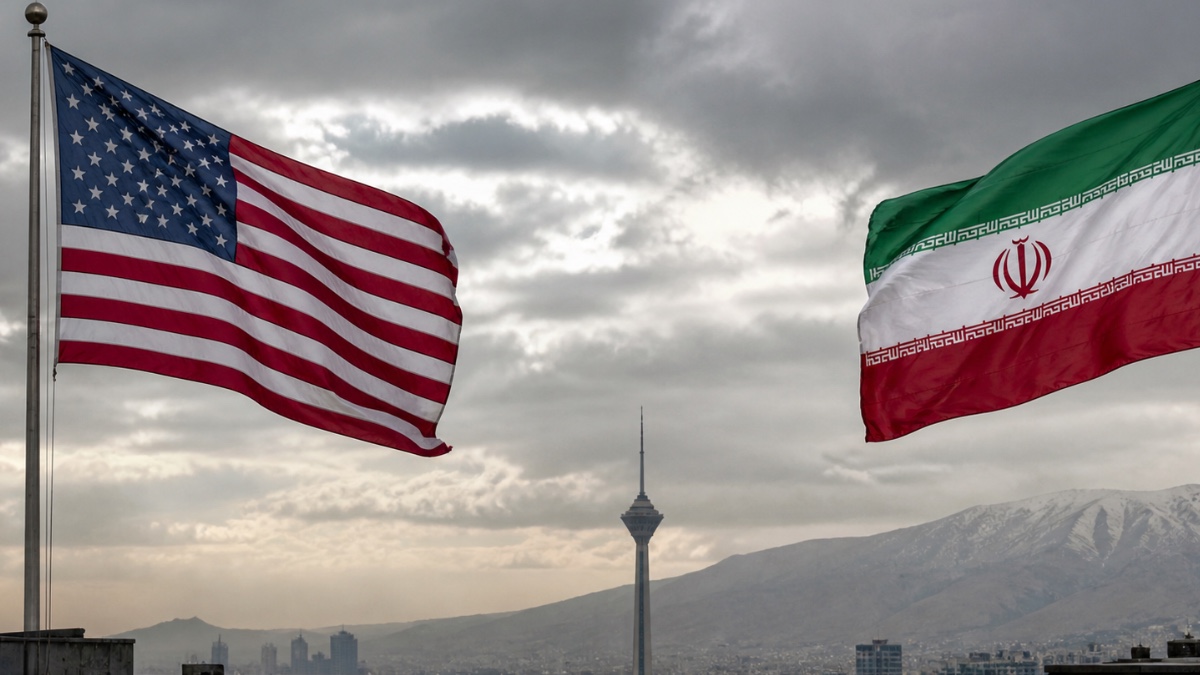
Iran’s President Masoud Pezeshkian said U.S. naval restrictions around Iranian ports amount to a continuation of military action, calling the move “intolerable.” His remarks mark one of the clearest signals yet that Tehran views Washington’s posture not as deterrence but as active escalation. The statement raises the risk that economic and maritime pressure could spill into direct confrontation.
Trump Signals Possible War Return
U.S. President Donald Trump added uncertainty by saying a renewed conflict with Iran remains an option. He said “we might need” to restart war and suggested that details of ongoing discussions are tightly held, known only to a small circle. The comments point to a lack of transparency around diplomatic channels at a moment when tensions are already elevated.
Air Defenses Activated In Tehran
Iranian media reported that air defense systems were active over Tehran, responding to what officials described as small aircraft and reconnaissance drones. The activity suggests heightened alert levels in the العاصمة, even without confirmation of a large-scale attack. Such incidents can increase the risk of miscalculation, particularly if unidentified aerial objects trigger defensive responses.
Lebanon Strikes Kill Over 30
Violence also intensified beyond Iran’s borders, with Israeli strikes in southern Lebanon killing more than 30 people in a single day, according to the country’s National News Agency. The attacks further strain a U.S.-backed ceasefire arrangement between Israel and the Lebanese government. The rising death toll signals that regional containment efforts are weakening.
Flotilla Detentions Draw Scrutiny
Israel said it would transfer 175 activists detained from the Gaza-bound Global Sumud Flotilla to Greek authorities. The group was intercepted in international waters more than 1,000 kilometers from Gaza, prompting international criticism. The episode adds another layer of diplomatic tension tied to the broader conflict.
Regional Pressure Builds Across Fronts
The convergence of maritime pressure on Iran, aerial defense activity in Tehran, and intensified strikes in Lebanon reflects a widening conflict environment. Multiple theaters are now active, stretching from the Persian Gulf to the eastern Mediterranean. That spread complicates any single diplomatic track and increases the likelihood of overlapping crises.
Despite limited insight into U.S.-Iran talks, the current trajectory points toward instability rather than resolution. Military signaling, unclear negotiation channels, and active conflict zones create conditions where small incidents could escalate quickly. Whether diplomacy can catch up to events on the ground remains uncertain.