Beijing’s New Trade Rules Complicate Western ‘De-Risking’ Strategy
China's new rules penalize companies shifting supply chains, challenging U.S. de-risking efforts. Washington remains publicly silent on the sweeping changes.
Lauren Collins ·
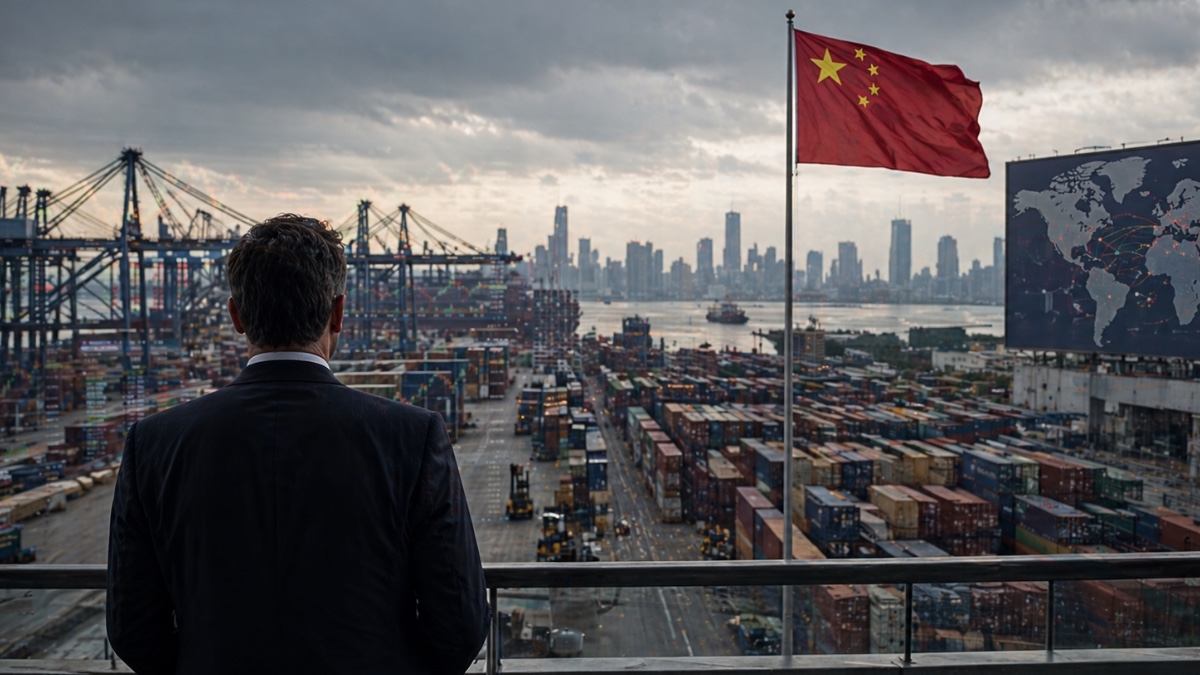
Beijing has rolled out regulations that allow authorities to investigate and punish foreign companies that reduce business ties with China, a move that directly challenges U.S. efforts to shift supply chains elsewhere. The measures come just weeks before a planned meeting between President Donald Trump and Chinese leader Xi Jinping. They create a legal basis for action against firms that suspend or limit normal commercial activity with Chinese entities. For multinational companies, the rules introduce a new layer of uncertainty around sourcing decisions.
Timing tied to mid-May summit The announcement’s proximity to the Trump-Xi talks suggests a calculated test of Washington’s appetite for confrontation. U.S. officials have so far avoided direct public criticism, a departure from the sharper rhetoric that defined earlier phases of the trade dispute. One official indicated the move may be probing whether the White House prioritizes maintaining a fragile détente over escalation. That restraint stands out given prior threats of tariffs and export bans during earlier negotiations.
From trade war to managed tension The latest step follows a period of volatile trade relations that began with sweeping U.S. tariffs and retaliatory Chinese measures. A temporary truce reached in Busan last year eased tensions but did not resolve structural disagreements over technology, resources, and market access. China’s new framework builds on earlier efforts to control critical exports and strengthen domestic supply chains. It signals a shift from reactive measures to more systemic economic leverage.
Pharma and manufacturing in focus Industries that have been actively diversifying production—such as pharmaceuticals—are particularly exposed. Companies moving sourcing to countries like India could face investigations or restrictions under the new rules. Potential penalties include limits on imports, exports, and investment, as well as travel restrictions for staff. A separate regulation also targets firms that comply with foreign sanctions, raising the stakes for companies caught between U.S. and Chinese legal demands.
Business groups warn of leverage shift Industry organizations say the measures tilt the balance of power toward Beijing by giving authorities broad discretion without specifying enforcement sectors. The American Chamber of Commerce in China has cautioned that companies could face scrutiny simply for reducing reliance on Chinese suppliers. Analysts argue the rules could discourage diversification efforts by increasing the cost of exiting. That dynamic risks locking firms more tightly into China’s industrial ecosystem.
Global supply chains face new friction At a macro level, the policy complicates a central goal of Western governments: reducing dependence on a single manufacturing hub. If widely enforced, the rules could slow the reconfiguration of global trade flows already underway since the pandemic and earlier tariff battles. Countries positioning themselves as alternative production centers may see slower inflows of investment. The result could be a more fragmented and politically constrained supply chain landscape.
Uncertainty over enforcement and response What remains unclear is how aggressively China will apply the rules and whether Washington will respond after the summit. Some analysts warn that inaction could normalize the use of economic pressure to shape corporate behavior. Others note the U.S. may avoid escalation to preserve short-term stability in bilateral relations. For companies, the immediate challenge is navigating two competing policy regimes with limited visibility into how far either side is willing to go.