Venezuelan Economy Woes Dent Rodríguez's Approval Rate
Public support for Venezuelan interim President Delcy Rodríguez is eroding amid continued economic pessimism, just months after Nicolás Maduro’s capture.
Lauren Collins ·
Support for Interim Government Wanes
Public support for Venezuelan interim President Delcy Rodríguez is eroding amid continued economic pessimism, just months after Nicolás Maduro’s capture. A new survey reveals a notable decline in her approval ratings as the population's patience with the slow pace of economic change appears to be wearing thin.
An April poll conducted by AtlasIntel for Bloomberg News pegs Rodríguez's approval at 31%, a four-point decrease from 35% in March. Concurrently, her disapproval rating climbed to 47% from 45% over the same period, highlighting a negative trend for the transitional government.
These figures emerge in the context of high expectations that followed the detention of former leader Nicolás Maduro in January. The shift in public sentiment suggests the initial optimism is giving way to frustration over persistent economic difficulties.
Overwhelming Economic Pessimism
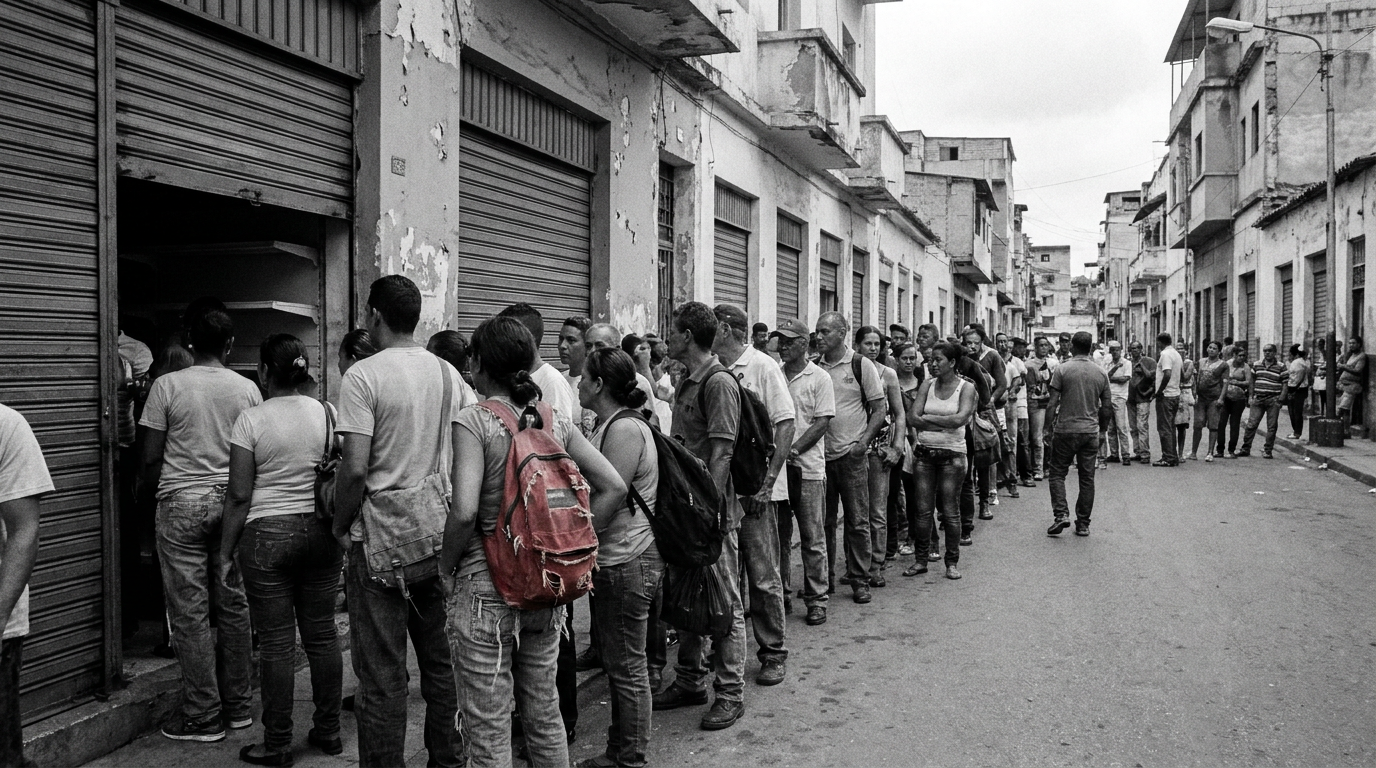
The slip in the Delcy Rodríguez approval rating is directly linked to a deeply negative perception of the nation's economy. The vast majority of Venezuelans report that they have yet to experience any tangible improvement in their financial situations.
The AtlasIntel data underscores this reality, with an overwhelming 77% of respondents describing the state of the national economy as bad. This corresponds with a similarly bleak view of employment prospects, as 76% of those polled rated the labor market negatively.
This widespread economic discontent forms the primary challenge for the interim administration. The government faces mounting pressure to translate its policy initiatives into concrete benefits for ordinary citizens grappling with daily hardship.
Disconnect Between Policy and Public Reality
A significant gap has emerged between the interim government's strategic efforts to rebuild the economy and the day-to-day experience of the Venezuelan people. While the administration actively pursues international partnerships, the results have not yet filtered down to the general populace.
In the months since Maduro’s ouster, Rodríguez's government has focused on attracting foreign capital. It has signed new deals with international energy companies and advanced legal reforms designed to make the country a more appealing destination for investment.
However, the persistence of negative economic sentiment indicates these high-level maneuvers have so far failed to alter perceptions on the ground. The latest polling suggests the government's window to demonstrate its effectiveness and deliver a noticeable recovery may be narrowing, posing a potential challenge to its long-term stability.