US Considers Deploying Dark Eagle Hypersonic Missile to Middle East
US may deploy Dark Eagle hypersonic missile to Middle East as Iran moves launch systems out of reach of American weapons.
Lauren Collins ·
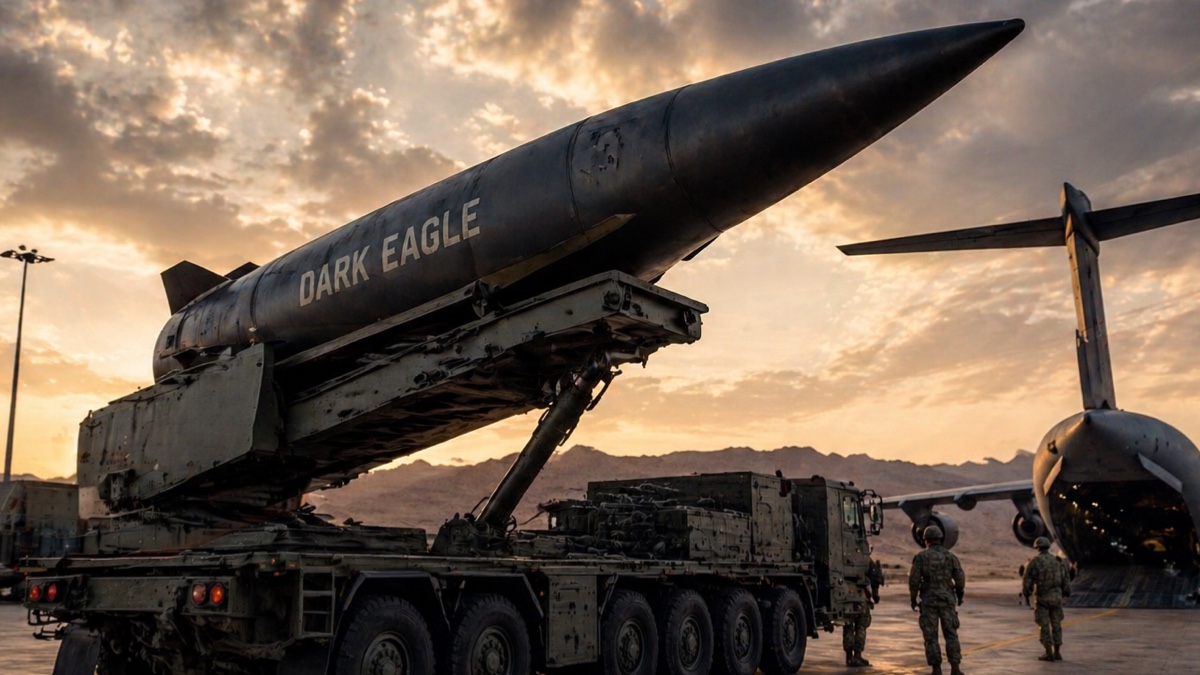
US Central Command has asked for the Army’s long-delayed Dark Eagle hypersonic missile to be sent to the Middle East, aiming to strike Iranian ballistic missile launchers positioned deeper داخل the country. The request reflects a need for greater range than current systems can provide. If approved, it would mark the first time the US deploys a hypersonic weapon in an operational setting. No final decision has been made, and the Pentagon has declined to comment.
Range gap drives urgency now The push comes after Iran reportedly repositioned its missile launchers beyond the reach of the Precision Strike Missile, which can hit targets over 300 miles away. That shift has limited the effectiveness of existing US strike options. Military planners are now seeking a system capable of reaching targets at much greater distances without relying on vulnerable aircraft. The timing suggests the battlefield geometry has changed faster than US capabilities have adapted.
Program lag behind rivals Dark Eagle, also known as the Long-Range Hypersonic Weapon, has faced years of delays and is still not fully operational. Meanwhile, both Russia and China have already fielded hypersonic systems. The US effort was originally designed for high-end conflict against those adversaries, particularly to penetrate advanced air defenses. Its potential use in Iran would represent a pivot from strategic deterrence to active combat deployment.
$15 million missiles, limited supply Each Dark Eagle missile is estimated to cost about $15 million, with fewer than a dozen currently available. A full battery is expected to cost roughly $2.7 billion, according to government estimates. The weapon can travel at speeds exceeding Mach 5 and maneuver during flight, making it difficult to intercept. Its reported range of more than 1,700 miles would allow strikes deep داخل Iranian territory from safer distances.
Strain on existing strike arsenal The US has already leaned heavily on other long-range weapons in the conflict, including the JASSM-ER cruise missile. Around 1,100 of those have been used, depleting stockpiles originally intended for potential conflicts with near-peer adversaries. While US forces maintain localized air superiority, losses of drones and crewed aircraft highlight persistent risks in contested مناطق of Iranian airspace. A hypersonic option could reduce reliance on aircraft in high-threat zones.
Signal to Beijing and Moscow Deploying Dark Eagle would carry implications beyond the Middle East. It would demonstrate that the US is closing a capability gap with China and Russia, both of which have emphasized hypersonic weapons in their military strategies. The move could reshape perceptions of US technological readiness in high-speed strike systems. At the same time, it risks accelerating an already active global arms competition in this المجال.
Ceasefire masks fragile balance The request comes during a ceasefire that began on April 9, but military preparations on both sides continue. Analysts warn that any renewed fighting could escalate quickly, with more lethal exchanges likely. The introduction of a still-maturing weapons system also carries uncertainty, including reliability and limited inventory. Whether the US proceeds will depend on both battlefield needs and broader strategic calculations in the weeks ahead.