Spain's Housing Shortage Fuels Social Unrest, Political Instability
A severe structural housing shortage, rather than institutional speculation, is driving record rental inflation and political instability in Spain, with the…
Lauren Collins ·
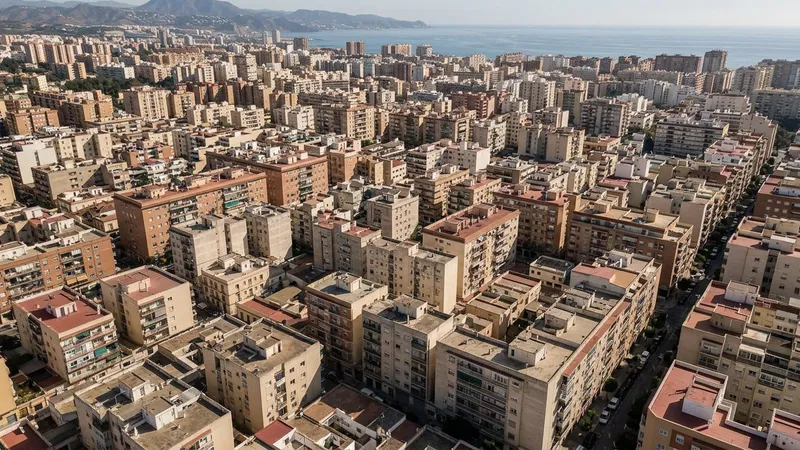
Spain faces escalating social unrest as housing affordability deteriorates, marked by an 84% average increase in rental costs over the past decade. Rental prices in major cities like Málaga and Marbella surged by 113% and 150% respectively, driving public calls for stricter regulations on institutional investors and short-term rental platforms.
Supply-Demand Imbalance Drives Crisis
Despite public perception that attributes the crisis to speculative activity by investment funds, central bank data indicates corporate entities own only 8% of rental properties. Economic analysis points to a structural supply-demand imbalance as the primary factor, with an estimated housing shortfall of 750,000 homes projected to reach one million by 2028.
This deficit is compounded by the formation of 1.2 million new households between 2021 and 2025, which significantly outpaces new construction.
Political Fallout After Legislation Fails
Political volatility has intensified following the rejection of emergency housing legislation in Congress. This legislative setback prompted snap elections. The ongoing inability to address supply-side constraints, exacerbated by rising construction costs and regulatory gridlock, poses a persistent risk to domestic political stability and long-term economic growth.
Economic Repercussions and Future Challenges
The unresolved housing crisis threatens Spain's economic outlook, impacting household budgets and potentially dampening consumer spending. Continued pressure on housing affordability could slow economic expansion. The central bank's projections underscore the growing severity of the issue, indicating that without significant intervention, the housing deficit will worsen, creating further challenges for the economy.
Impact on Social Cohesion
Persistent housing affordability challenges contribute to social fragmentation and public discontent. Protests and demands for regulatory action highlight the strain on citizens, particularly younger generations and low-income households. The situation suggests a continued risk of social friction and demands for policy shifts, potentially influencing future electoral outcomes.
As Spain approaches snap elections, the housing crisis remains a central issue. The outcome of the elections and subsequent policy decisions will determine the government's approach to addressing the structural housing deficit and its broader economic and social repercussions.