Poland-Ukraine dispute deepens after honor is revoked
Poland-Ukraine tensions rose after a revoked honor, prompting PM Donald Tusk to warn of significant business, geopolitical, and reputational consequences.
Claire Dubois ·
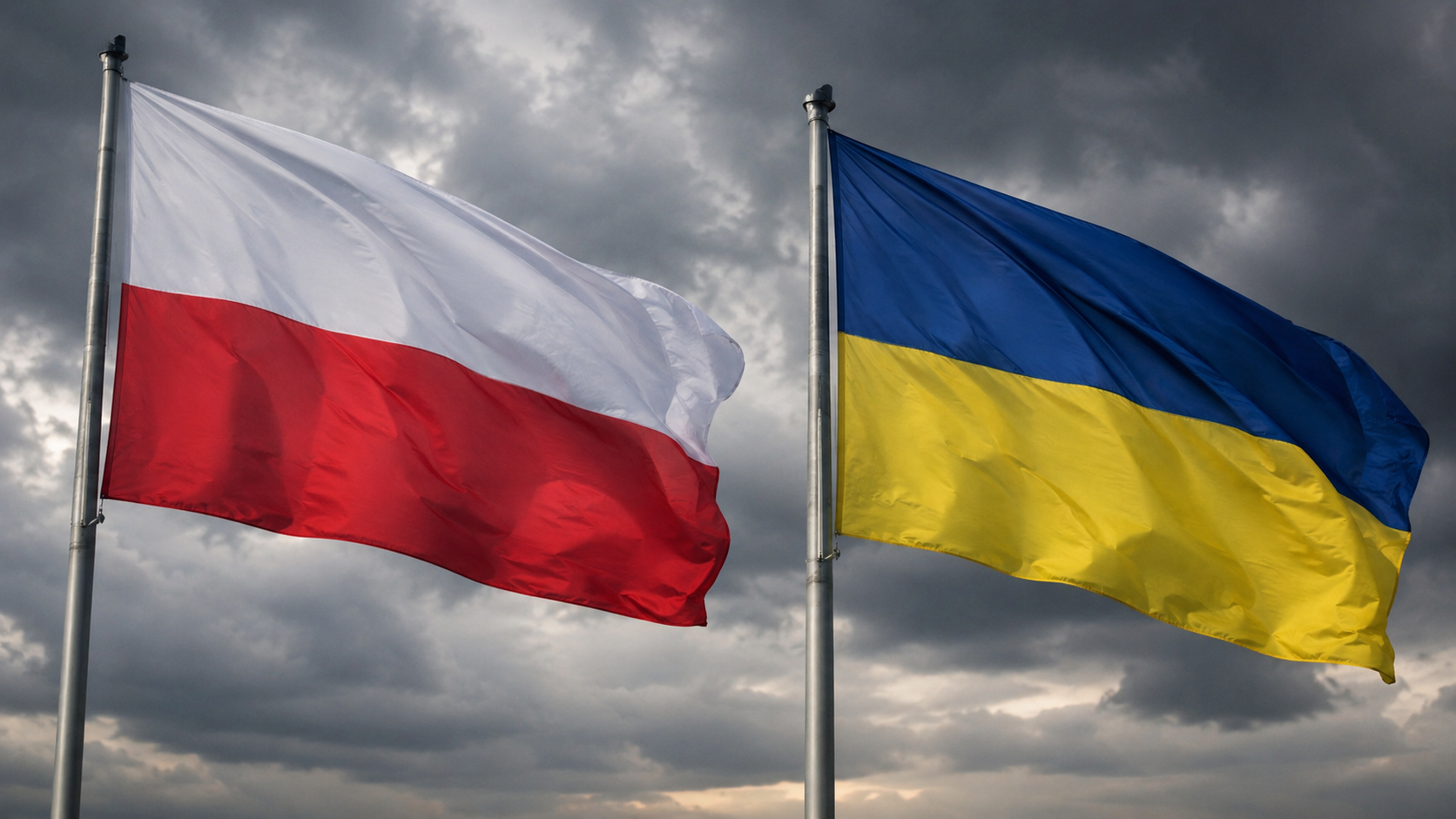
The Poland-Ukraine dispute over how to remember contested World War II-era fighters intensified this weekend, drawing a public warning from Prime Minister Donald Tusk about damage to bilateral ties.
Tusk argued that allowing political leaders to become consumed by the quarrel would hurt both countries across trade, diplomacy and public standing. He said efforts to lower tensions were proving difficult as emotions rise around wartime commemoration.
Honor revocation triggers a new diplomatic flashpoint
The latest escalation followed a decision by Polish President Karol Nawrocki to withdraw Poland’s highest state honor from Ukrainian President Volodymyr Zelenskyy. Zelenskyy then sent the decoration back to Warsaw, turning a symbolic gesture into a fresh point of contention.
The move came amid an already heated political debate in Poland and Ukraine over memorial practices linked to World War II figures. The disagreement centers on fighters viewed by some as national heroes and by others as responsible for atrocities, a fault line that has repeatedly strained relations in the region.
Tusk, writing on X on Sunday, warned against what he described as being pulled into a political confrontation between leaders on both sides. He said the dispute was becoming a “strategic mistake” that would carry real-world consequences beyond the historical arguments themselves.
Tusk frames the row as a costly strategic misstep
In his post, Tusk said the priority should be limiting losses and reducing tension, even as he acknowledged the challenge of doing so. He cautioned that the fallout would be felt in business relations, geopolitical coordination and international reputation.
While Tusk did not outline specific economic measures or diplomatic actions, his language suggested concern that a symbolic clash could spill into practical cooperation. Poland has been a critical partner for Ukraine since Russia’s full-scale invasion, making public discord particularly sensitive.
Tusk also used a pointed political maxim to underline his warning, writing that in politics a mistake can be worse than a crime. The message appeared aimed at both domestic audiences and Ukrainian counterparts, signaling that Warsaw’s governing leadership sees restraint as strategically necessary.
Historical memory disputes test wartime alliances
Conflicts over historical remembrance have long complicated relations between neighboring states in Central and Eastern Europe. They often resurface around anniversaries, monuments, exhumations, and state ceremonies, especially when political leaders use them to mobilize support at home.
In this case, the dispute involves commemoration of controversial World War II fighters, a subject that touches core national narratives in both countries. Such debates can quickly become zero-sum, because honoring one side’s symbols may be perceived as ignoring or minimizing the other side’s suffering.
Tusk’s intervention suggests Poland’s government is weighing how symbolic actions might affect broader cooperation with Kyiv, particularly at a time when Ukraine relies heavily on partners for security and logistics. For Poland, maintaining strong coordination with Ukraine also carries implications for regional security, EU policy discussions and managing public sentiment toward the war.
Next steps will likely depend on whether leaders choose to cool rhetoric and refocus on shared priorities, or continue escalating symbolic measures. Observers will watch for signals from Warsaw and Kyiv on whether the honor dispute is treated as an isolated incident or becomes part of a wider diplomatic rift.