

Generational Shift in Democratic Caucus Signals Pivot Toward Domestic-First Foreign Policy
A generational shift in the Democratic caucus is moving the party toward a domestic-first foreign policy that favors pragmatic economic engagement with China…
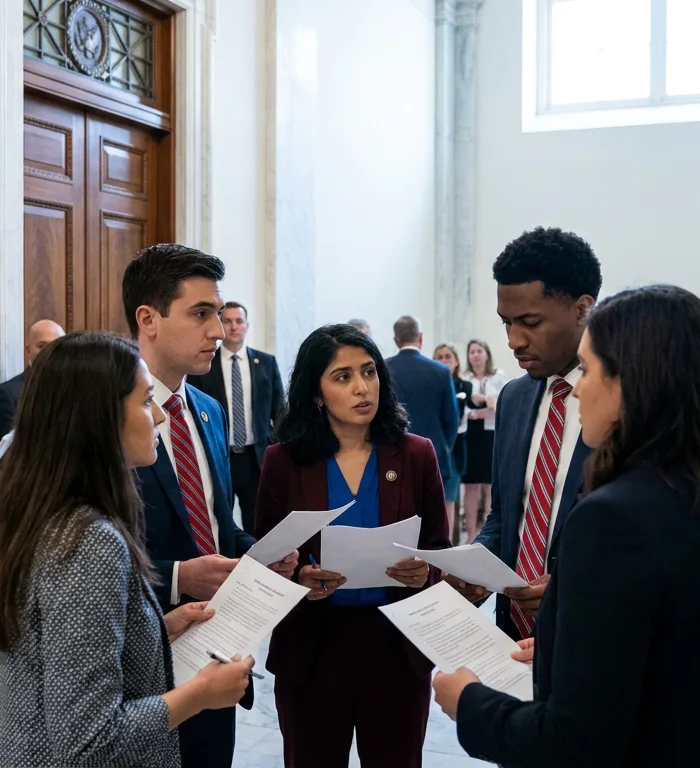
The 2026 midterm election results indicate a significant realignment within the Democratic Party, driven by a younger cohort of lawmakers replacing traditional Cold War-era internationalism. This shift prioritizes domestic economic stability and resource allocation over the established foreign policy framework of great-power containment and sustained increases in defense spending.
Incoming caucus members are increasingly skeptical of expansive military commitments, shaped by the political legacies of the conflicts in Iraq and Afghanistan. Current policy priorities for this group include addressing humanitarian crises, limiting regional escalations in the Middle East, and seeking diplomatic resolutions to the conflict in Ukraine to facilitate the redirection of federal resources toward domestic initiatives.
This generational transition carries specific implications for U.S.-China relations. Unlike the previous establishment, which prioritized total economic decoupling, younger lawmakers representing industrial districts are demonstrating a preference for pragmatic economic engagement. This approach distinguishes between strategic security risks and foreign capital investment in domestic sectors such as clean energy, battery manufacturing, and supply chain infrastructure.
For institutional stakeholders, this shift suggests a potential move away from broad-based protectionism toward a more selective, industry-specific economic policy. Policymakers should anticipate increased scrutiny of defense budget allocations and a greater emphasis on leveraging foreign investment to support domestic job creation.
Future legislative agendas will likely reflect this tension between traditional security concerns and the demand for domestic-first realism. Observers should monitor how this cohort influences committee assignments and trade policy, as their pragmatic view of Chinese capital could lead to friction with existing national security frameworks. The long-term impact on bipartisan consensus regarding foreign policy remains a critical variable for institutional risk assessment.
More stories
- FCC approves prison cellphone jamming despite 2.5-mile warning
- Congress tests Black Democrats' growing policy influence
- Cotton faults Lutnick over AI chips allegedly sent to China
- Vance declines to back Iran strikes as Trump defends war
- Paul seeks 20%-30% federal credit for U.S. film shoots
- Trump targets data centers abroad with tax threat to firms
- 2026 midterms squeeze GOP margins across deep red states
- Democrats win Congress as household costs test new power
- Americans Still Don’t Trust Major Institutions — and Big Tech Just Hit Bottom
- Gates Foundation loses Buffett gifts in $6B family shift
Latest news
- Trump prepares tariffs on China and other major exporters
- New-car buyers pay record average $50,087 in October
- Banks face ECB reserve debate over liquidity and profits
- Investors see Anthropic debut gains fade below $83 a share
- Iraq orders federal control over Kurdish-area oilfields
- Germans oppose Ukraine aid as poll shows support slipping
- Kim Jong-un receives 10 envoys after constitutional shift
- Ukraine claims Libya strike sinks Russian naval corvette