

Congressional Democrats Prepare Legislative Challenges to Executive Foreign Policy and Business Ties
Democratic majorities in Congress plan to leverage legislative oversight to restrict funding for the Iran conflict and investigate the President’s business…
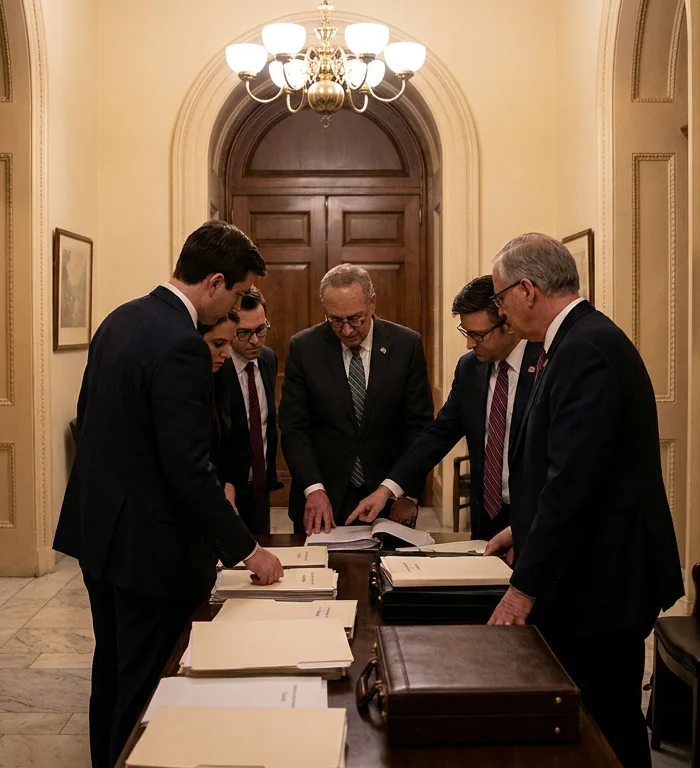
Following the 2026 midterm elections, the Democratic Party has secured majorities in both the House of Representatives and the Senate. This shift in legislative control provides the party with the authority to initiate oversight mechanisms regarding the administration’s ongoing military engagement in Iran and potential conflicts of interest involving the President’s family business holdings in the Gulf region.
Legislative leaders are currently evaluating strategies to restrict funding for the Iran conflict, which commenced on February 28 without formal congressional authorization. The administration’s reliance on executive authority for this military campaign faces immediate scrutiny under the War Powers Resolution of 1973. This statute mandates the withdrawal of combat forces if Congress does not provide explicit authorization within 60 days of the initiation of hostilities.
Beyond military oversight, the incoming congressional majority intends to launch investigations into the intersection of executive foreign policy and the President’s private business interests. These inquiries are expected to focus on financial relationships within Gulf nations, potentially creating significant political and legal friction between the legislative and executive branches.
Democratic Party
The electoral results, which saw the Democratic Party flip seven Senate seats and dozens of House seats, are being interpreted by political analysts as a public mandate against the current administration’s foreign policy trajectory. Internal administration assessments have acknowledged that the economic impact of the conflict, specifically regarding energy costs, contributed to the electoral outcome.
As the new Congress prepares to convene in January, the administration faces a narrowed window to secure legislative support for its military objectives. The combination of budgetary constraints and formal investigations into executive conduct suggests a period of heightened institutional volatility. Policymakers should monitor upcoming committee assignments and the introduction of appropriations bills, as these will serve as the primary indicators of the legislative strategy to curtail executive war powers.
More stories
- FCC approves prison cellphone jamming despite 2.5-mile warning
- Congress tests Black Democrats' growing policy influence
- Cotton faults Lutnick over AI chips allegedly sent to China
- Vance declines to back Iran strikes as Trump defends war
- Paul seeks 20%-30% federal credit for U.S. film shoots
- Trump targets data centers abroad with tax threat to firms
- Democrats hold Michigan Senate seat with El-Sayed victory
- Democrats face limits on gains as midterm voting arrives
- EU faces stagflation threat from new Mideast energy shock
- Airport chaos grows as DHS shutdown stalemate Looms
Latest news
- Trump prepares tariffs on China and other major exporters
- New-car buyers pay record average $50,087 in October
- Banks face ECB reserve debate over liquidity and profits
- Investors see Anthropic debut gains fade below $83 a share
- Iraq orders federal control over Kurdish-area oilfields
- Germans oppose Ukraine aid as poll shows support slipping
- Kim Jong-un receives 10 envoys after constitutional shift
- Ukraine claims Libya strike sinks Russian naval corvette