Airport Chaos Grows as DHS Shutdown Stalemate Looms
DHS shutdown disruptions spread at major US airports as TSA absences rise; the White House plans early pay for screeners as talks stall.
Cuneyd Erdogan ·
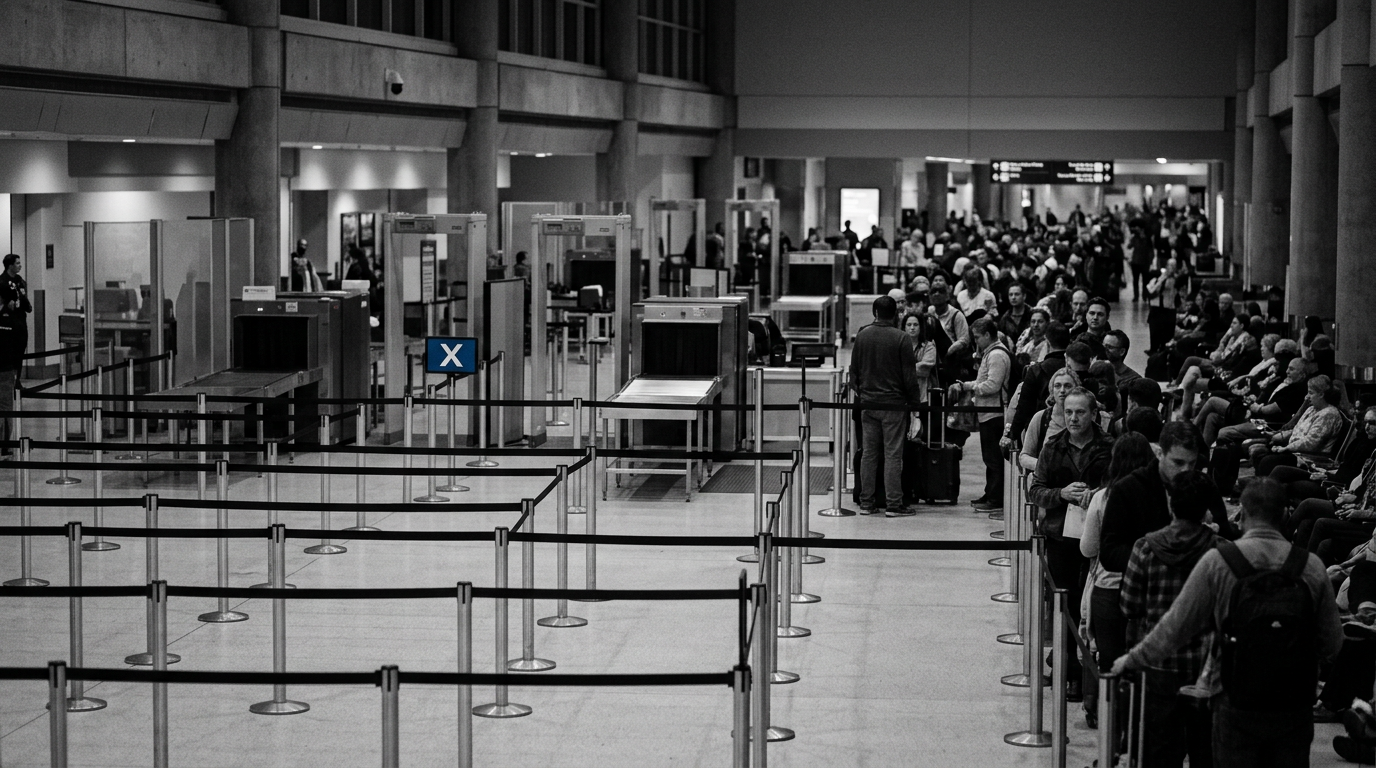
Security screening delays widened at major US airports as a partial federal shutdown continued to squeeze the Department of Homeland Security (DHS). Travelers reported long waits at checkpoints, while airport operations faced added pressure from staffing gaps at the Transportation Security Administration (TSA).
The immediate strain has been linked to TSA officers working without pay and a rise in unscheduled absences. Reports from large travel hubs described lines extending for hours, with the situation worsening ahead of a busy weekend.
What changed at airports
The increase in unplanned TSA absences reached a high point on Thursday, intensifying delays and complicating passenger flows. With fewer screeners available, checkpoints became a bottleneck, creating knock-on effects for flight schedules and terminal congestion.
In response to the financial pressure on federal workers, the Trump administration said it would take steps intended to get TSA employees paid as early as Monday. The plan is framed as near-term relief for screeners, but it does not end the funding lapse affecting DHS.
Washington funding standoff
The operational disruption is tied to a budget impasse over DHS funding. House Republicans, led by Speaker Mike Johnson, put forward their own bill to fully fund the department after Johnson rejected a bipartisan Senate-passed measure.
Democratic leaders indicated the House proposal would not move forward, calling it unacceptable. They have argued that any longer-term DHS funding deal should be linked to broader immigration policy changes, leaving negotiations stuck.
Why it matters now
DHS oversees functions that extend beyond airport screening, including border protection, cybersecurity, and emergency management. With the shutdown continuing, the department’s wider security and law-enforcement responsibilities are operating under strain, even as some personnel remain on the job.
For travelers, the most visible impact is at checkpoints, where staffing shortfalls can quickly translate into multi-hour waits. For federal employees, the uncertainty is both financial and operational, as the timing and terms of a funding resolution remain unclear.
Market and global context
Extended airport delays can affect airlines, airports, and travel-related businesses by disrupting passenger throughput and increasing operational complexity. While the source material does not quantify flight impacts, the reported screening bottlenecks highlight how political budget disputes can spill into day-to-day commerce.
Internationally, disruptions at major US hubs can ripple into global itineraries, especially for connecting passengers and time-sensitive travel. The DHS funding dispute also draws attention from partners and markets focused on US border management and cybersecurity continuity.
Risks and unknowns
The administration’s paycheck plan may ease immediate hardship for TSA staff, but the underlying DHS funding gap remains unresolved. It is also uncertain how quickly staffing levels normalize, since absences and morale can lag even after pay issues are addressed.
With Democrats and House Republicans holding opposing conditions for a long-term agreement, the timeline for reopening affected DHS operations is not defined in the available information. Until a deal is reached, travelers and DHS personnel face continued uncertainty.